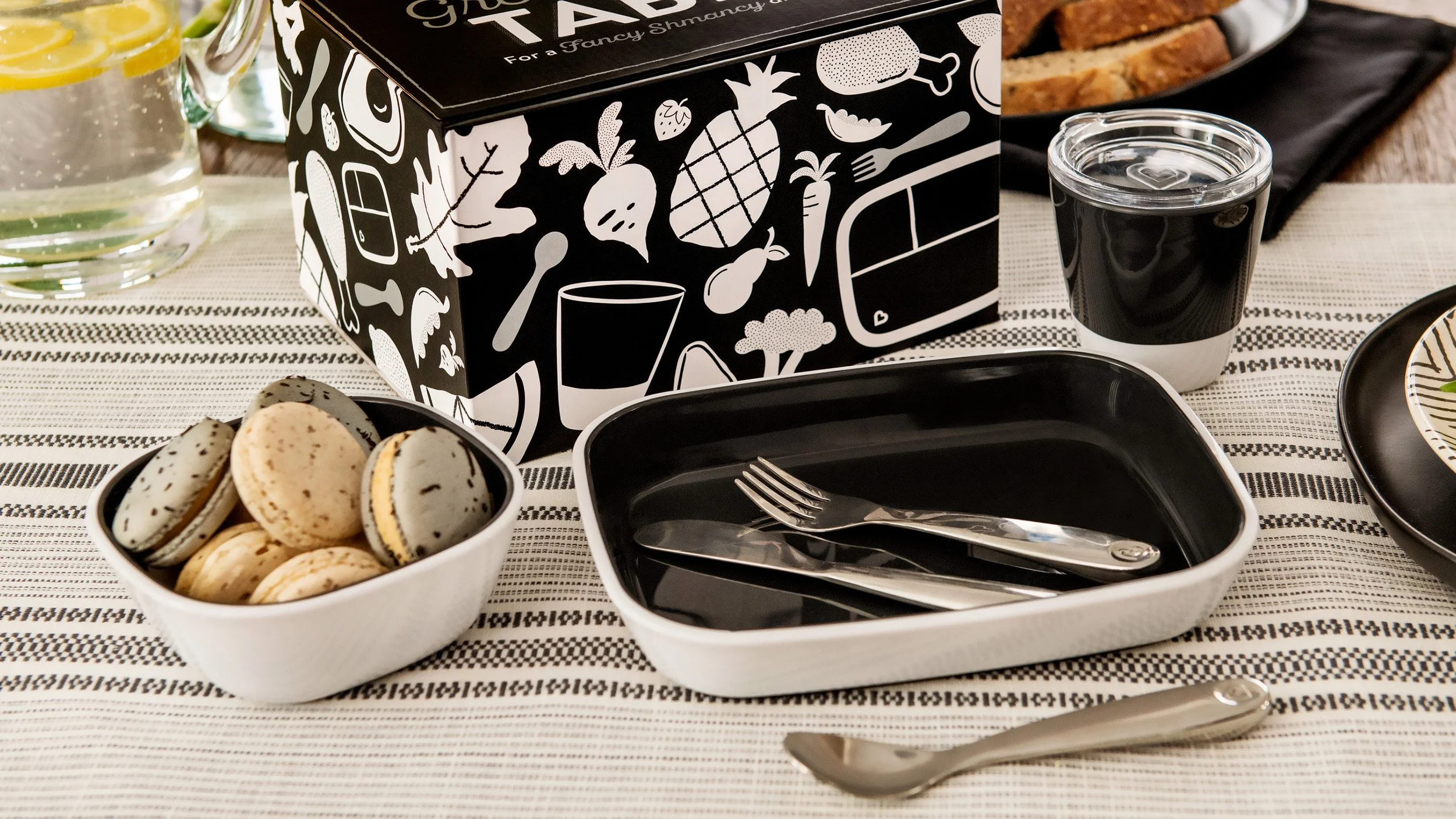
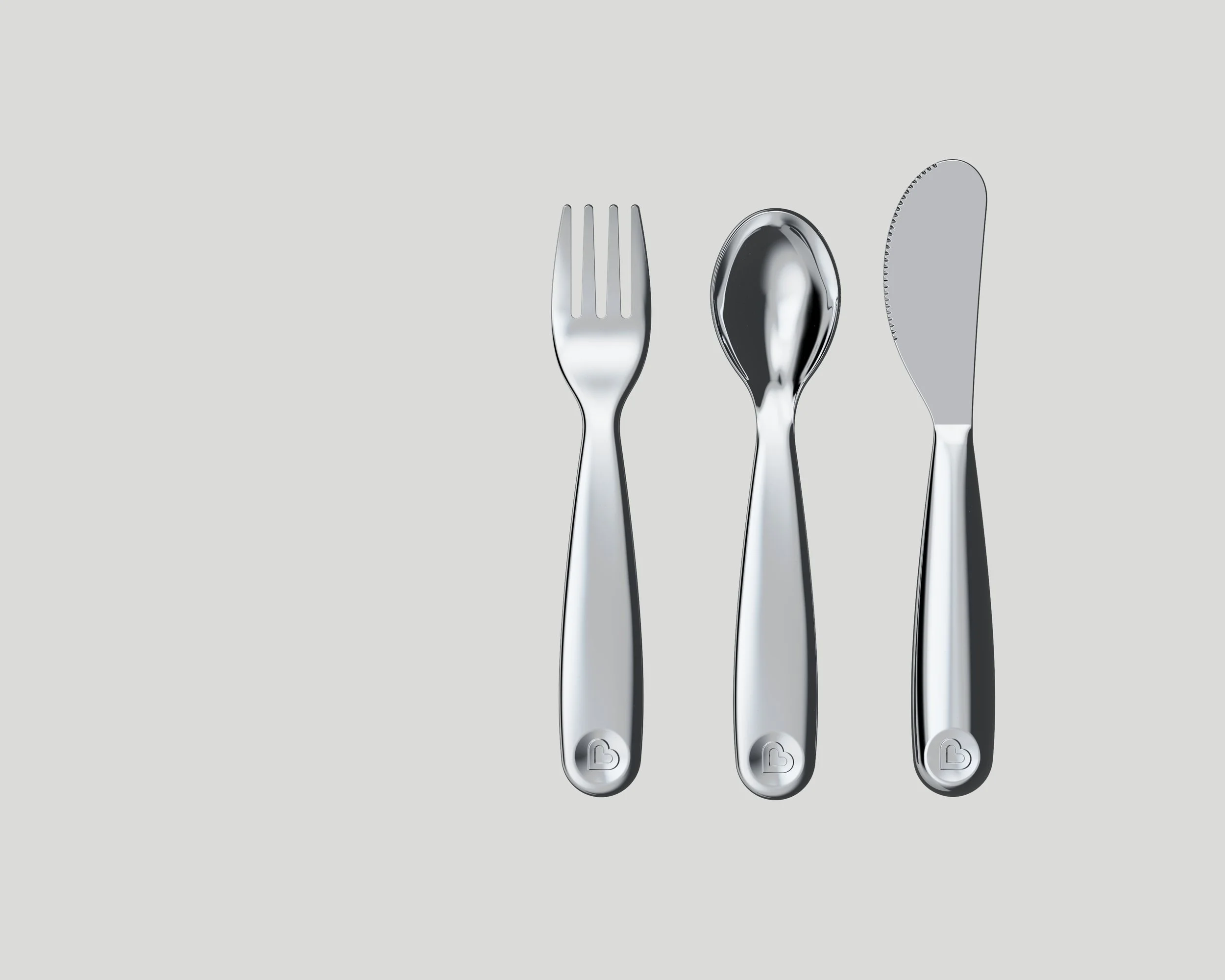
POLISH™ STAINLESS STEEL TODDLER UTENSIL SET
Light-weight Hollow Handle Stainless Steel Utensils for Big Kids
Brand: Munchkin
Launch: 2017
“Big on style but small enough for toddler mouths and hands, Polish stainless steel utensils give mealtime a much-needed upgrade.”
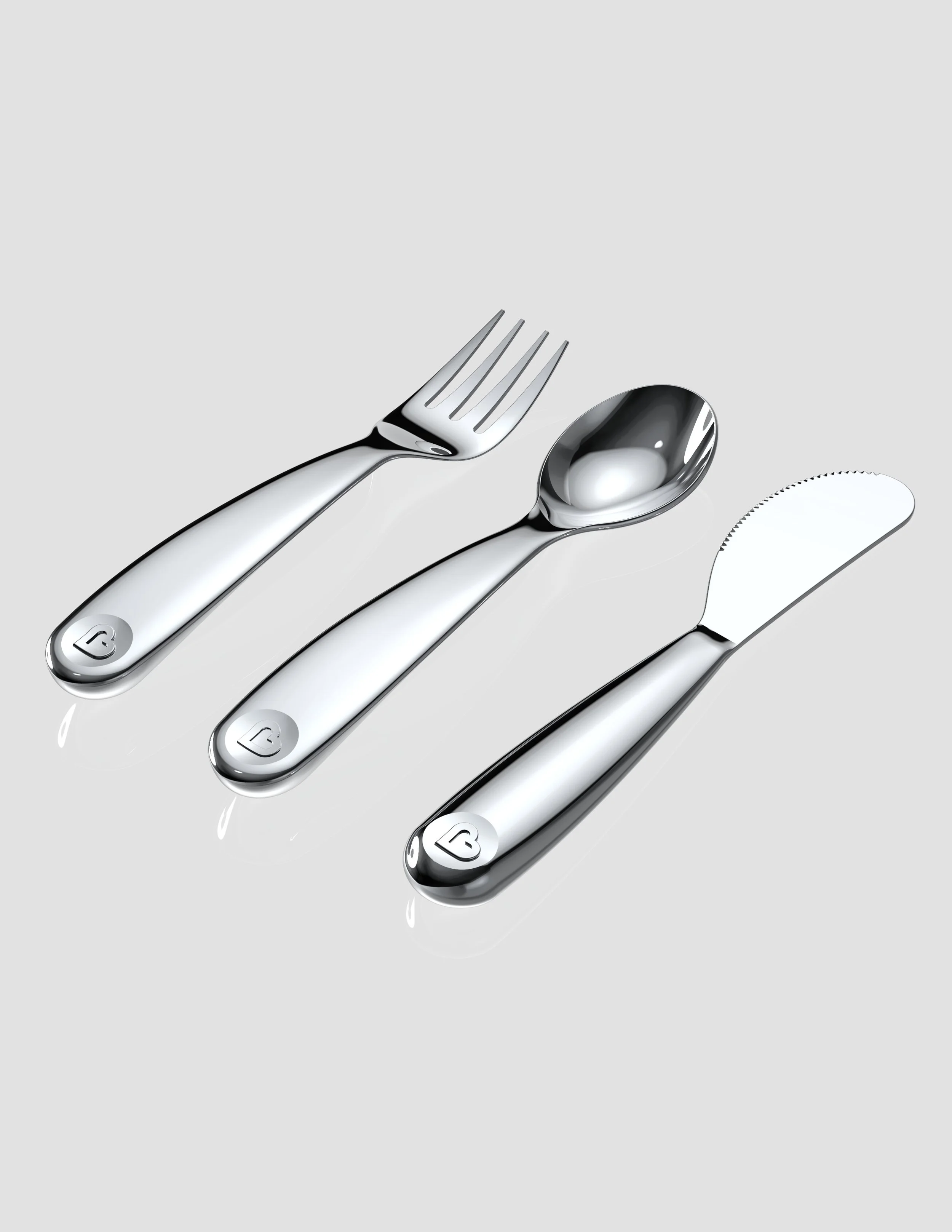
Helps toddlers transition to self-feeding with style and ease. They'll feel like grown-ups at the dinner table with stainless steel forks, spoons and knives designed with their safety and size in mind.
Parents love the neutral, goes-with-everything design and toddlers love elevating their status to "big kid." Everyone wins!
Market Opportunity: Early Childhood Utensil Development

The Challenge
American parents often delay introducing utensil knives to young children, typically waiting until age 7—primarily due to safety concerns.
However, this cautious approach may inadvertently hinder child development.
Child development experts and programs like Montessori advocate for much earlier introduction of age-appropriate utensils to foster independence, fine motor skills, and self-feeding confidence.

The Gap
Currently, the market lacks safe, developmentally appropriate utensil sets designed for toddlers as young as 18 months old. Parents who want to follow child-led feeding and Montessori principles face a dilemma: standard adult utensils pose genuine safety risks, while most children's utensils lack the functionality needed for meaningful learning.
How Might We: A Safe-First Utensil System for Toddlers
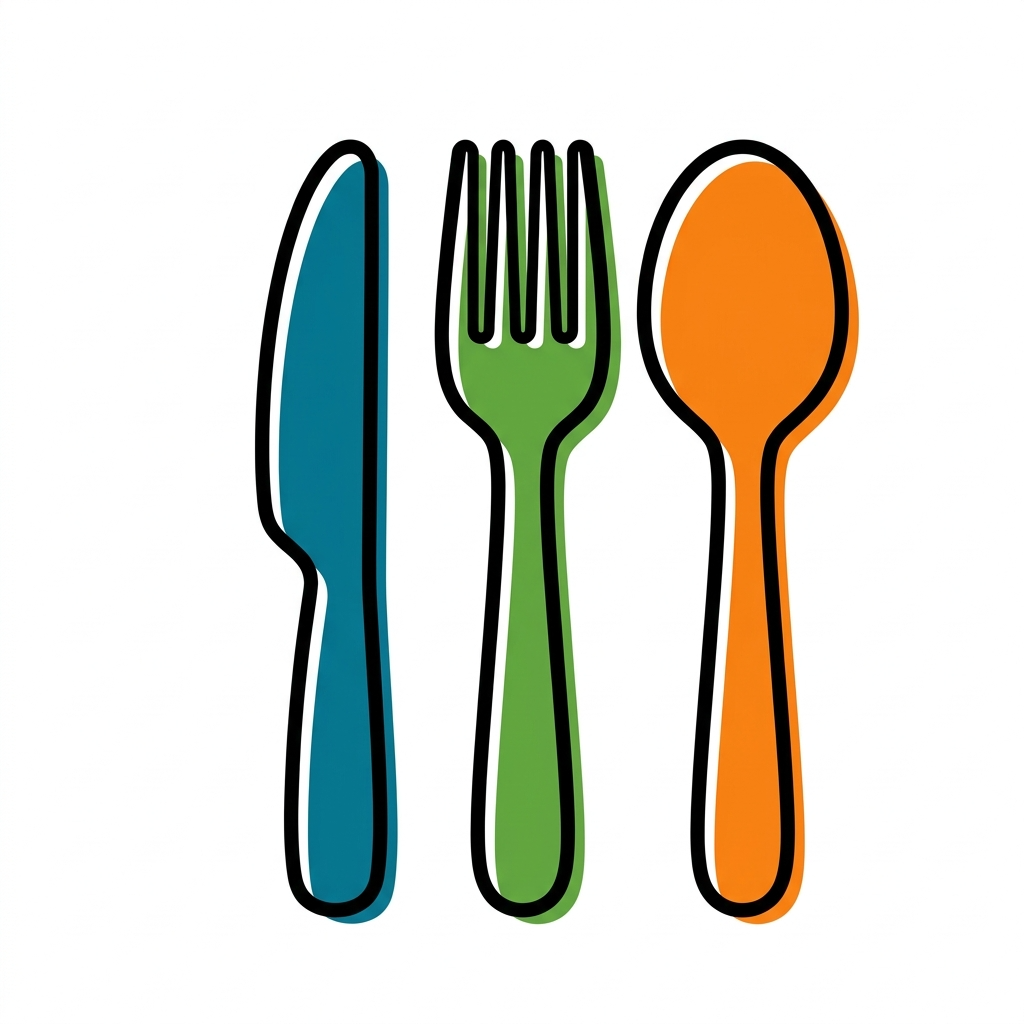
A comprehensive utensil set is proposed for children aged 18 months to 3 years, prioritizing both safety and skill-building. The system includes three core components, each designed with precise functionality for real-world eating scenarios.
INSIGHTS
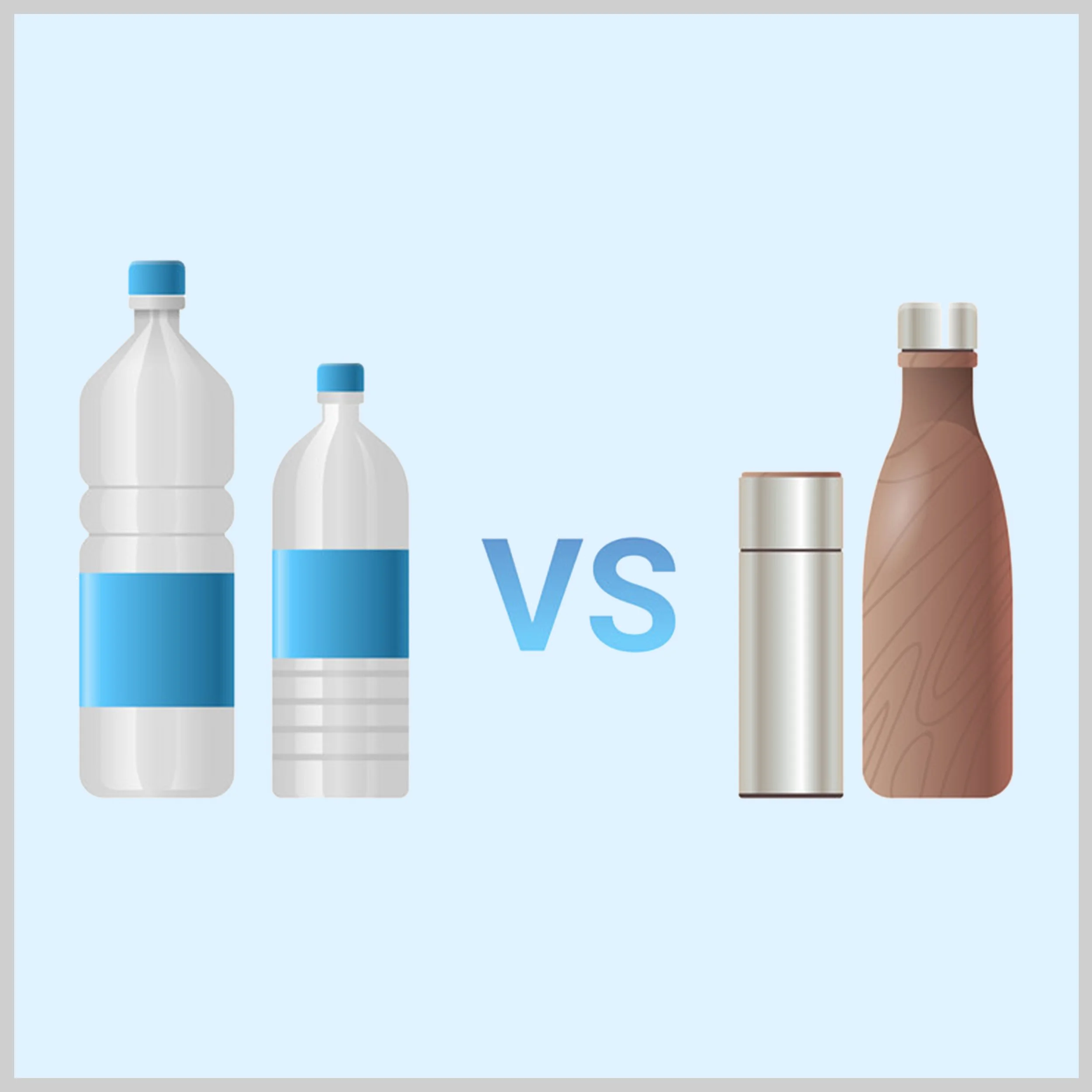
“Stainless steel rules for kids' health—no chemicals transfer into food, just pure, clean eats.”

“My kids always want to mimic what I do.”
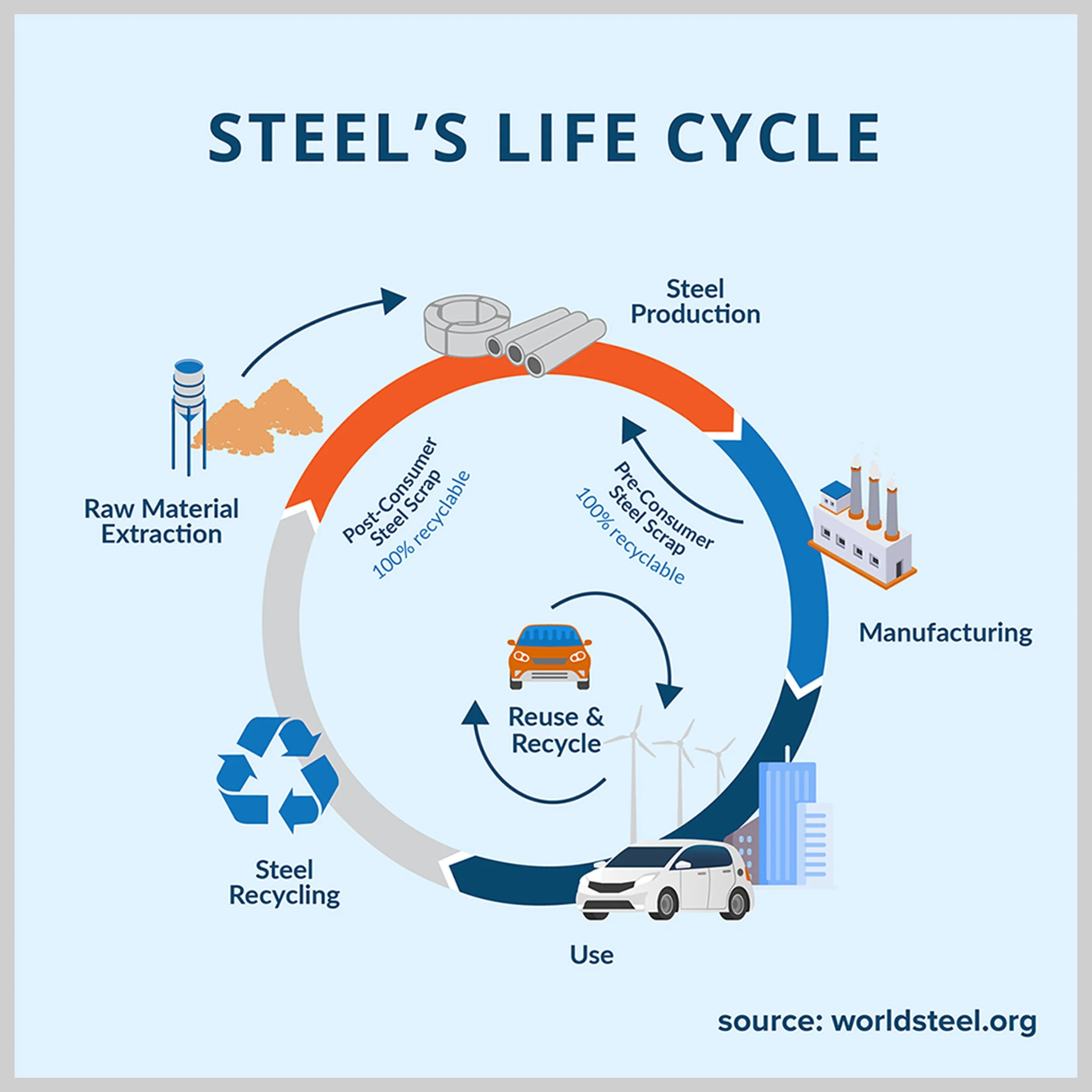
“Stainless steel retains its integrity for over 50 years.”
OVERALL PROCESS
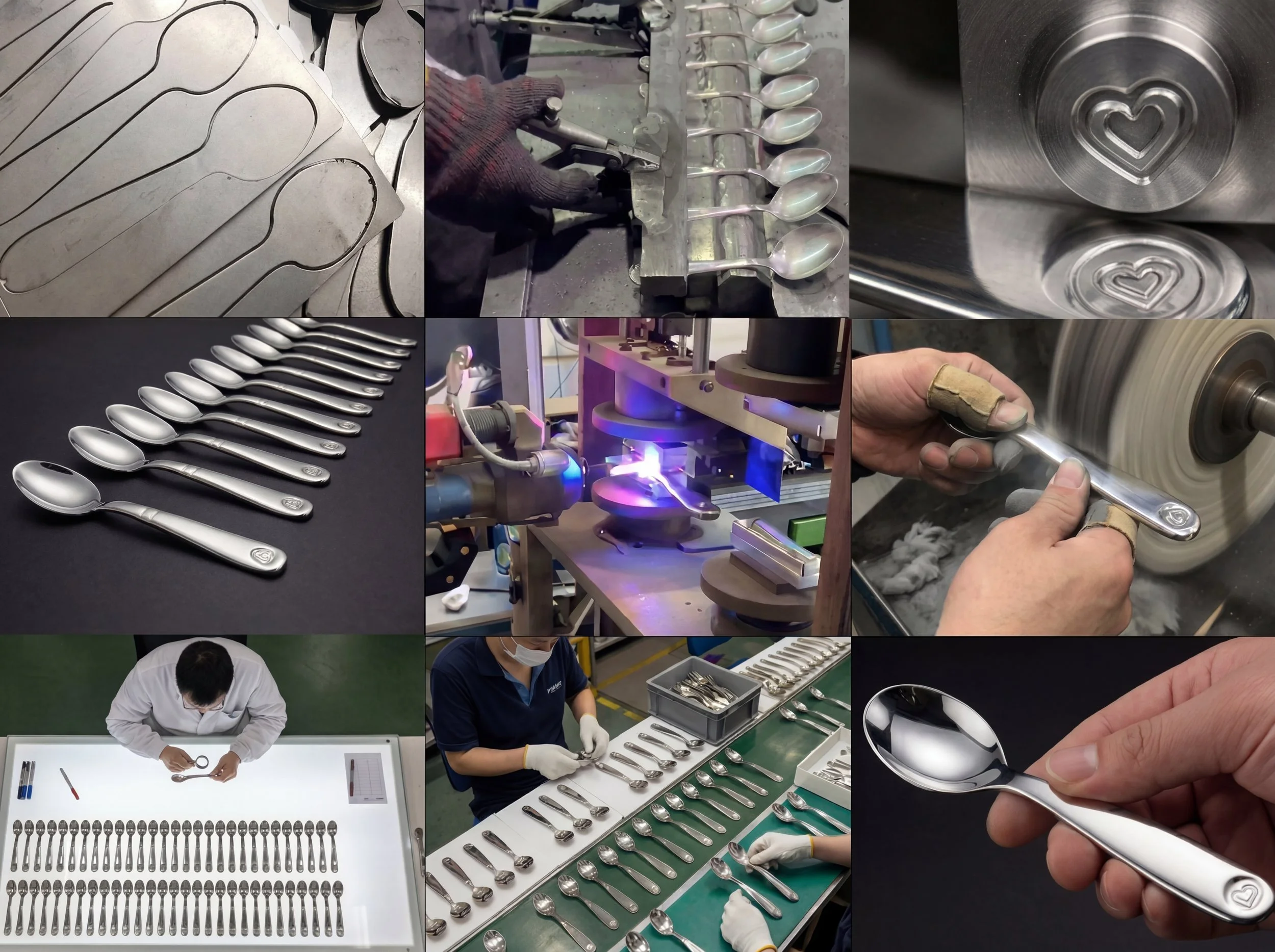
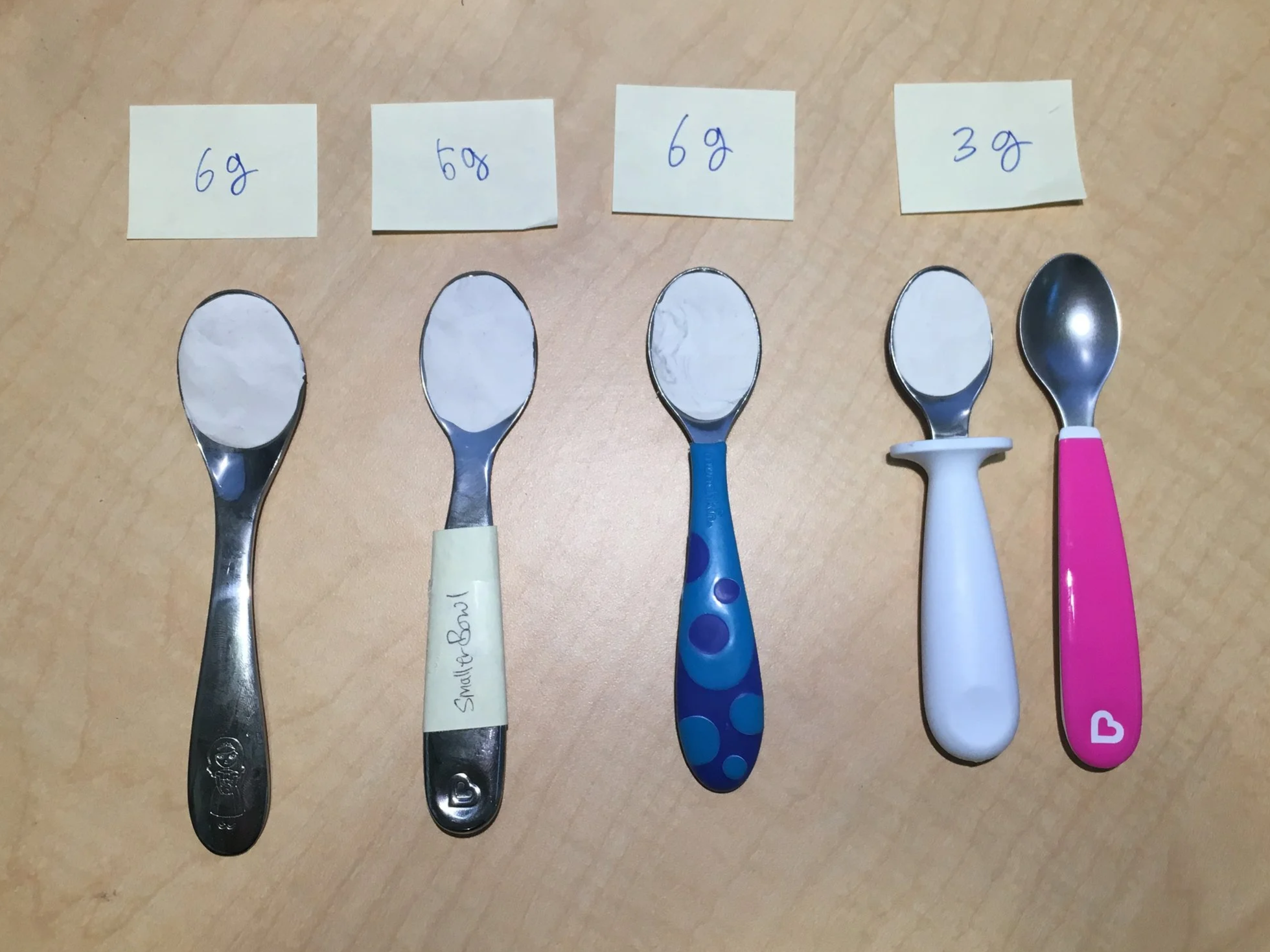
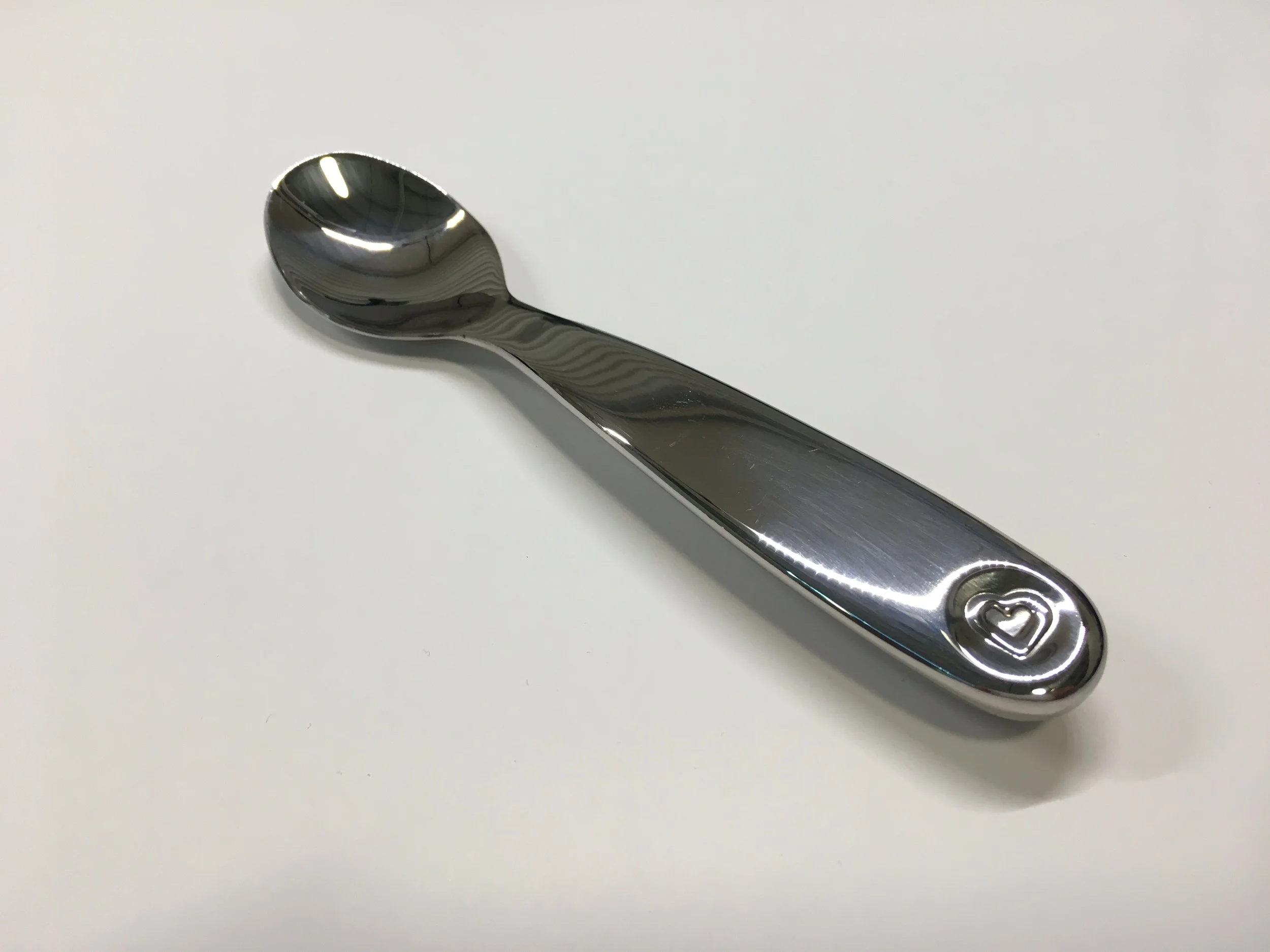
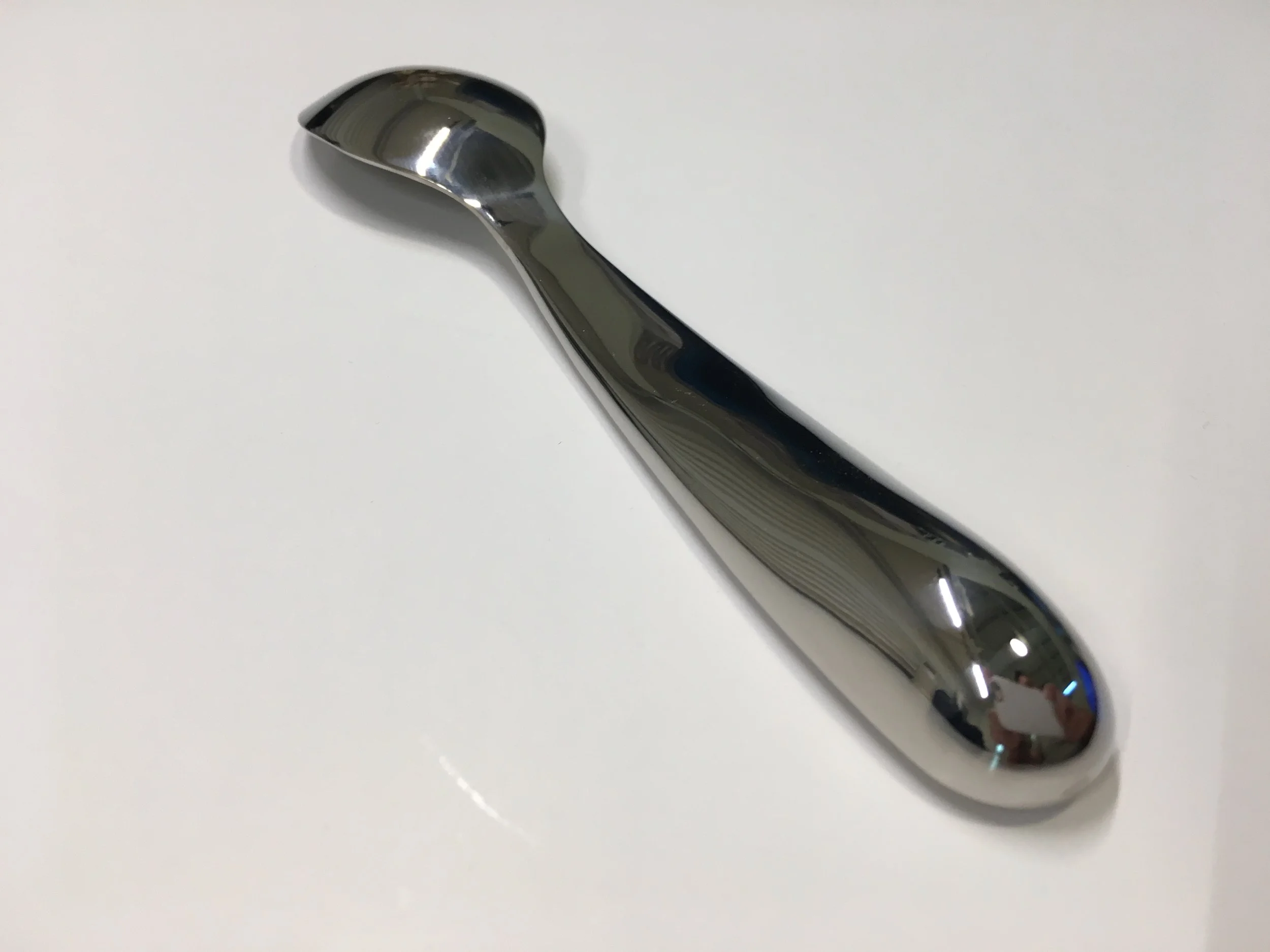
RESEARCH, DESIGN & DEVELOPMENT
USER RESEARCH
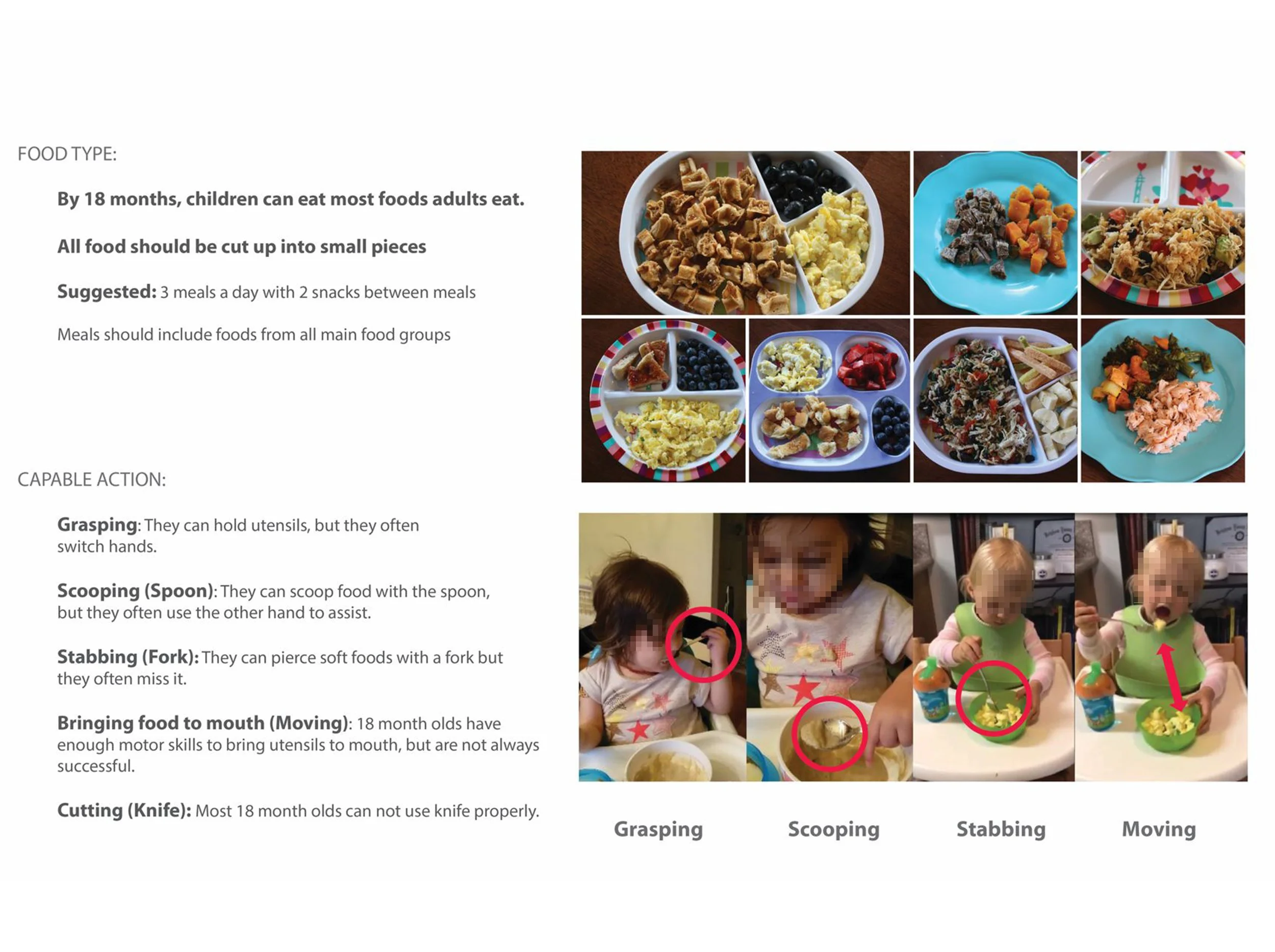
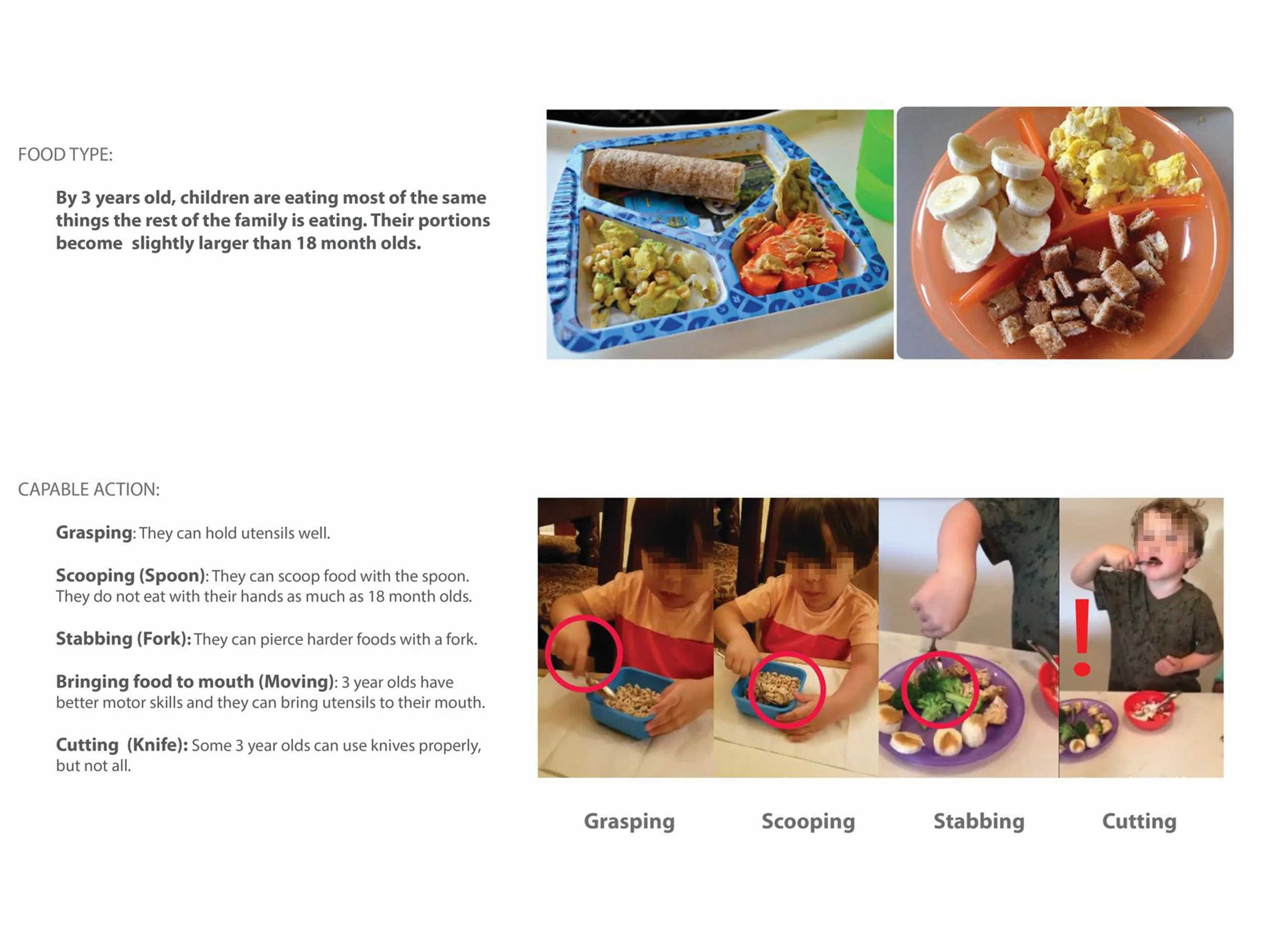
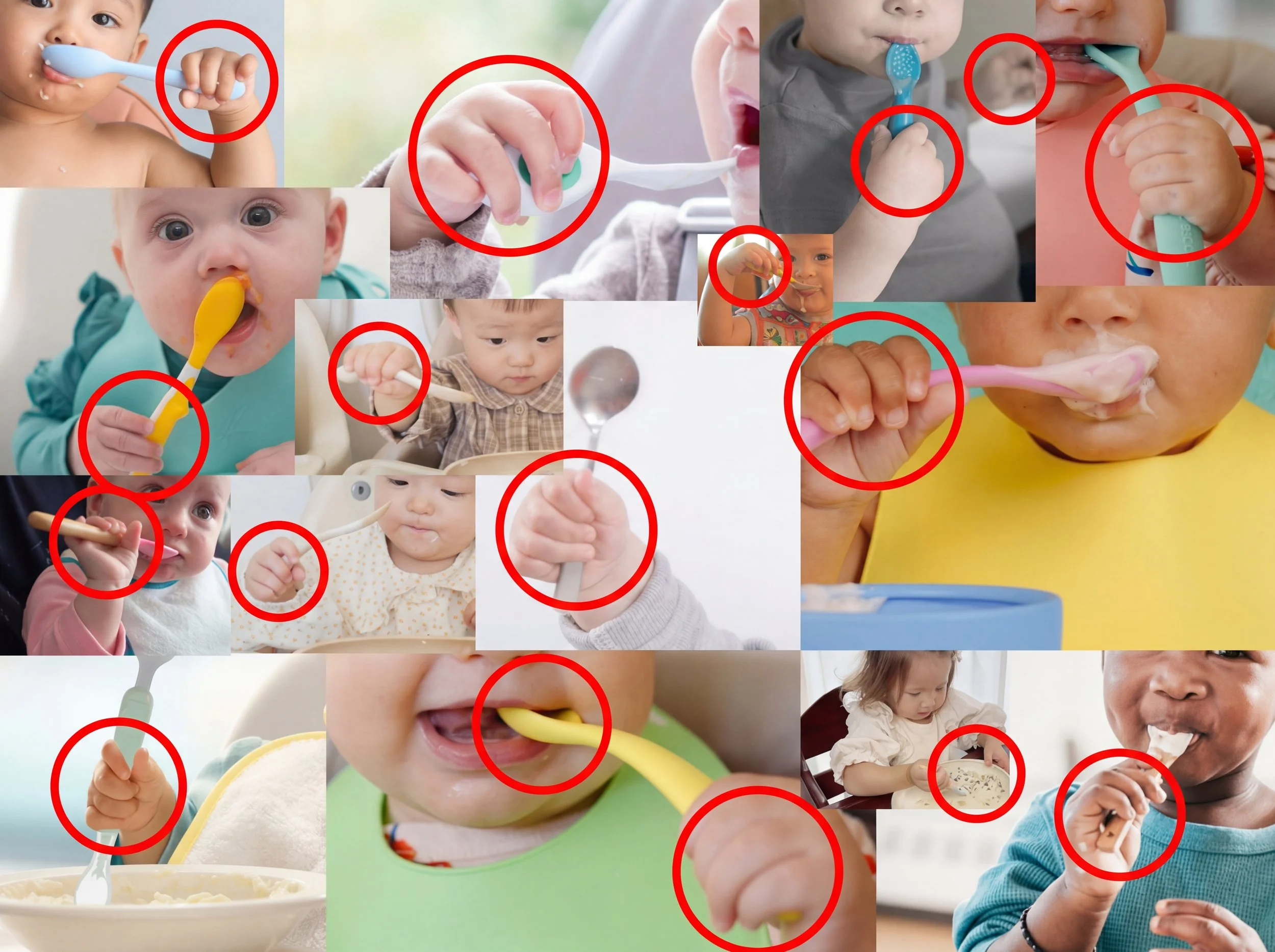
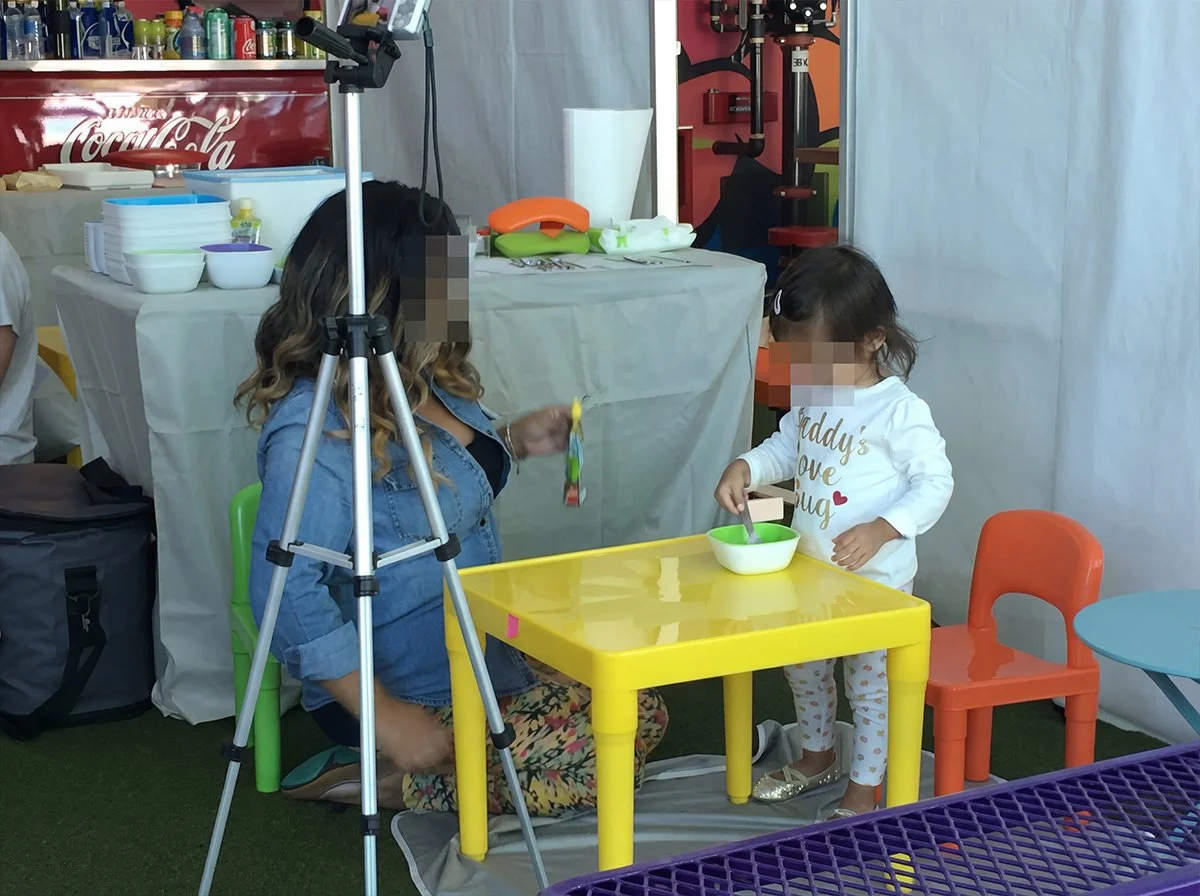
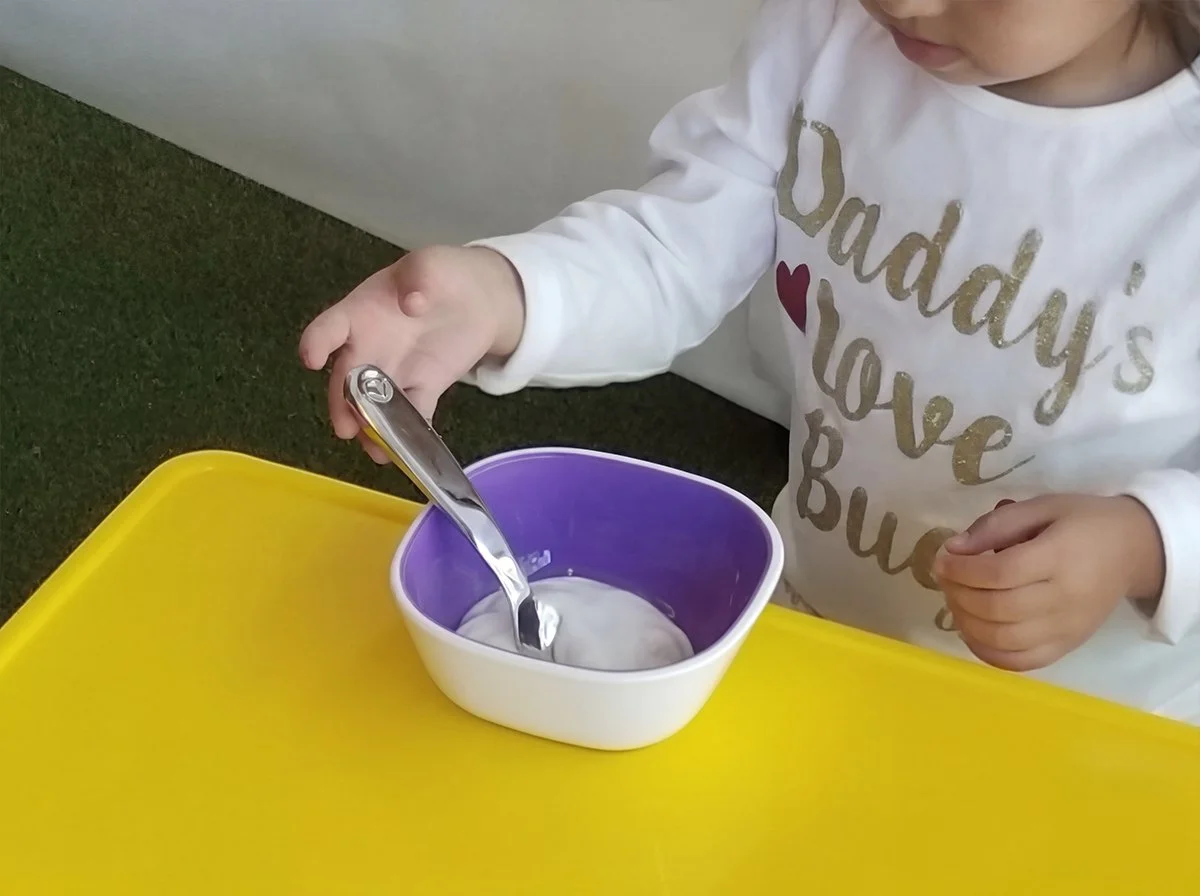
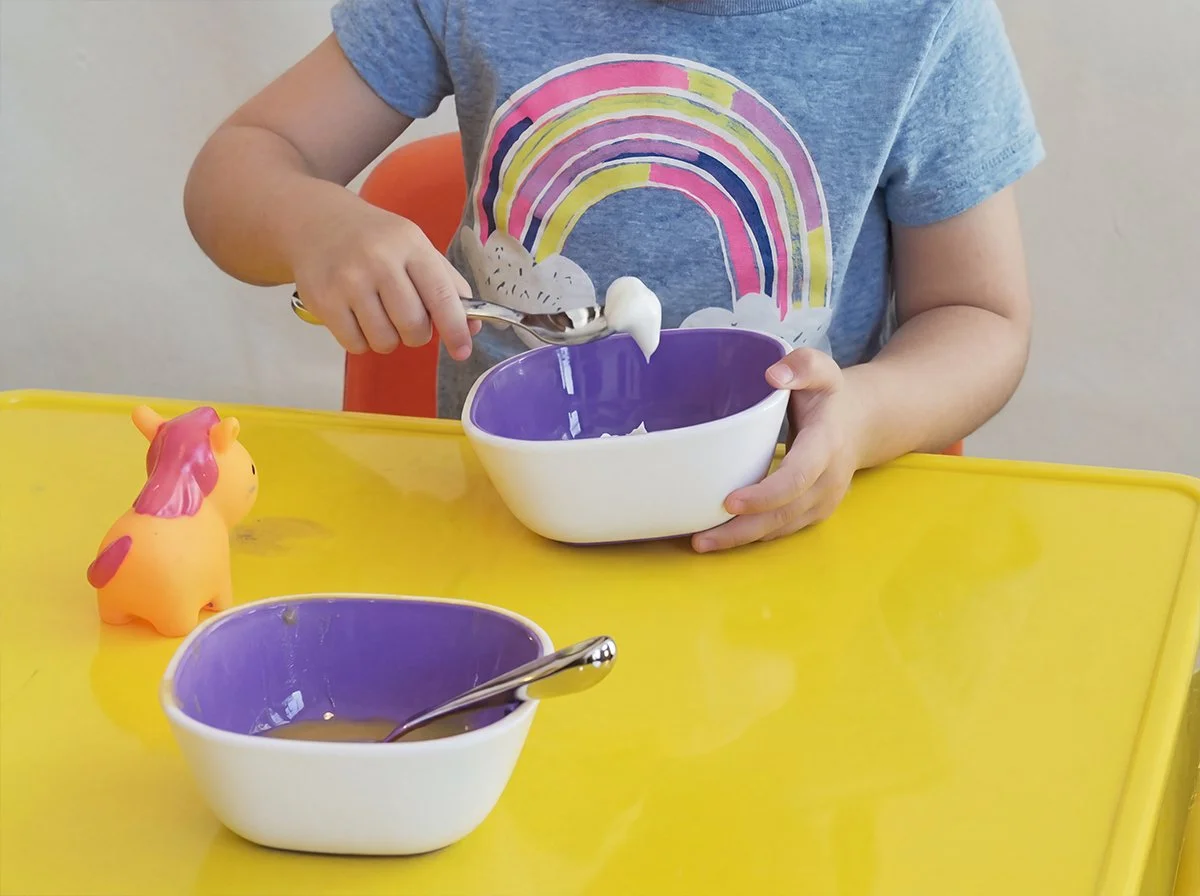
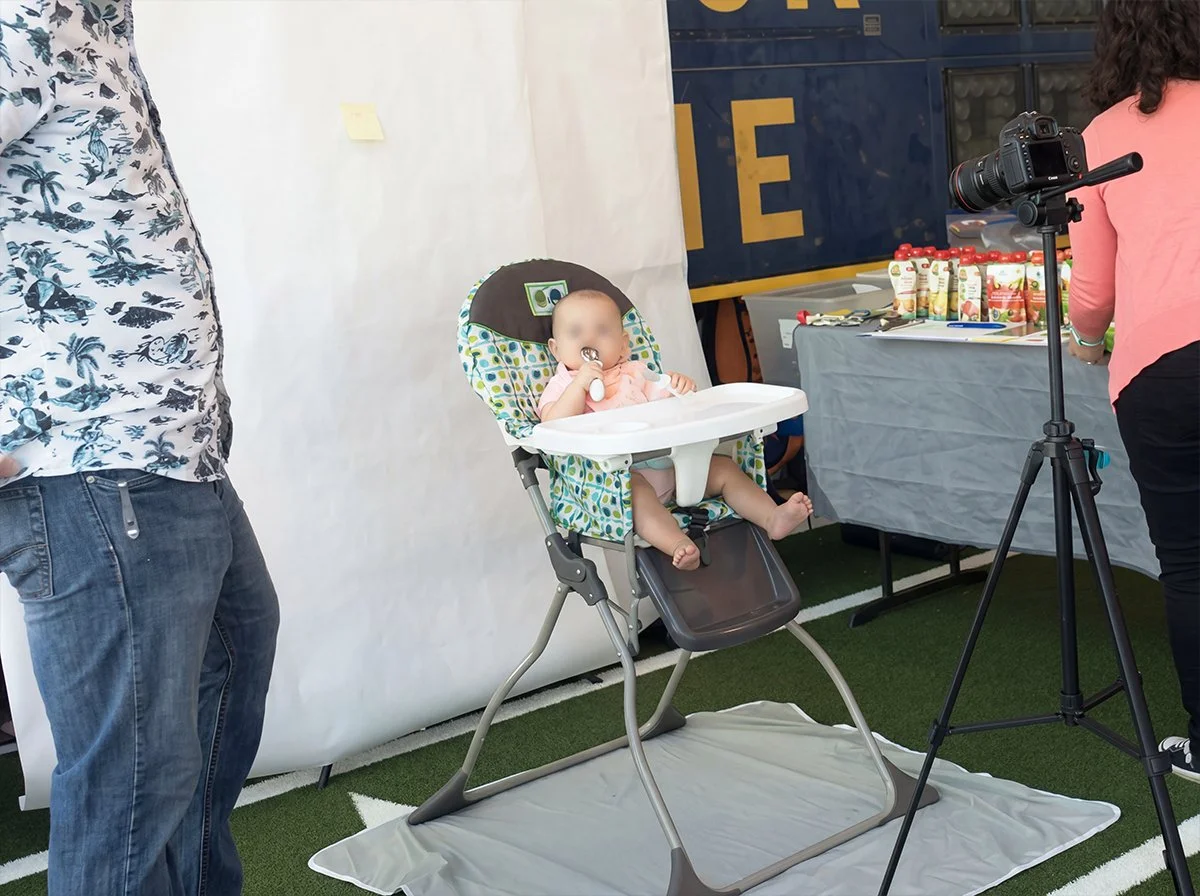
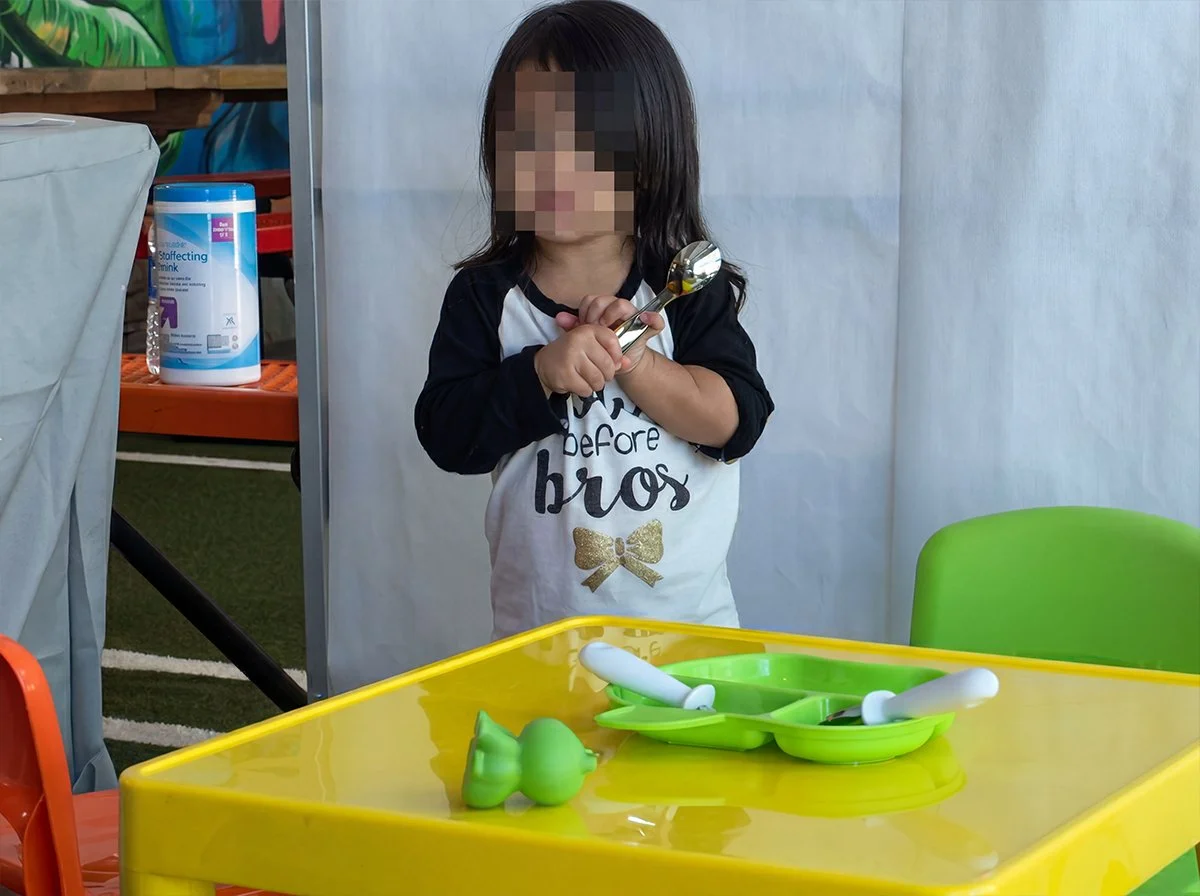
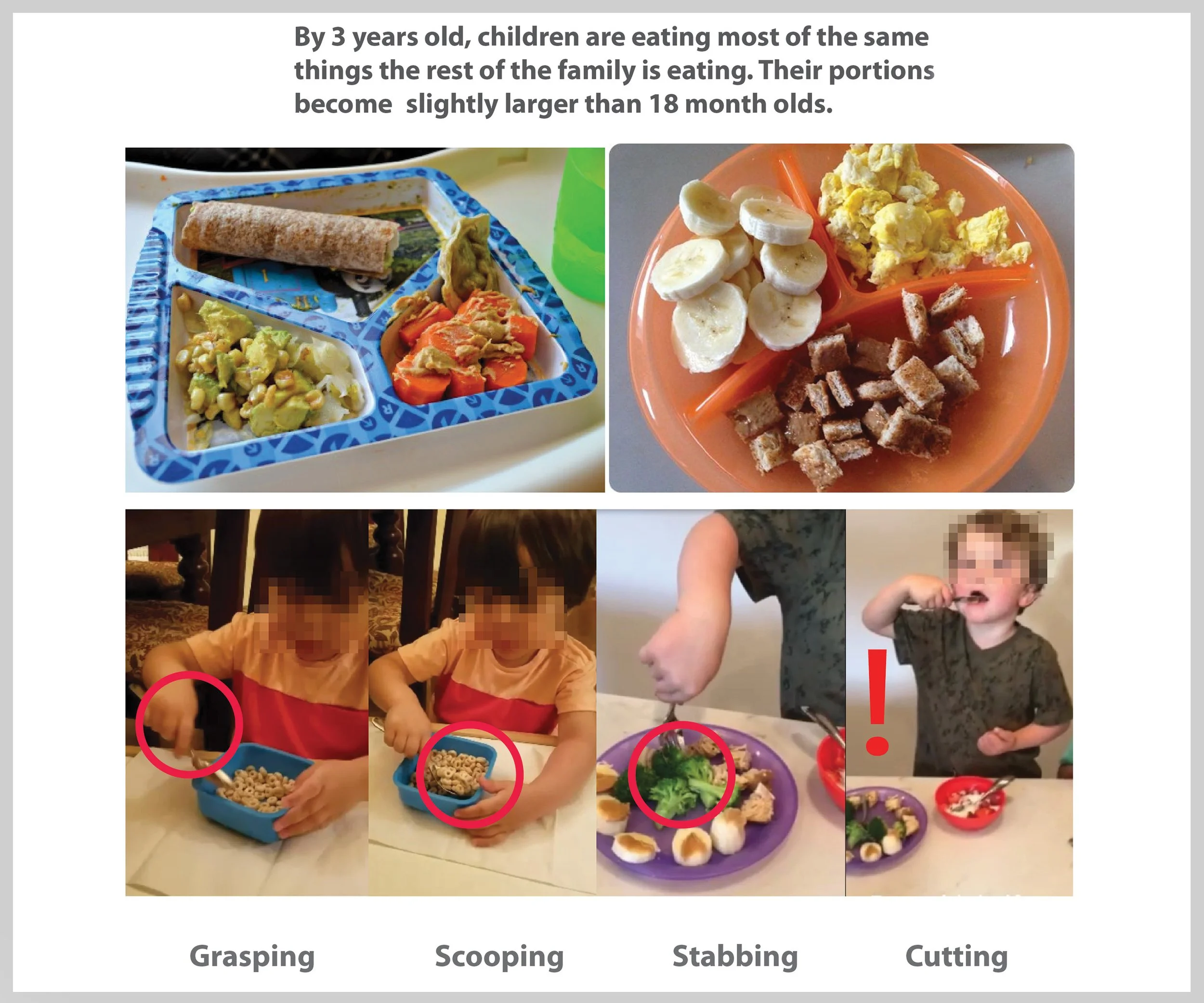
Conducted hands-on testing sessions with toddlers using a variety of open market products to observe their interaction with each utensil, aiming to gain insights into usability, ergonomic advantages, and potential challenges.
PRODUCT RESEARCH
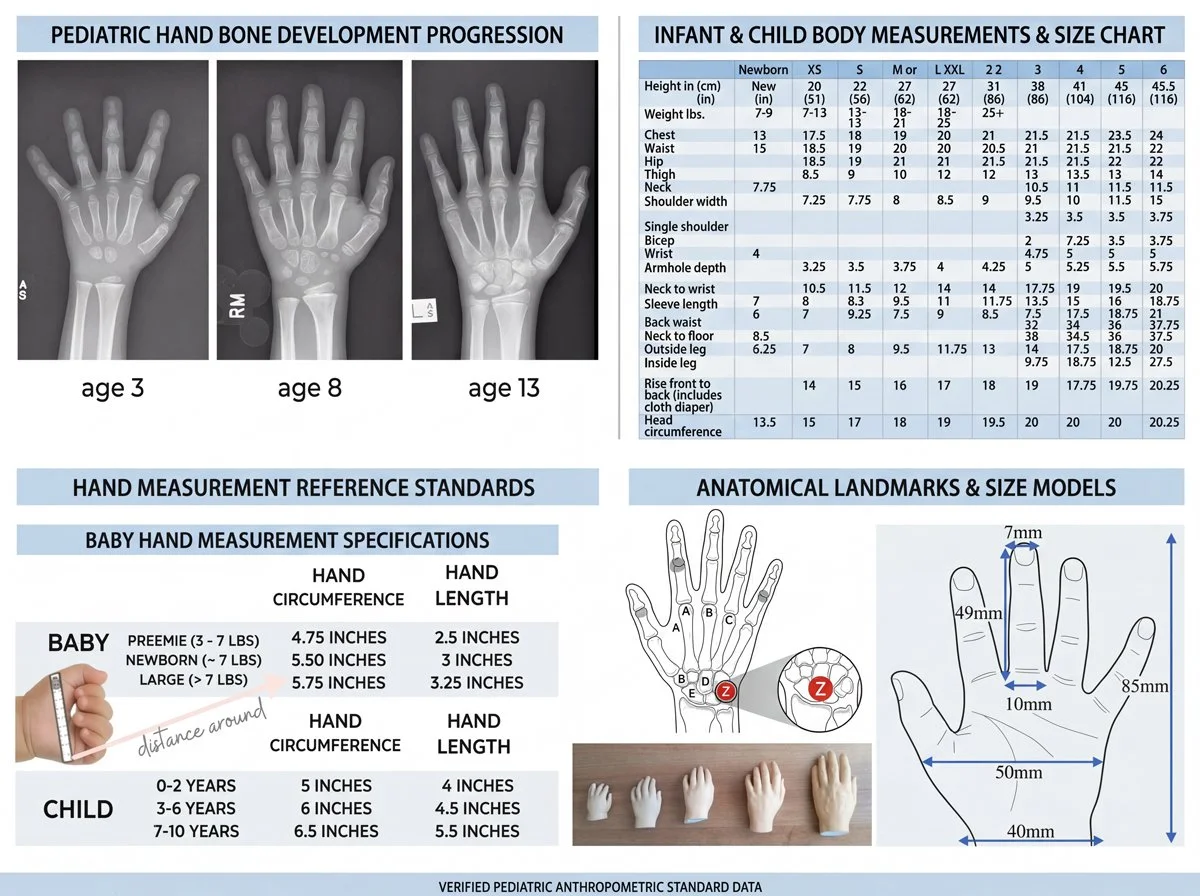
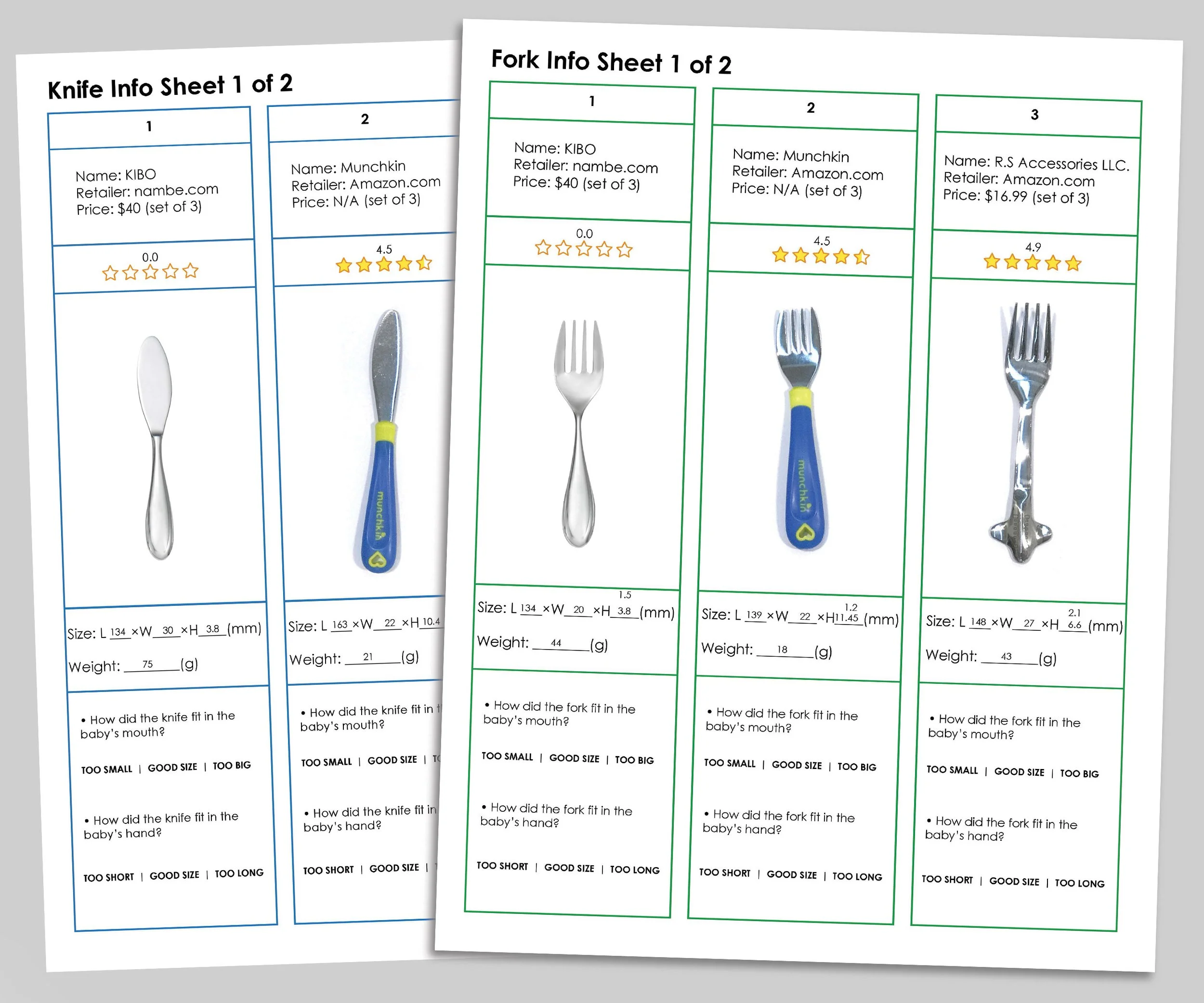
Conducted a comprehensive analysis by measuring and comparing utensils of different sizes, followed by panel testing to evaluate usability, advantages, and disadvantages.
IDEATION
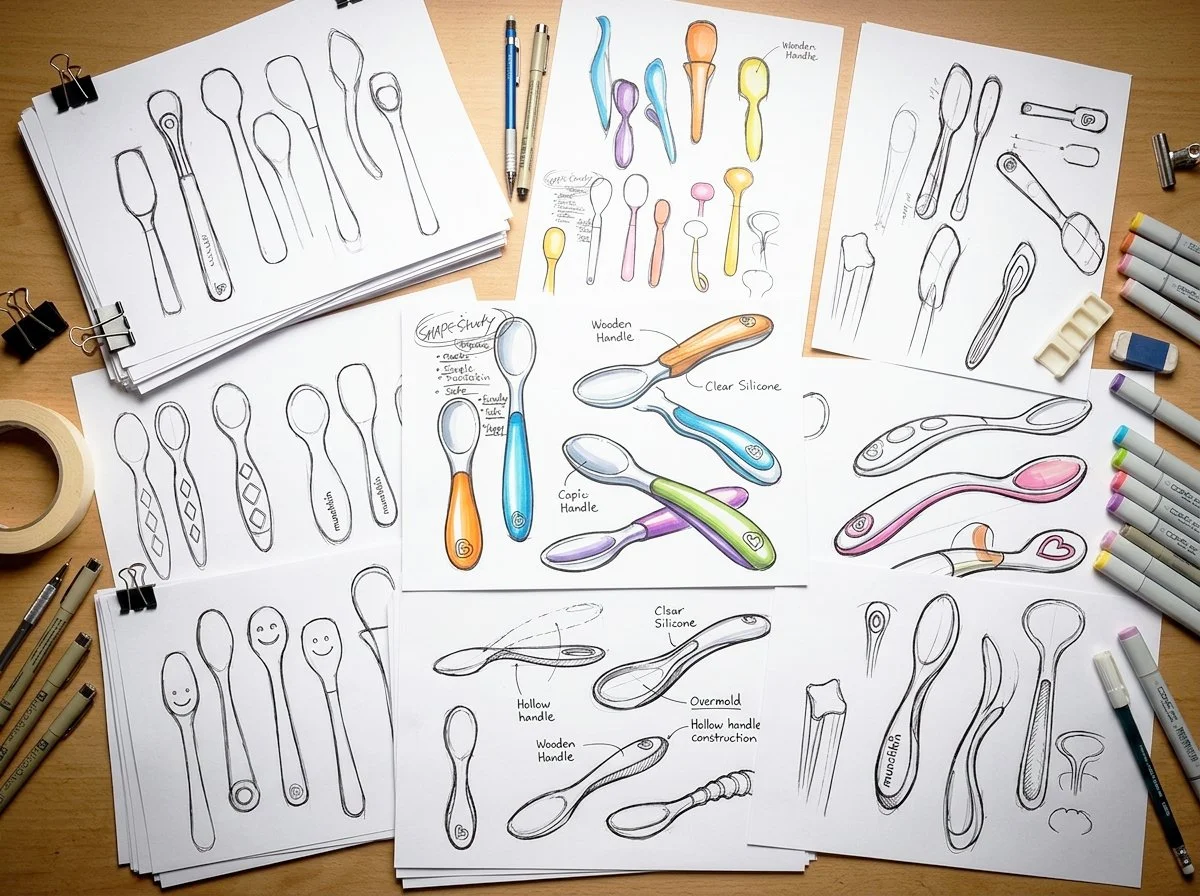
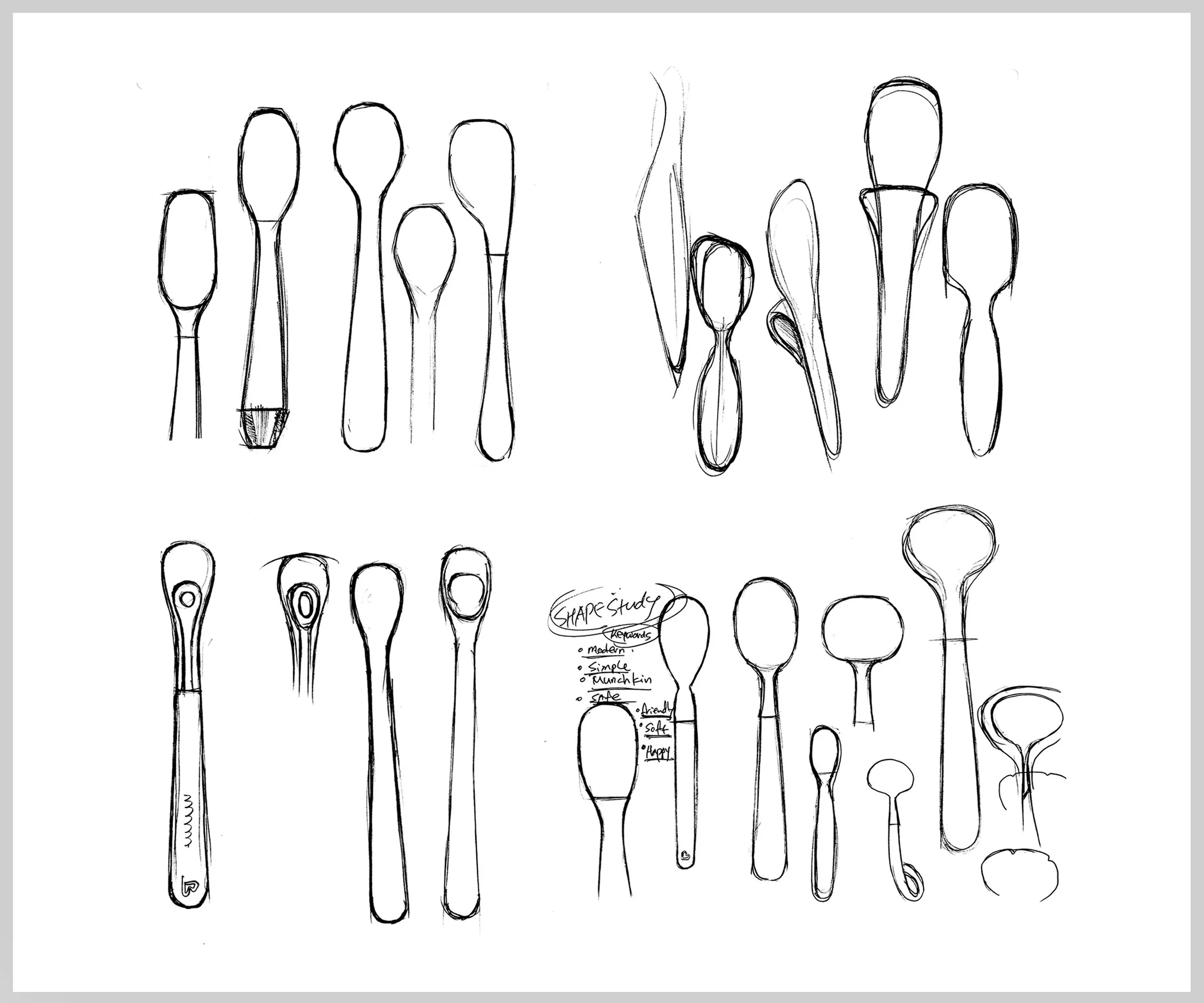
Explored as many ideas as possible through quick sketches and 2D illustrations .
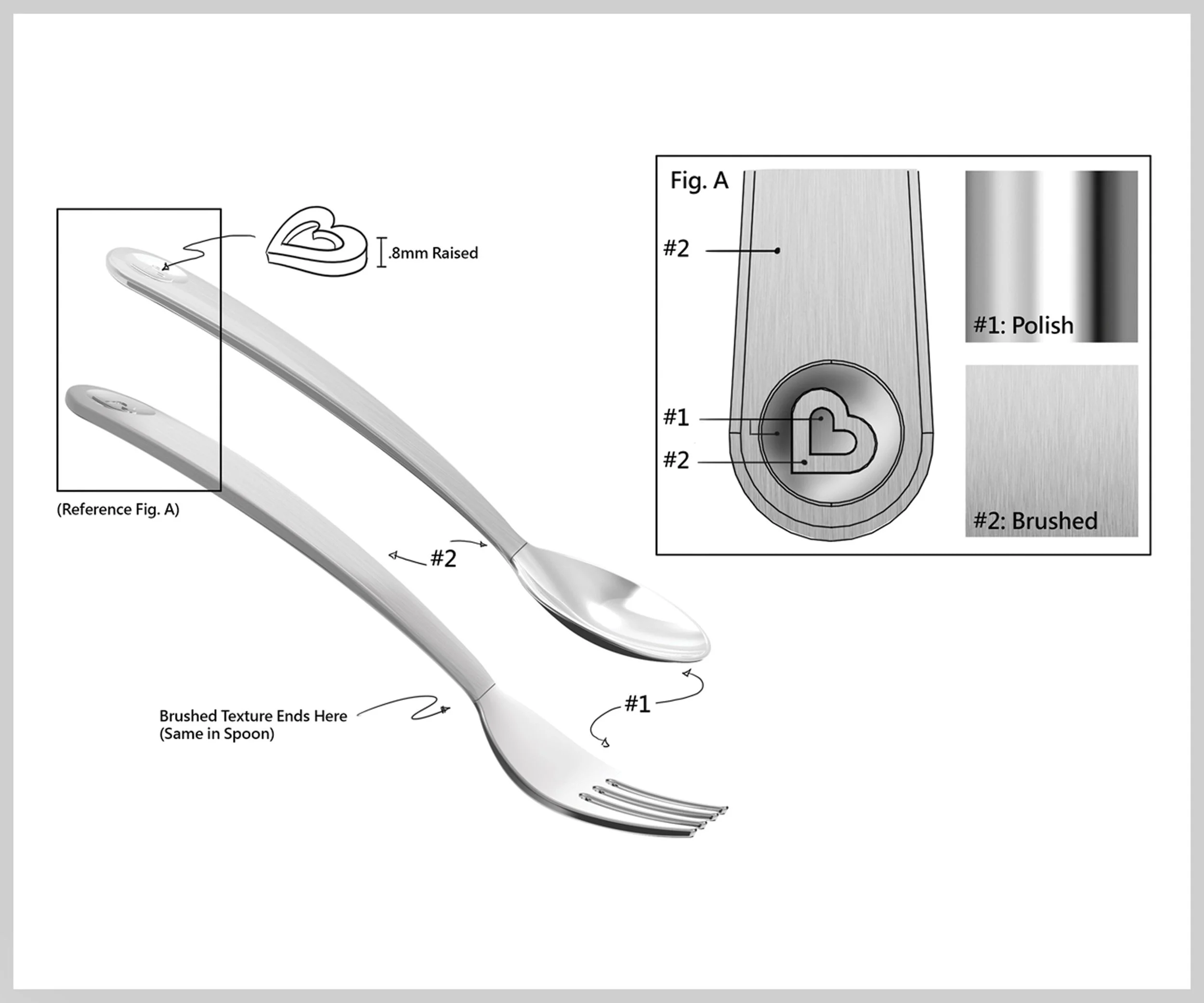
COLLABORATED WITH INTERNS
Mentored and coached design interns during the design phase and collaborated on developing ideas. During this time, we explored ergonomics, materials, manufacturing methods, and finishes.
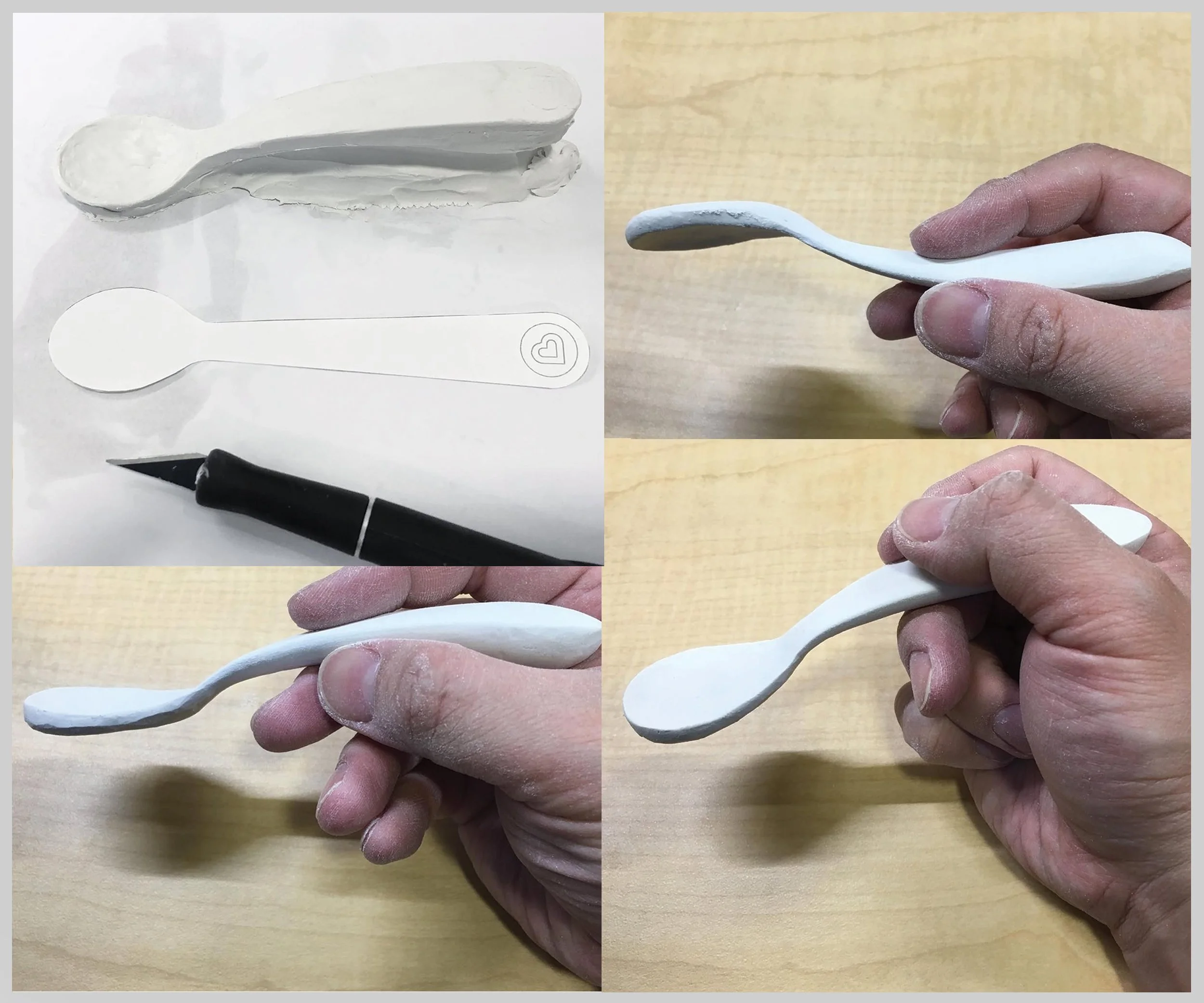
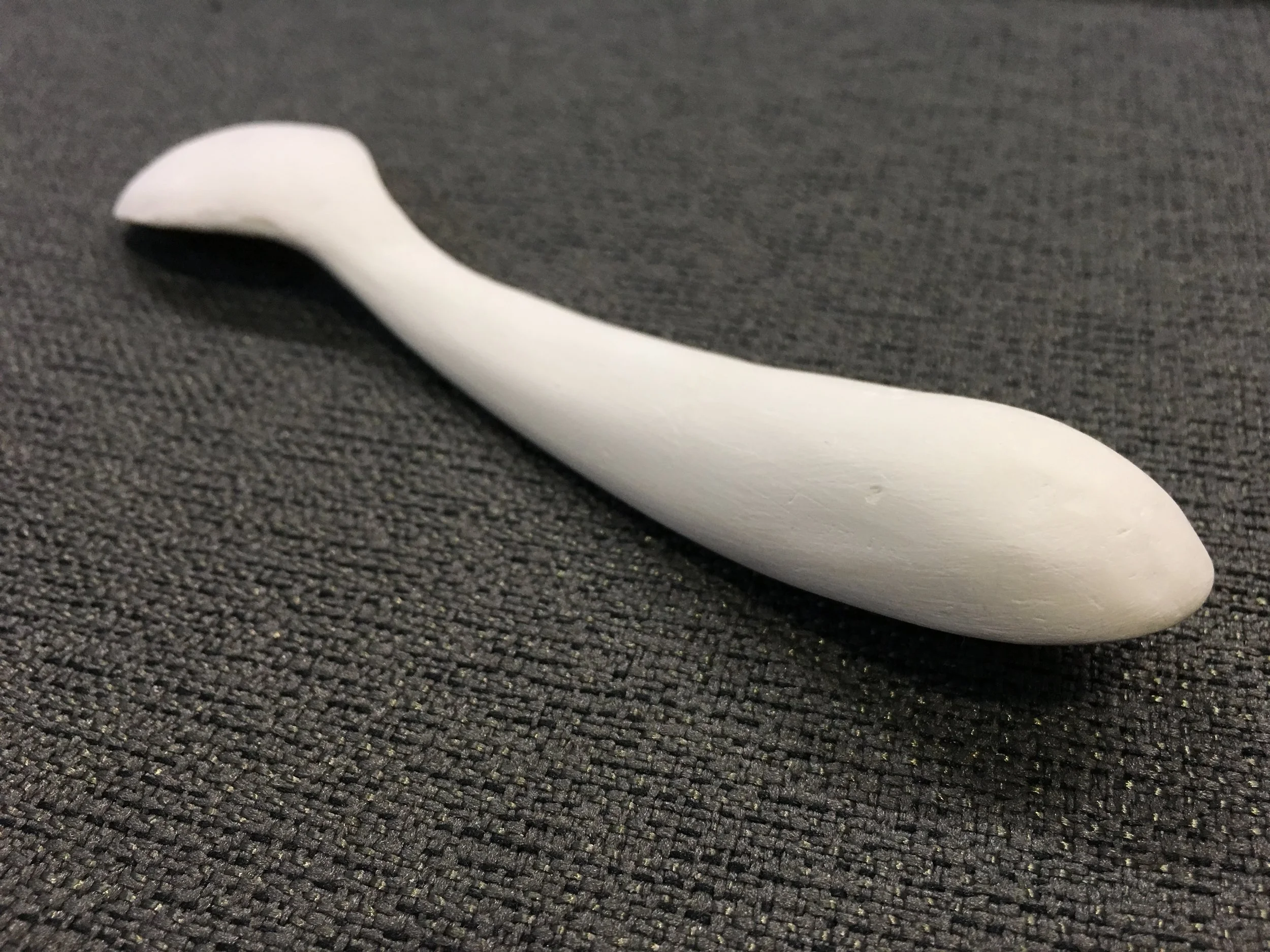
PROTOTYPING (HAND SCULPTING)
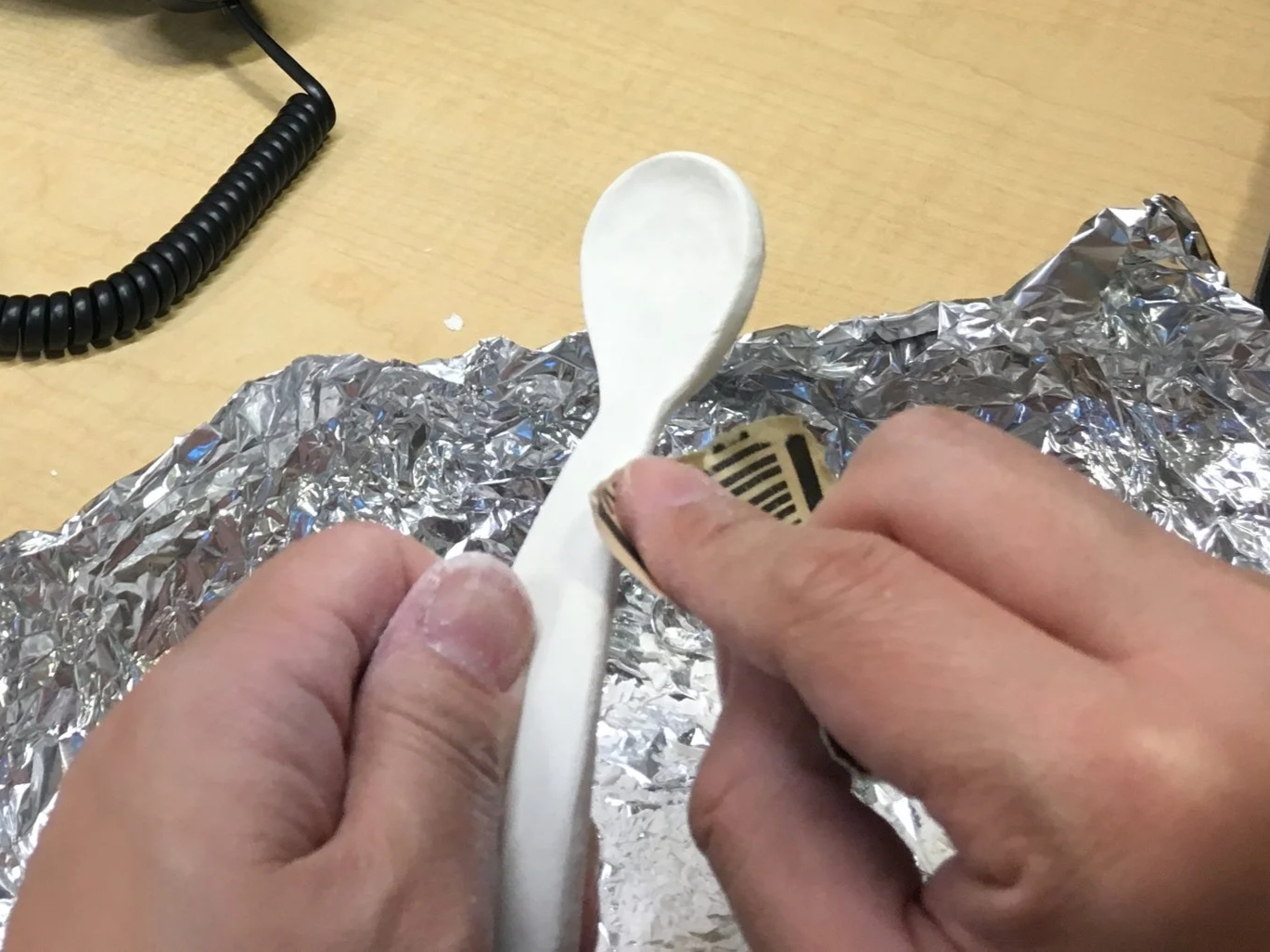
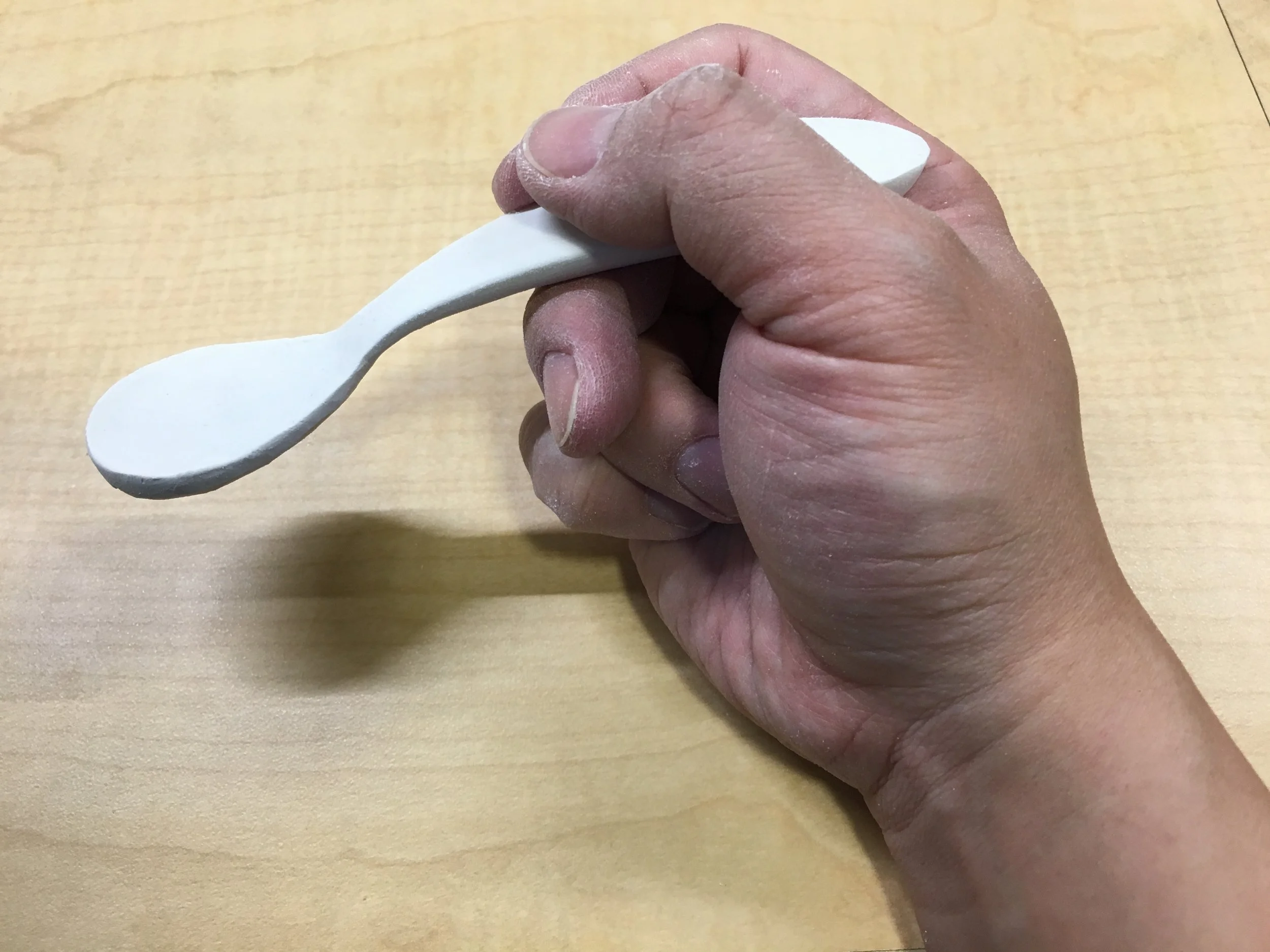
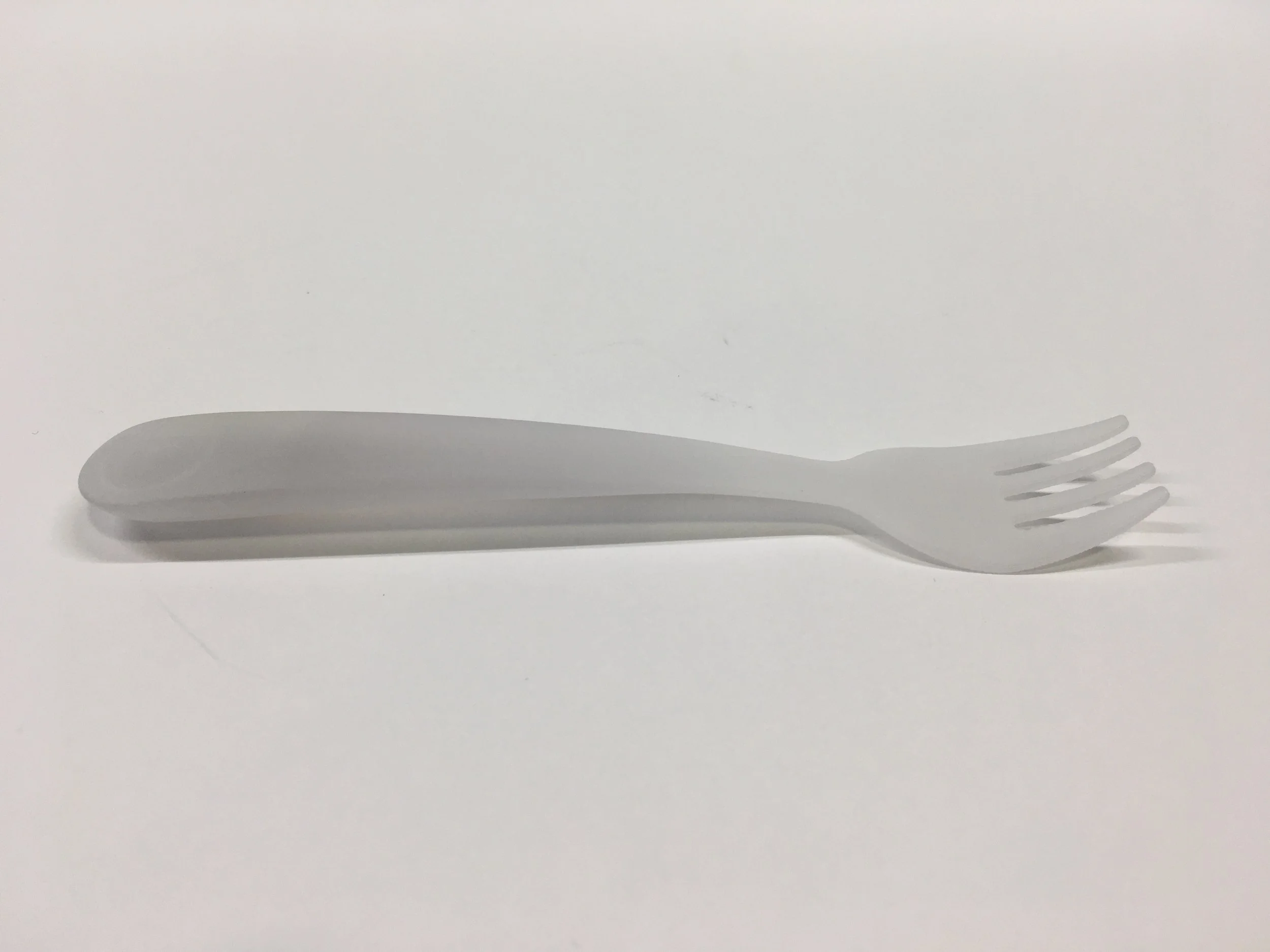
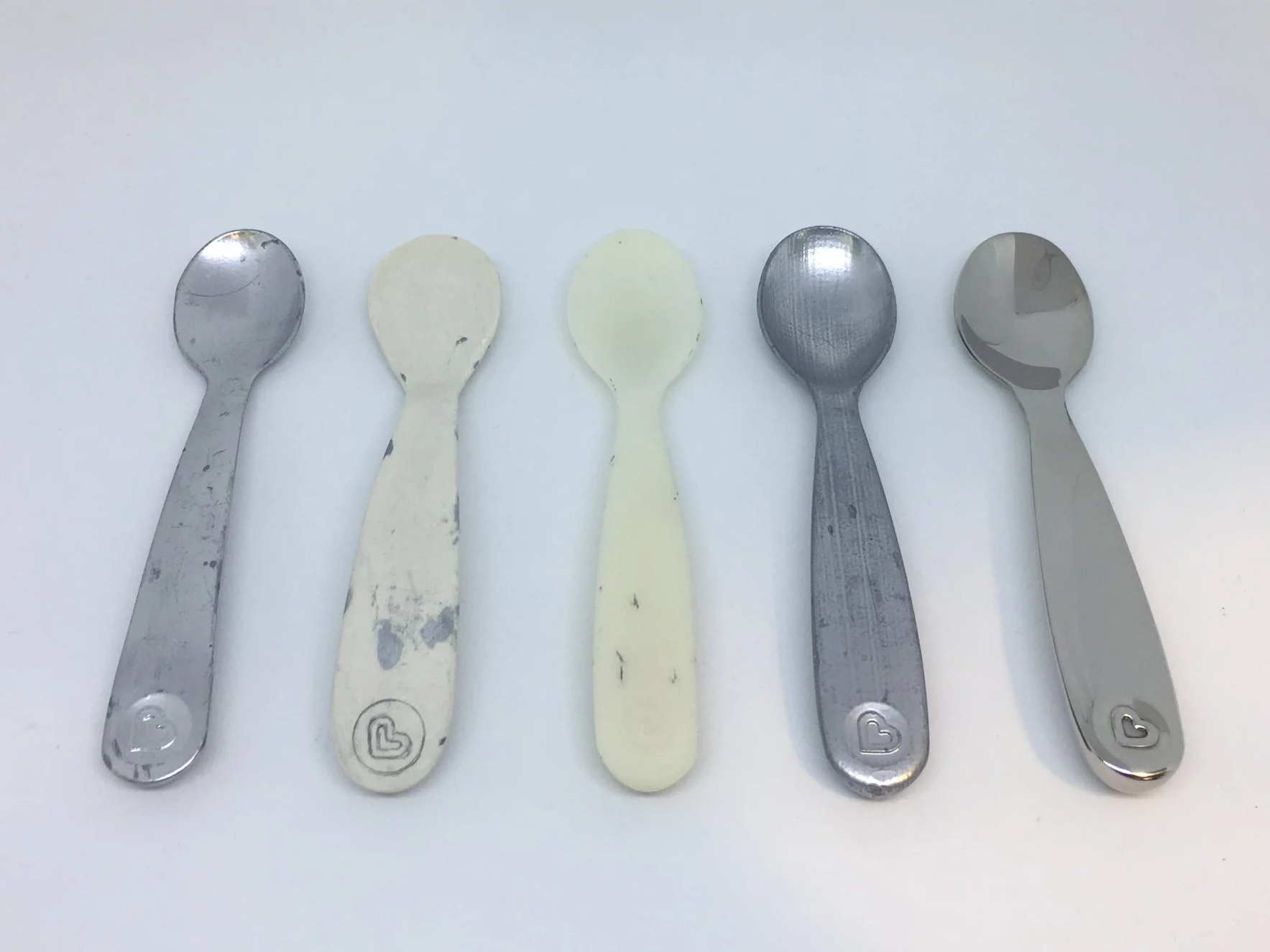
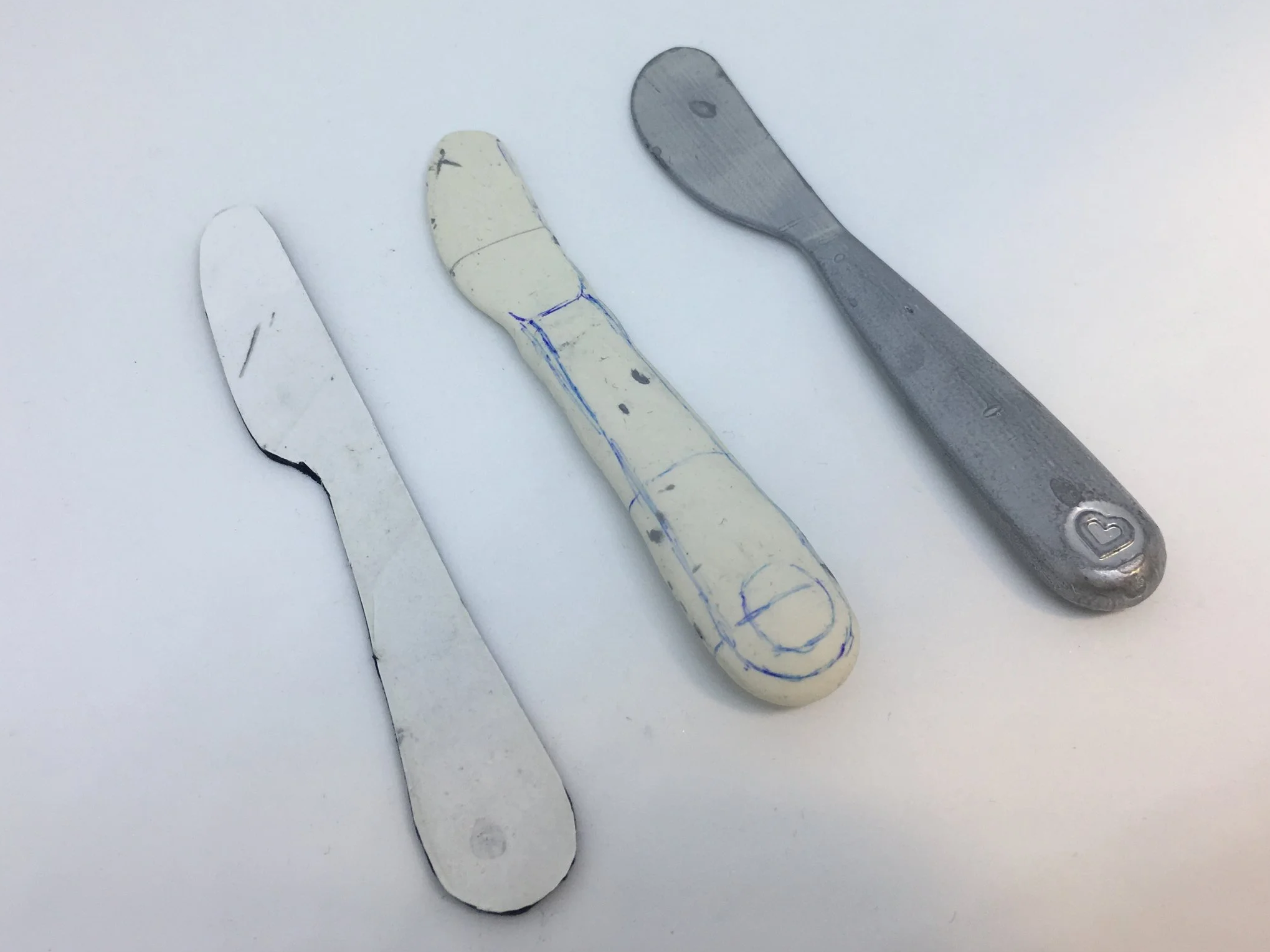
Based on the selected utensil sizes and silhouettes, hand-sculpted prototypes were created to explore three-dimensional forms, evaluate comfort and ease of use, and visualize potential design directions.
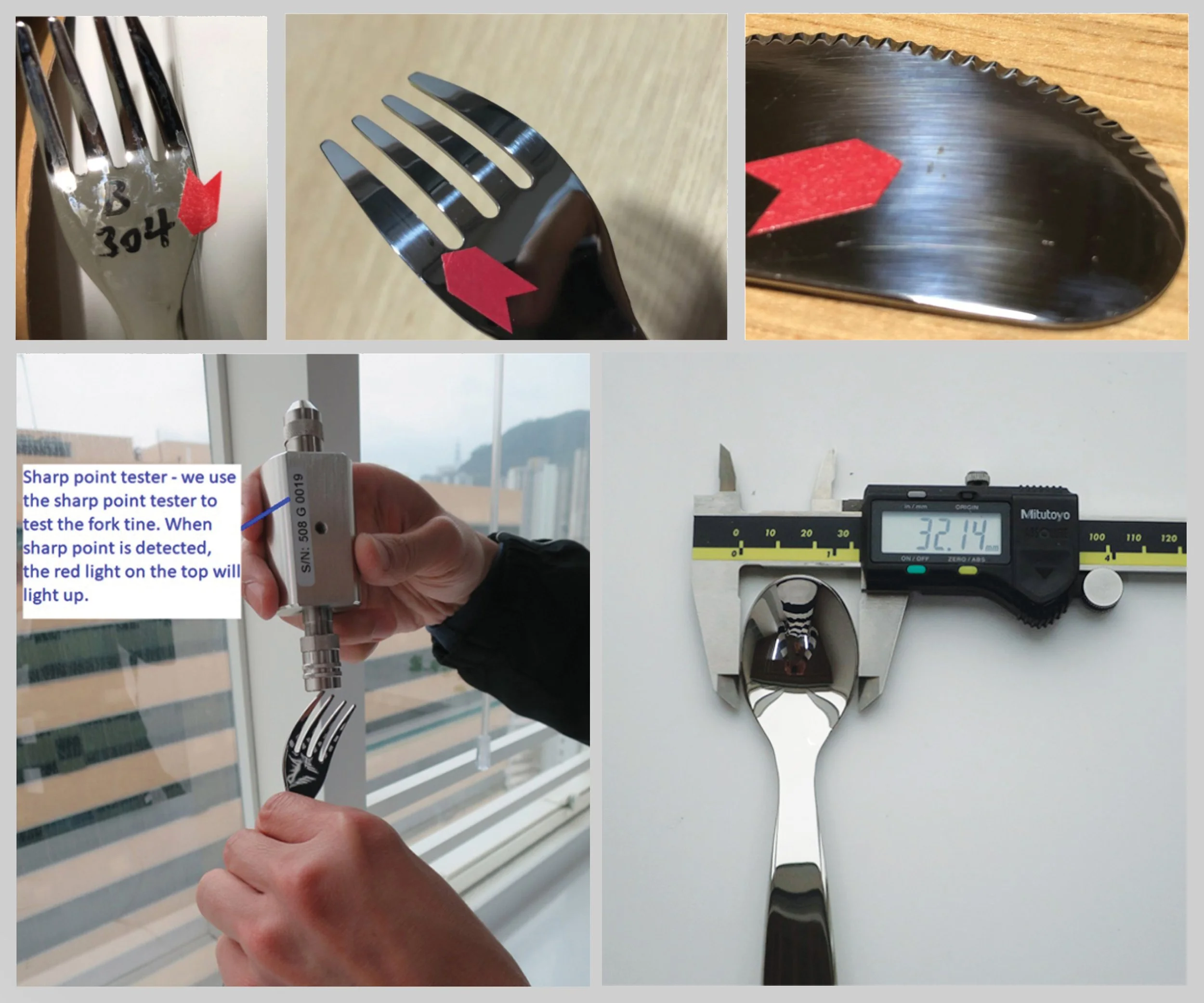
SAMPLE REVIEWS
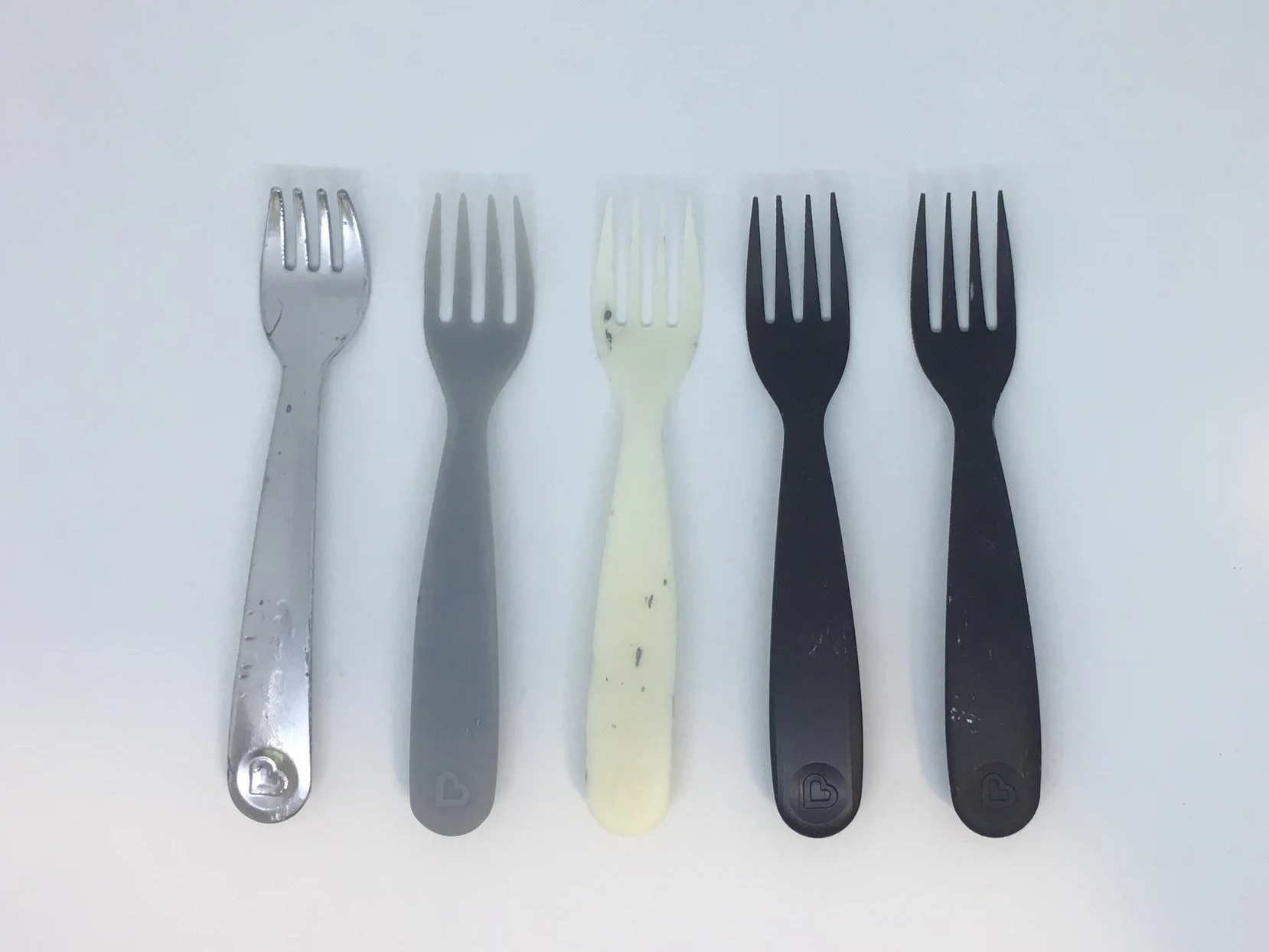
The manufacturer produced a series of physical prototypes, each with slight variations in shape and size, which were then tested and reviewed to assess usability and manufacturing quality.
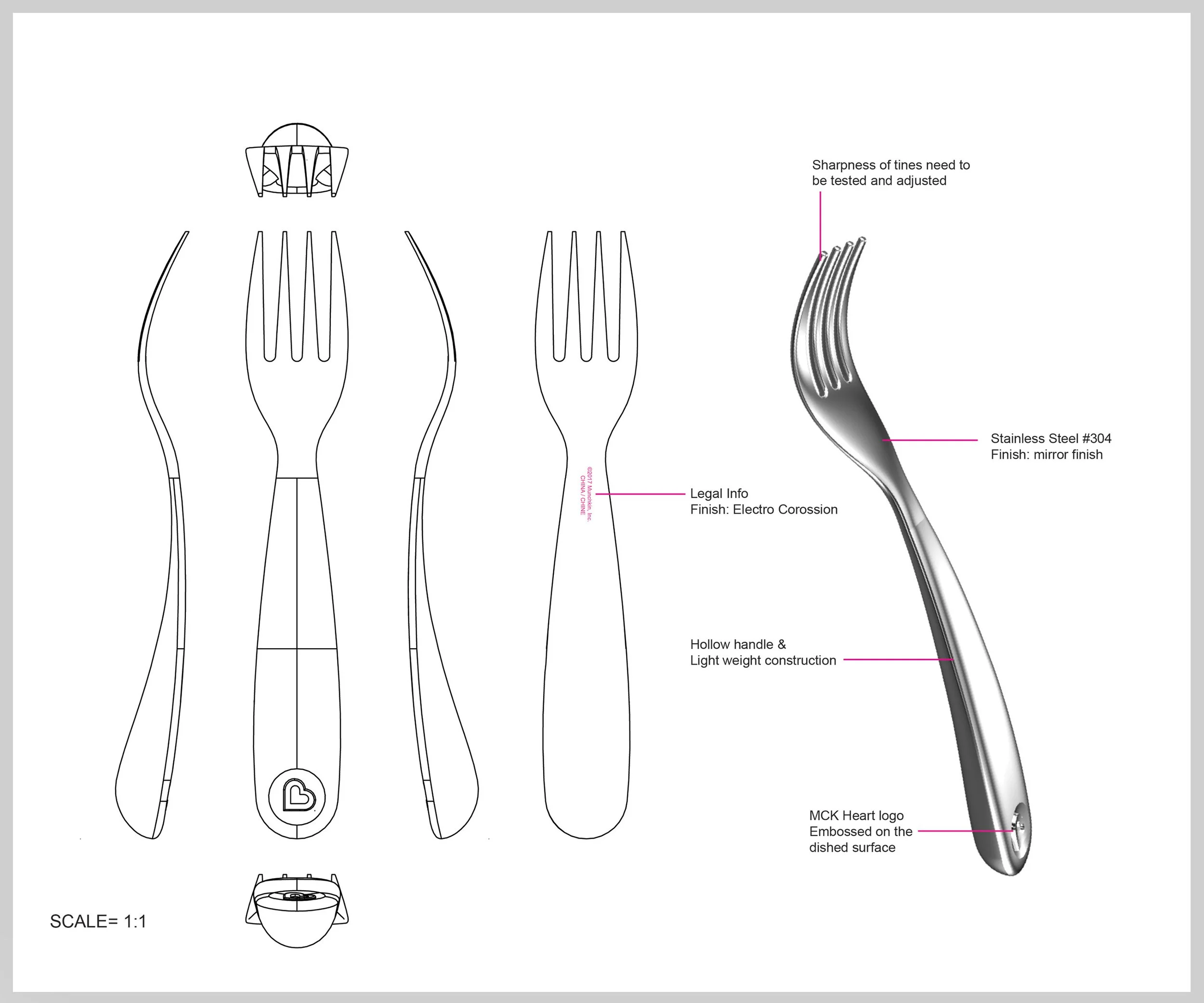
CMF
Color-material-finish specification was created for costing and sample making purposes.
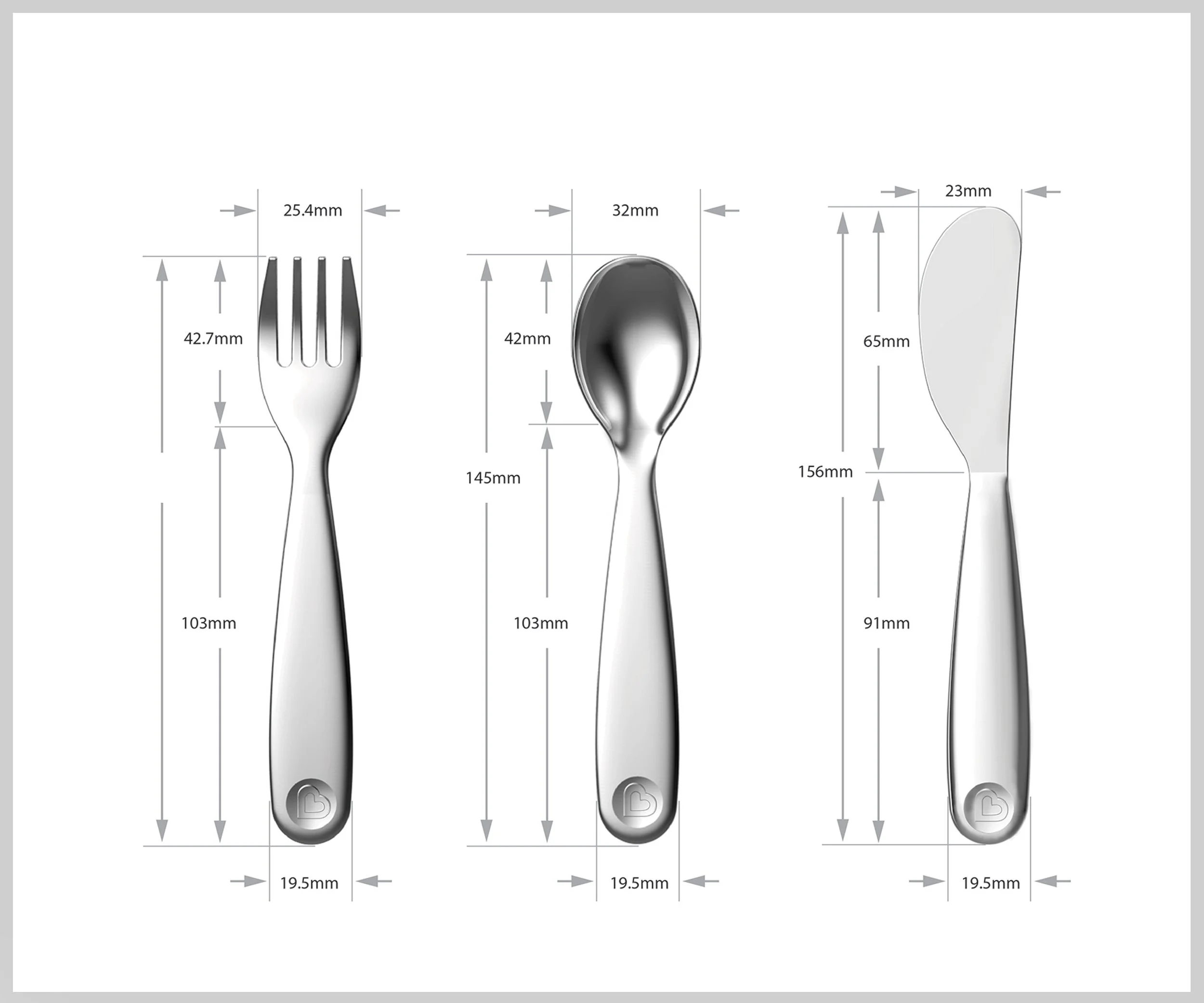
PRODUCT VISUALS AND INSTRUCTION MANUAL DRAWINGS
Created 2D and 3D visual assets for Sales presentations and instruction manuals.
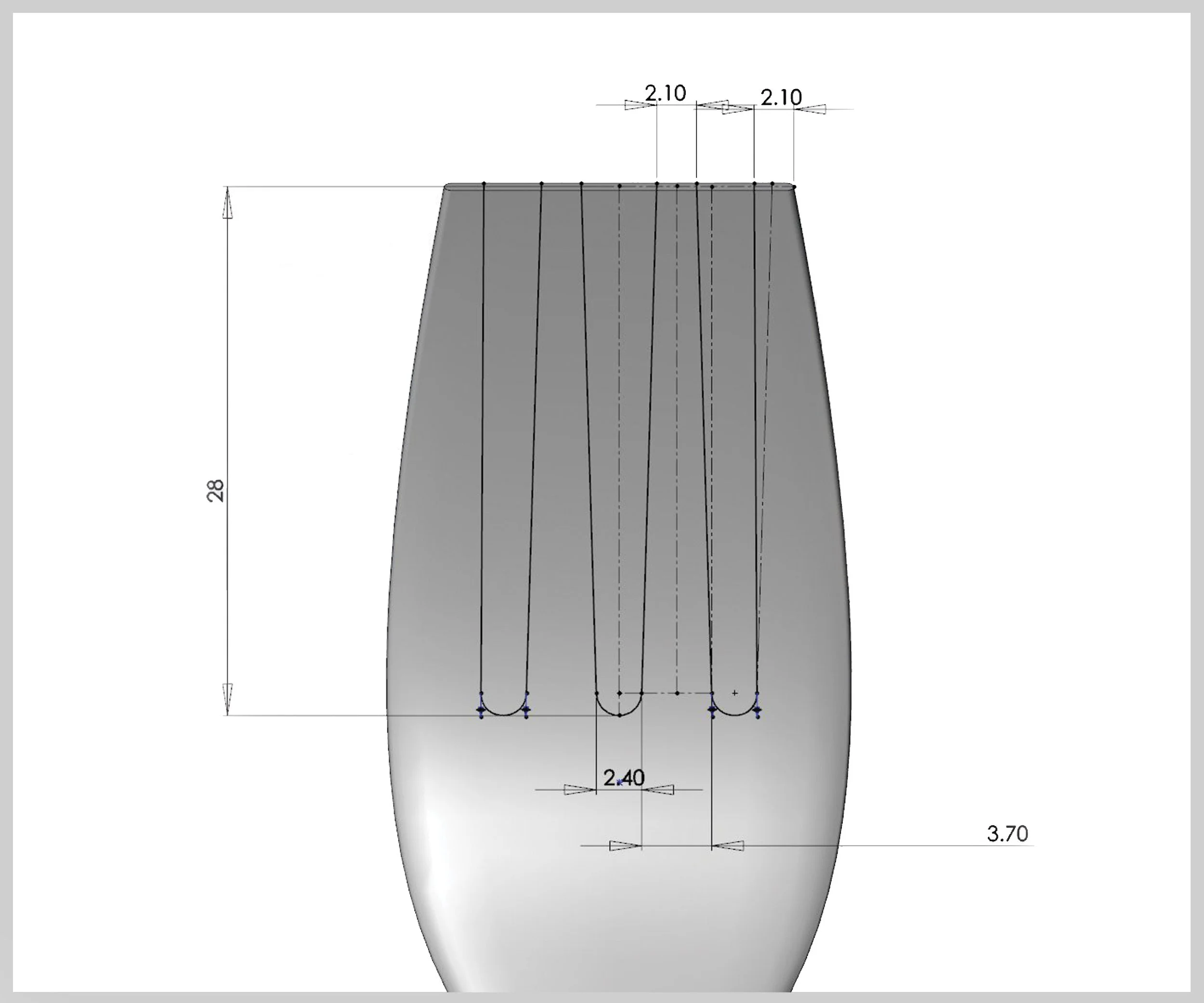
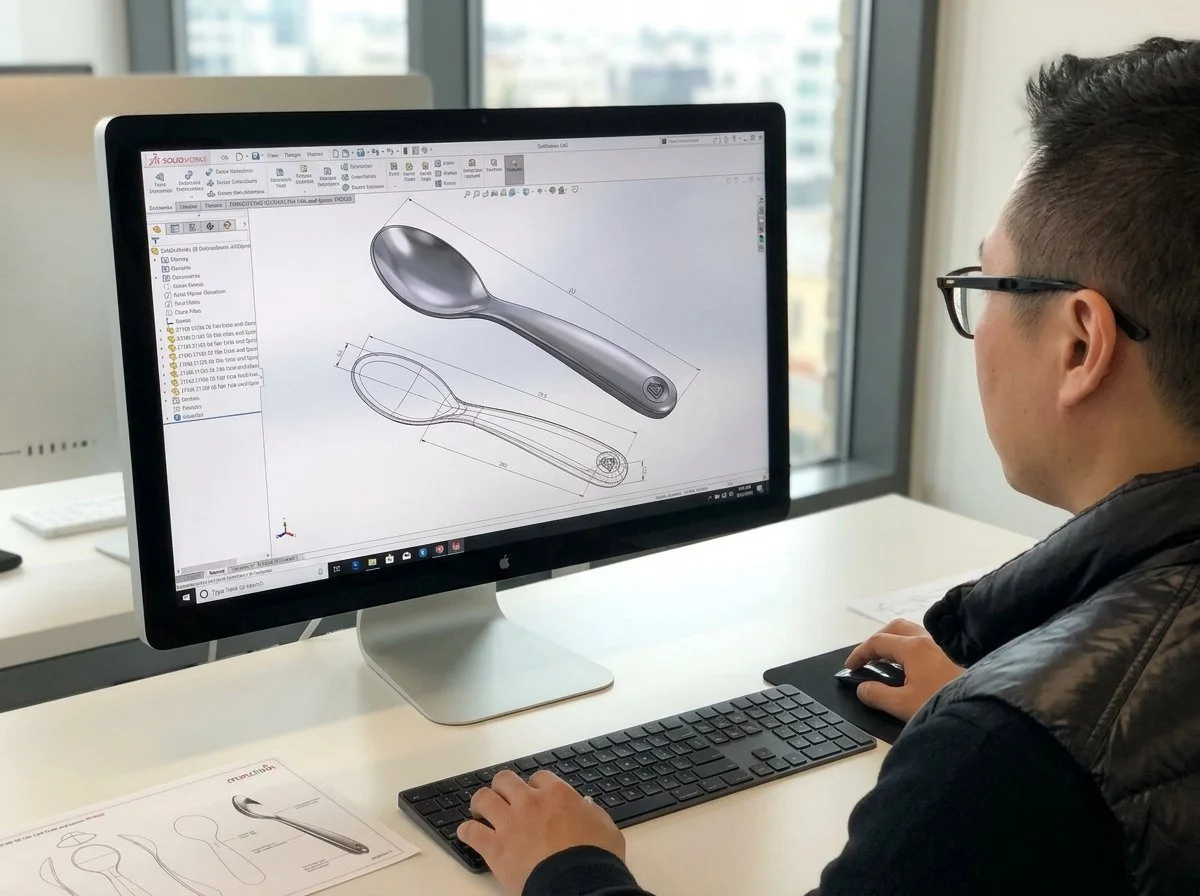
3D CAD
Based on research findings, detailed 3D CAD models were meticulously crafted using Solidworks, ensuring precision and accuracy in representation.
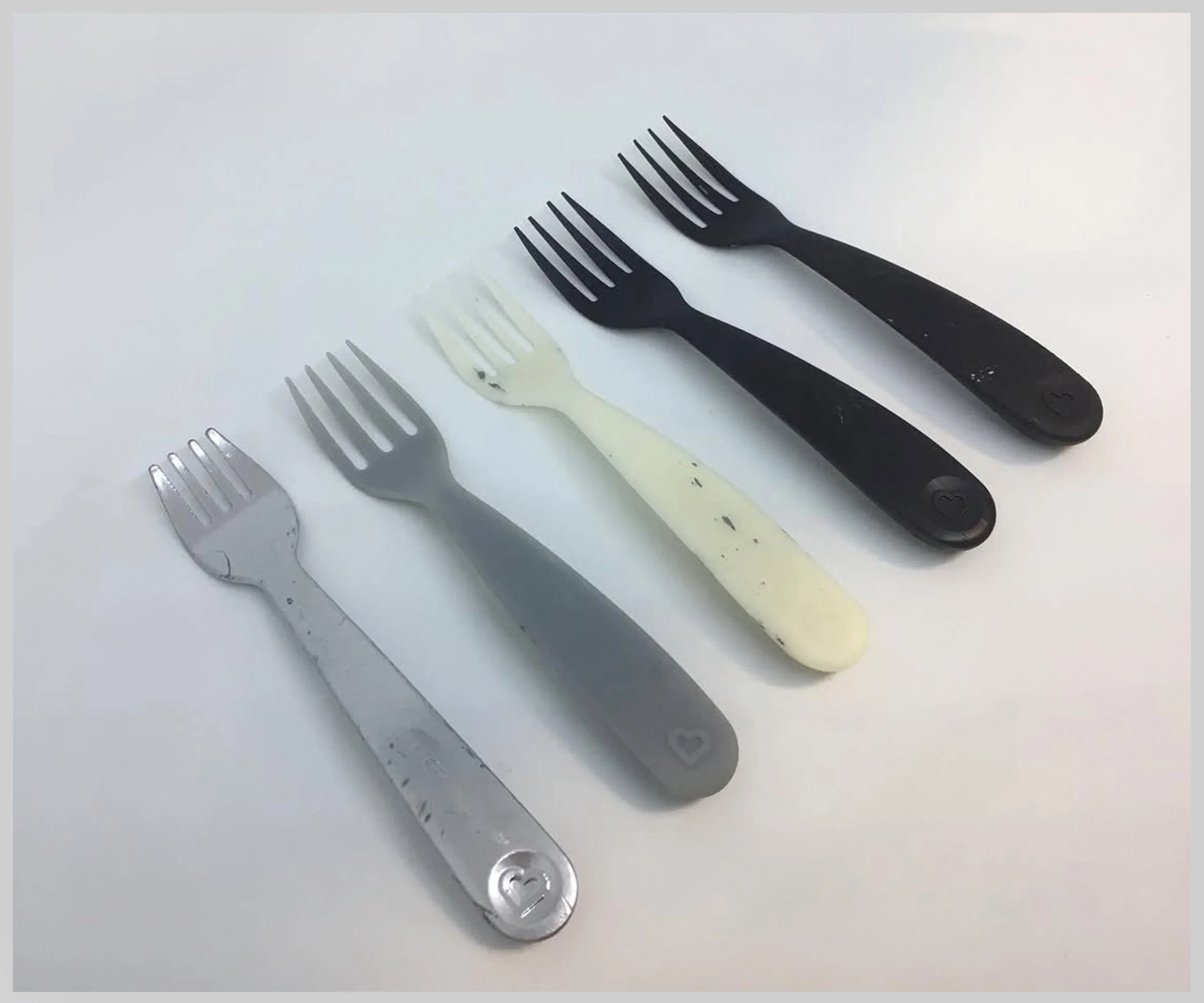
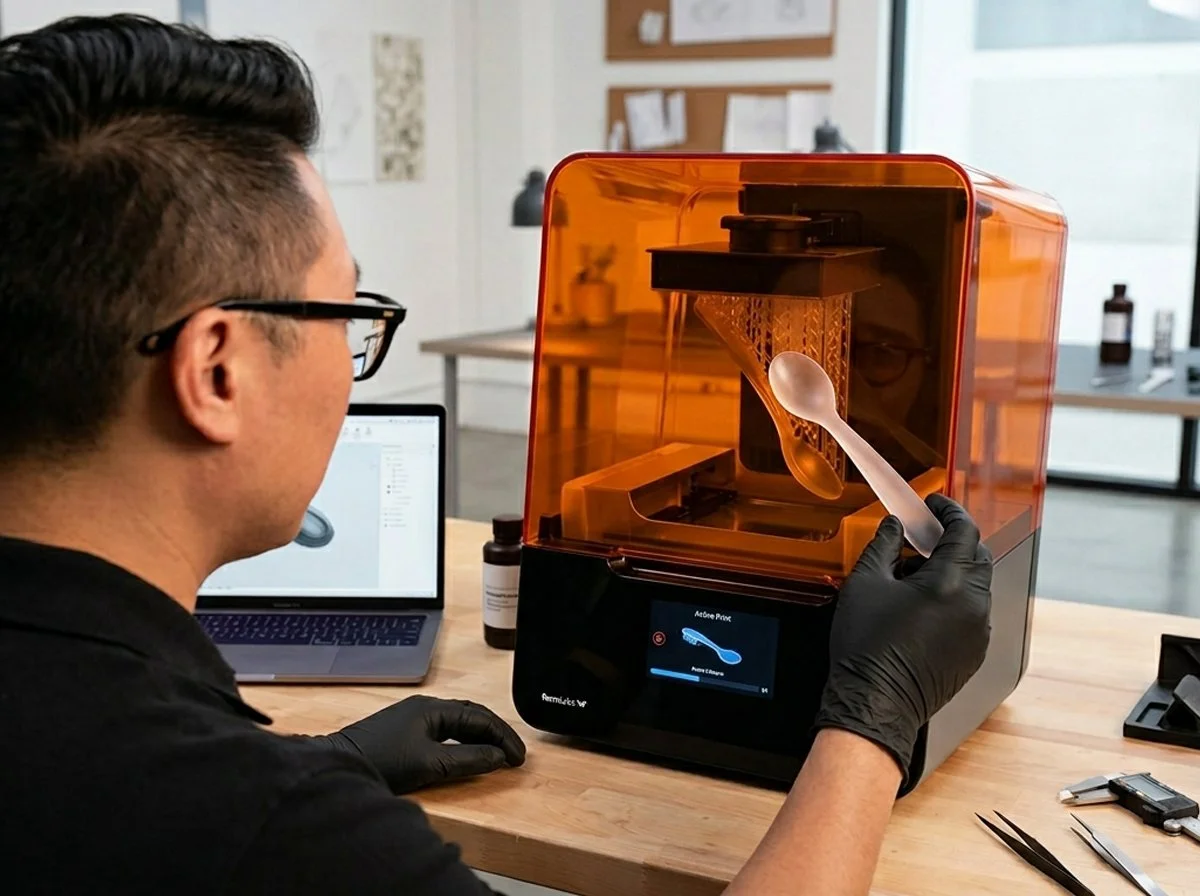
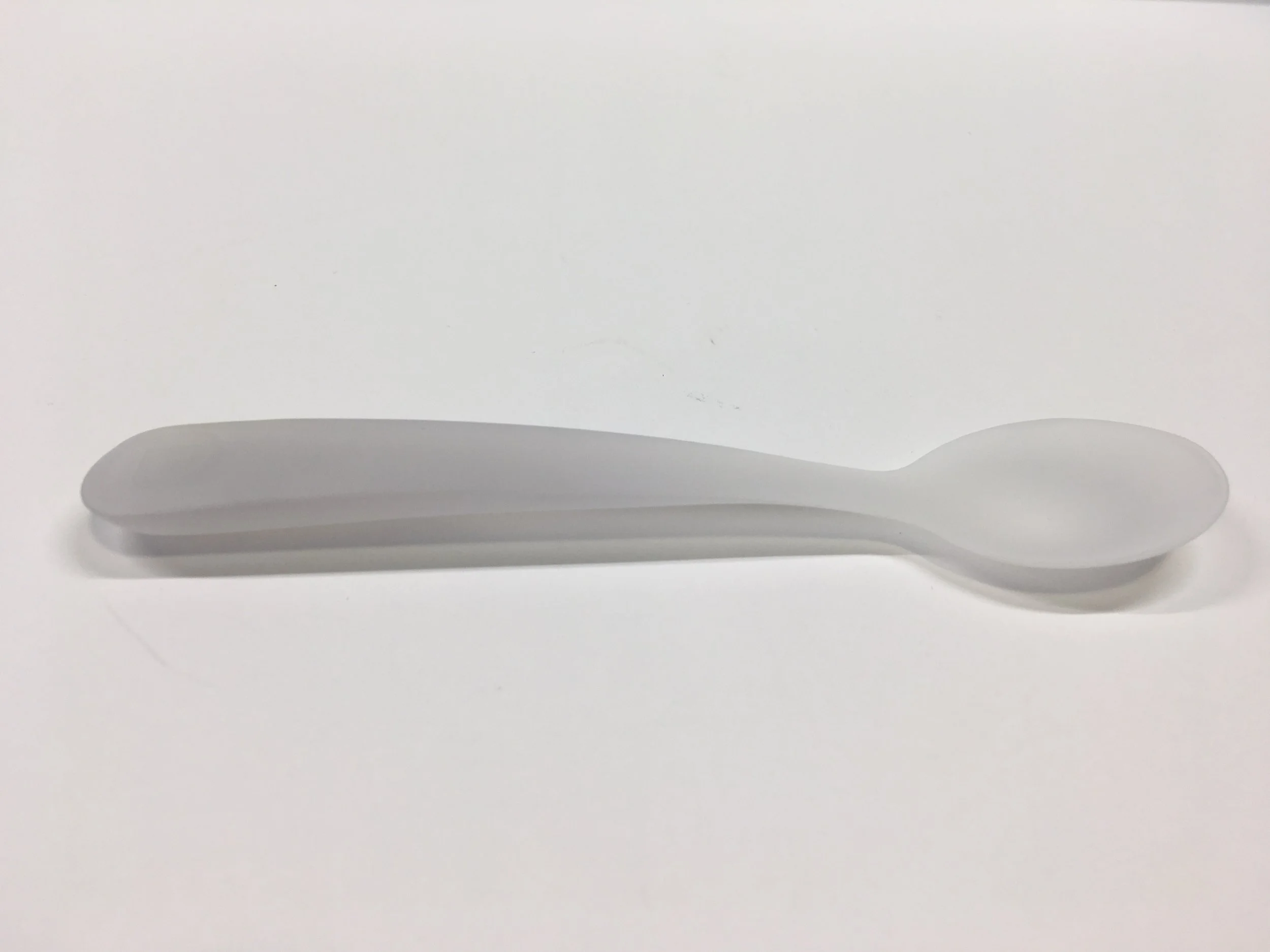
PROTOTYPING (3D PRINTING)
3D printed prototypes were developed and evaluated with stakeholders to validate form, ergonomics, and functionality. The selected design was then approved for transition into manufacturer-produced physical samples.
BENEFITS & ACHIEVEMENTS
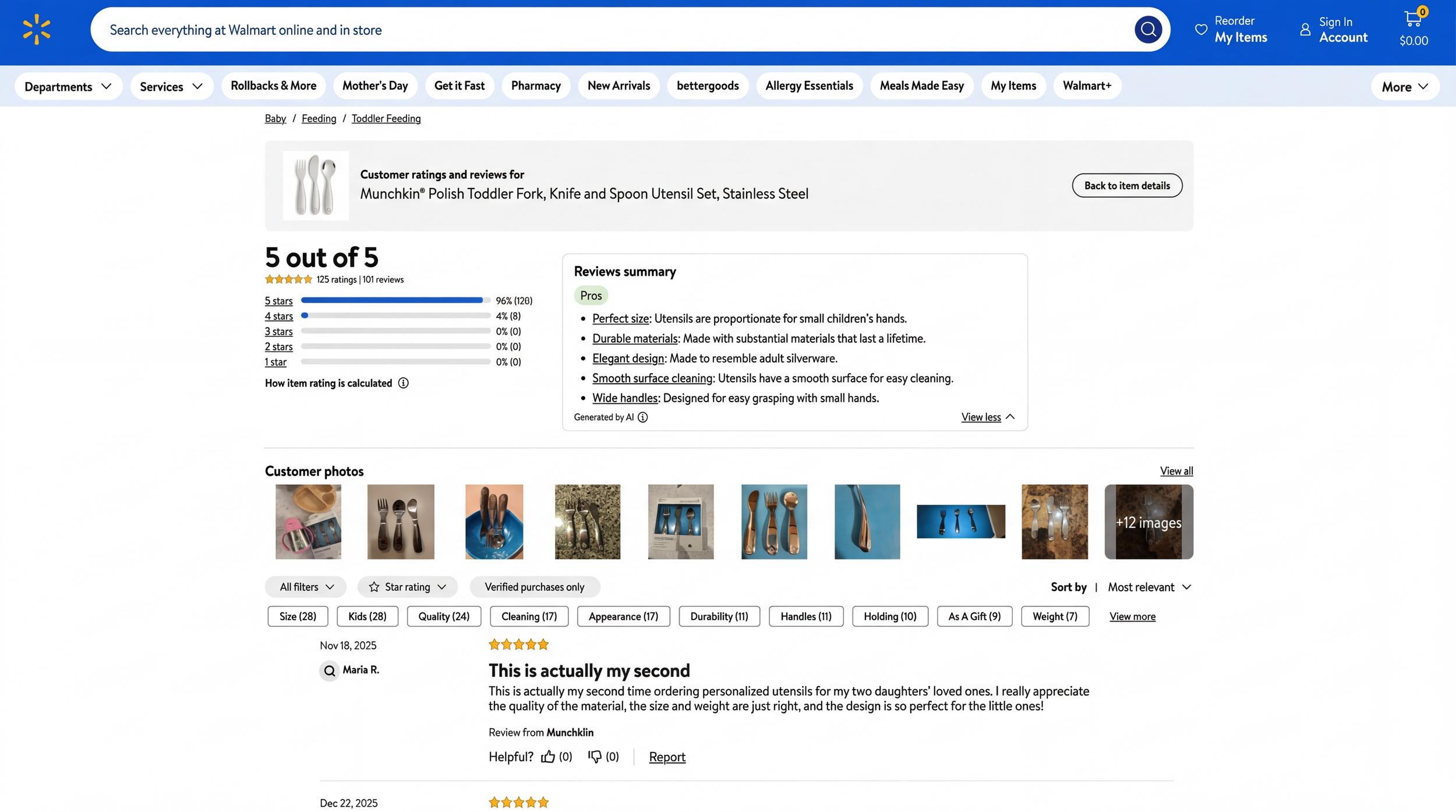
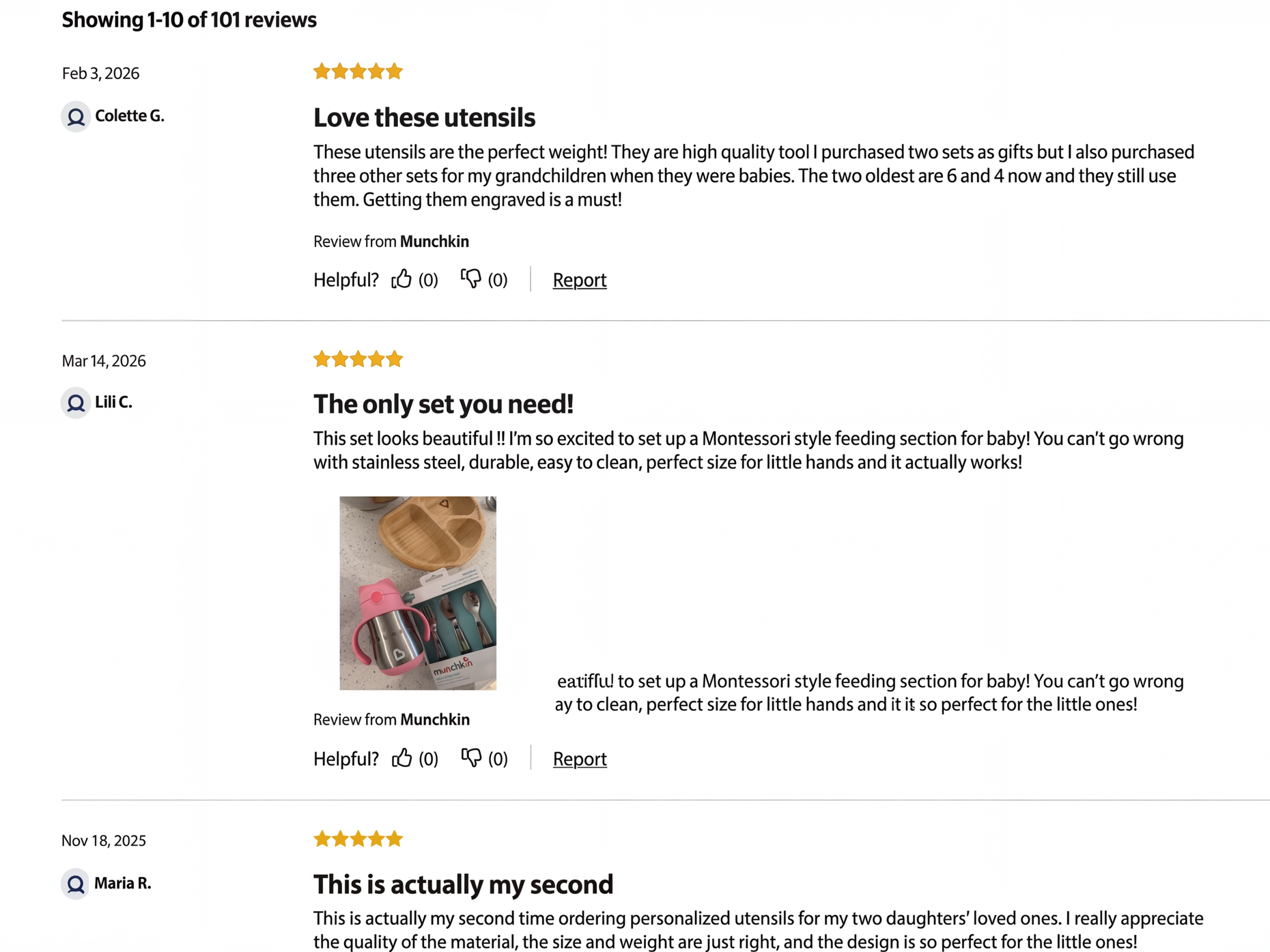
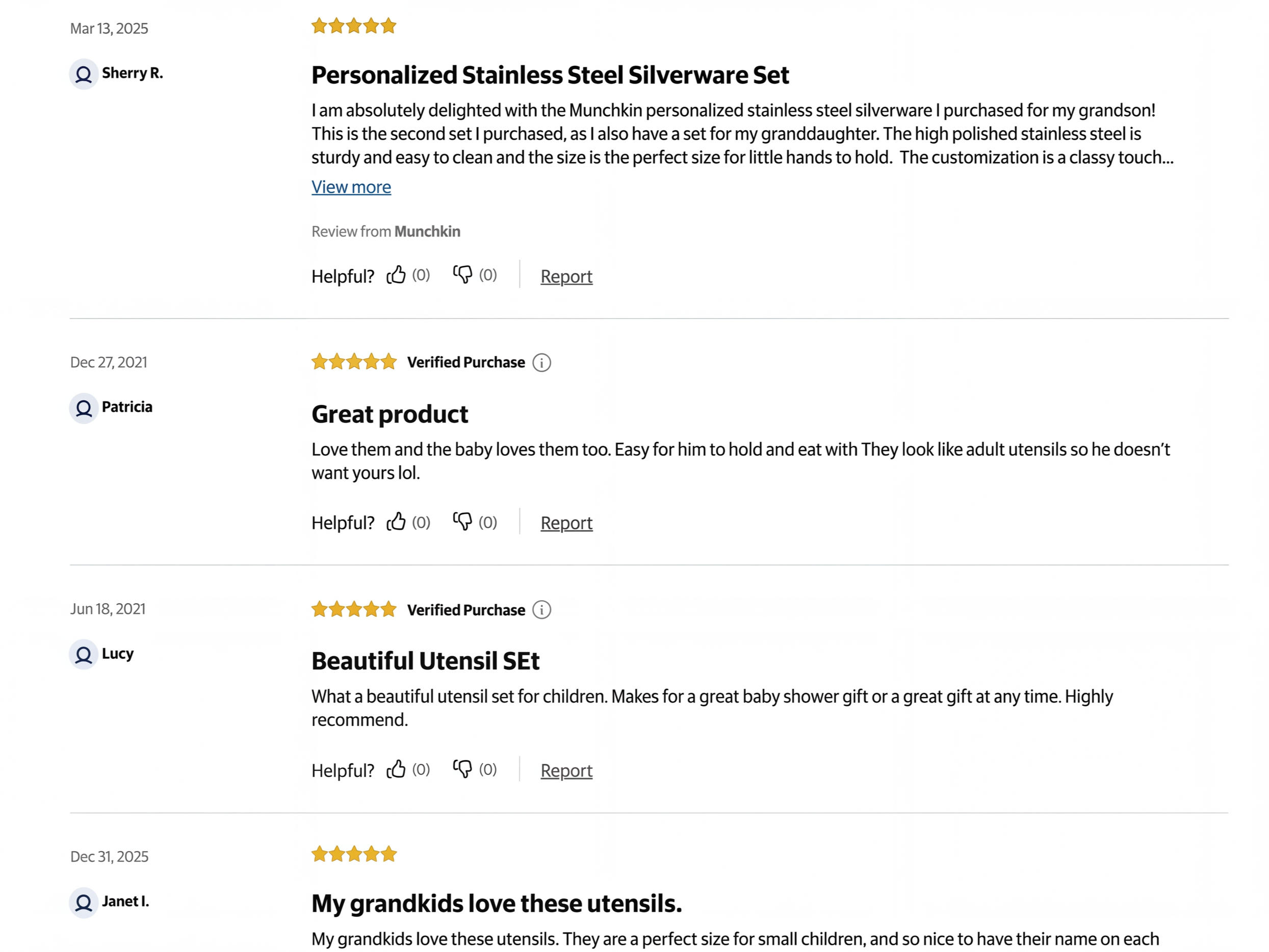
5 Star ratings on Walmart
Durable design withstands toddler use and doubles as dessert utensils (spoons, forks, spreaders)
Innovation impressed Munchkin executives, leading to premium packaging and curated gift sets
Added engraving option allows personalization, making them a popular gifting choice
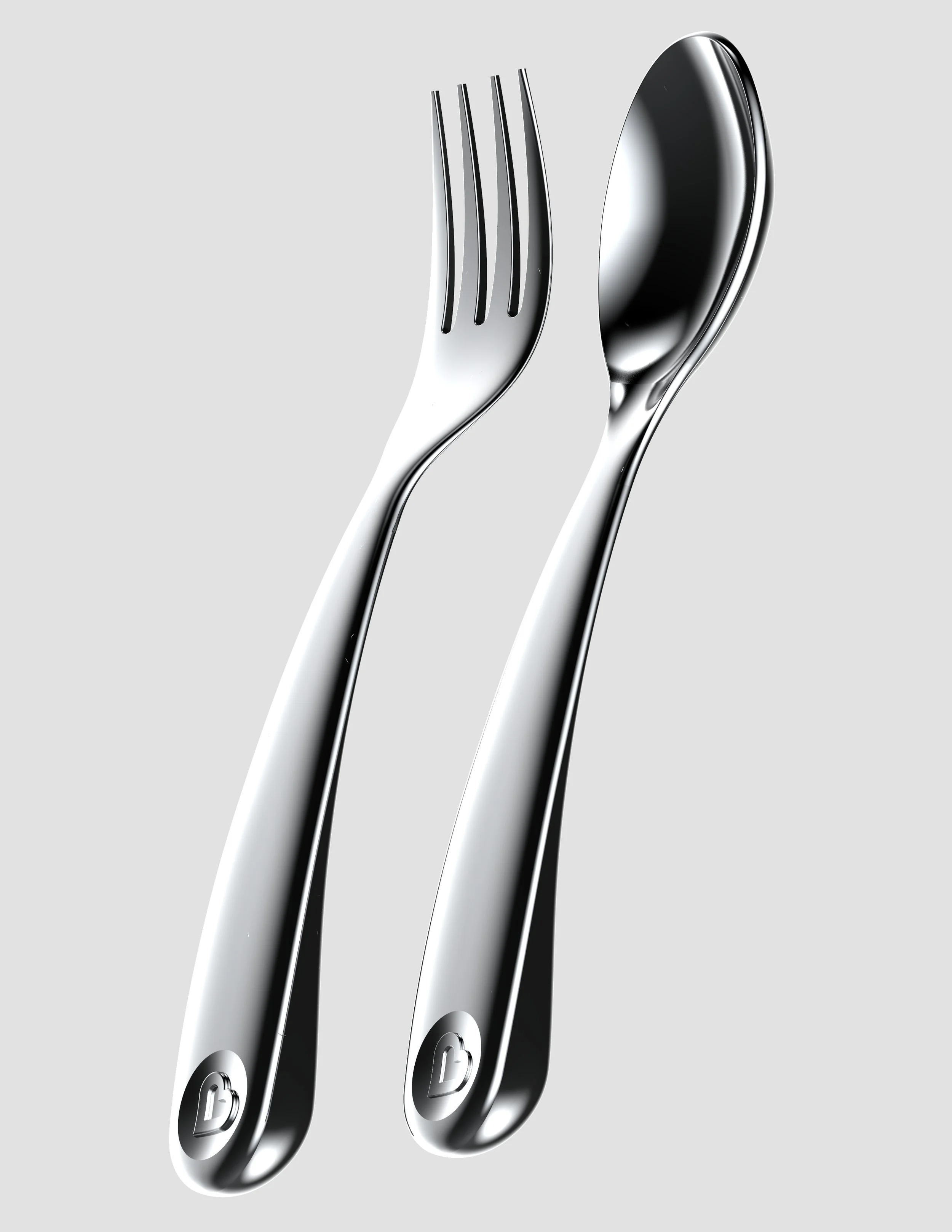
FEATURE
Spoon:
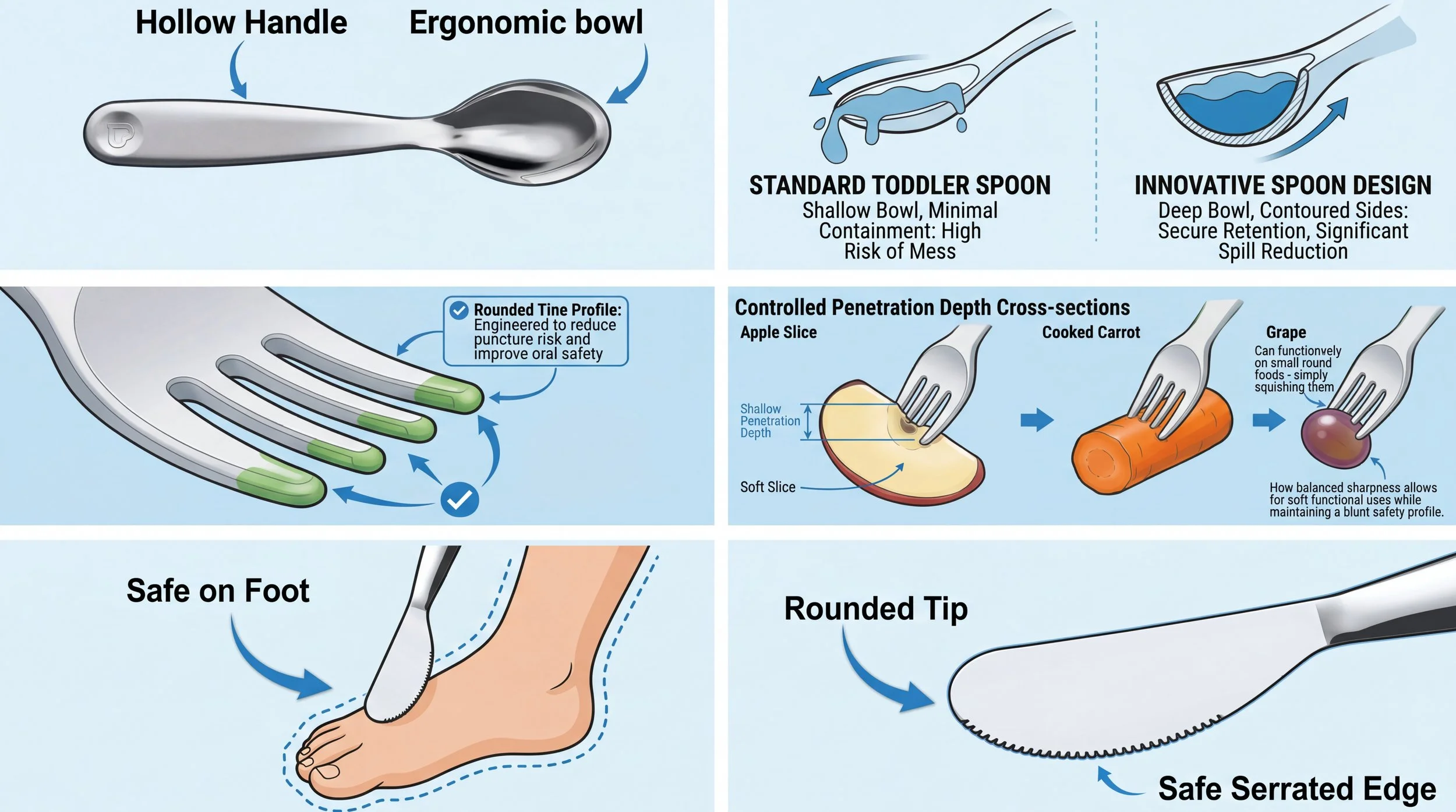
Deep, contoured bowl reduces spills and secures food better than standard toddler spoons
Rounded edge reduces puncture risk for safer feeding
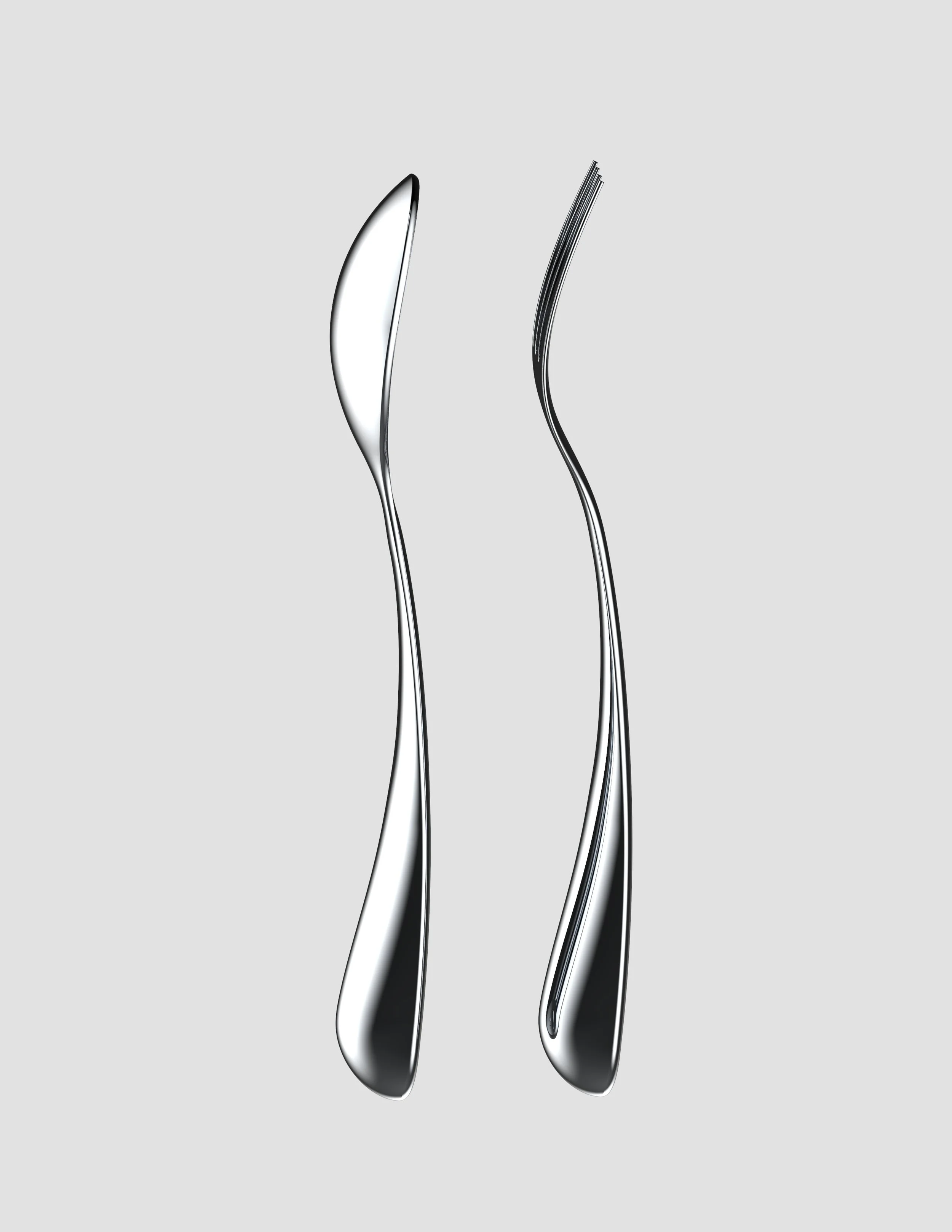
Hollow handle for reduced weight and easy grip for small hands
Fork:
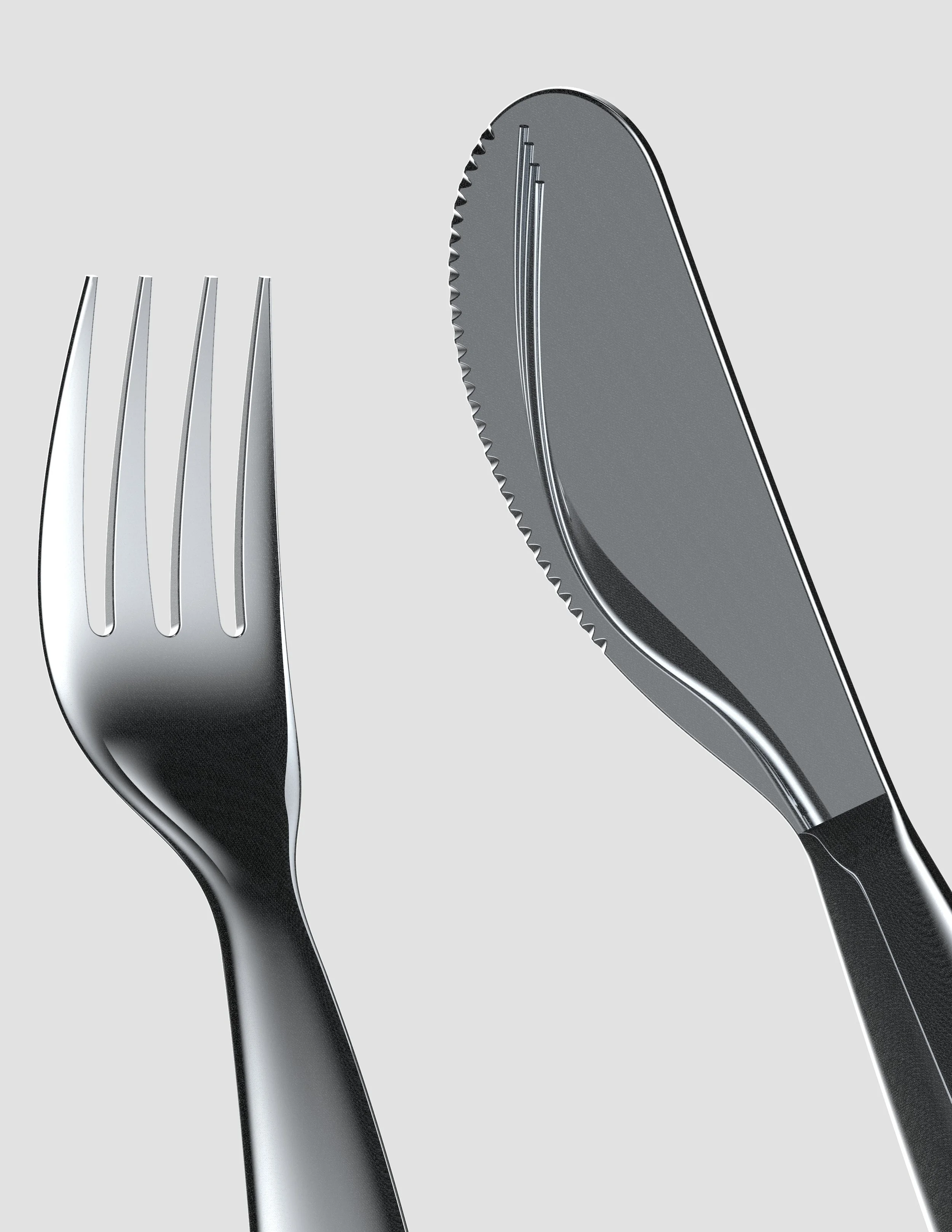
Controlled penetration depth designed for soft foods like apples and carrots
Rounded tines reduce puncture risk while maintaining safe piercing
Slightly curved tines prevent it from going too deep into the throat
Knife:
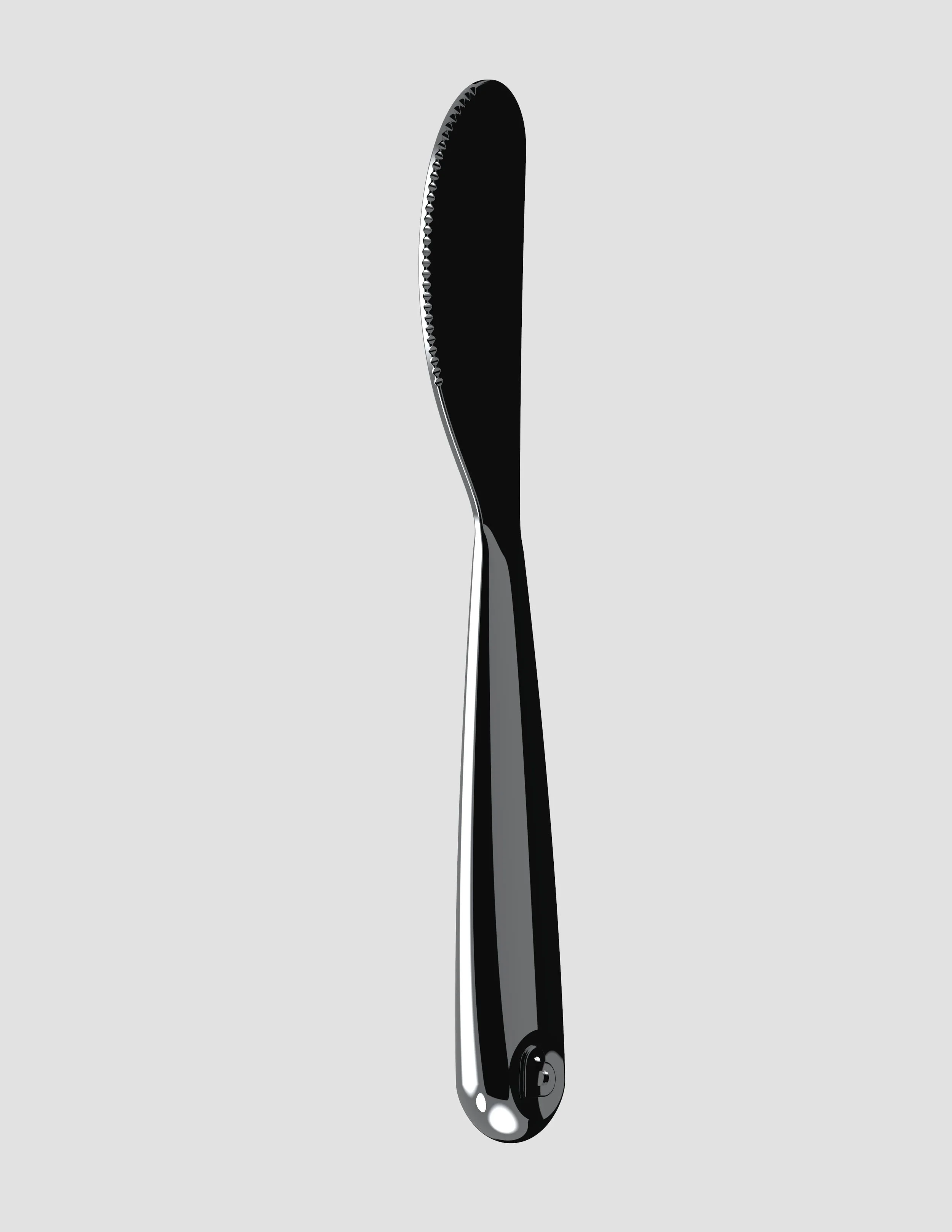
Rounded, blunt edges throughout for safety if dropped or contacted with skin
Safe serrated edge cuts food effectively without sharp points
Ergonomic hollow handles fit small hands and support developing motor skills