SAMSUNG DESIGN LANGUAGE PROJECT

Envisioning next generation of Samsung mobile phones

Brand: SAMSUNG
Development: 2007

Global design vision for the future of Samsung Mobile

In 2007, the new CEO tasked select global Advanced Design Teams to define Samsung’s future design language.
I focused on the Sporty Casual segment, envisioning simple forms with bold CMF integration and proposing new innovations for evolving mobile behaviors.
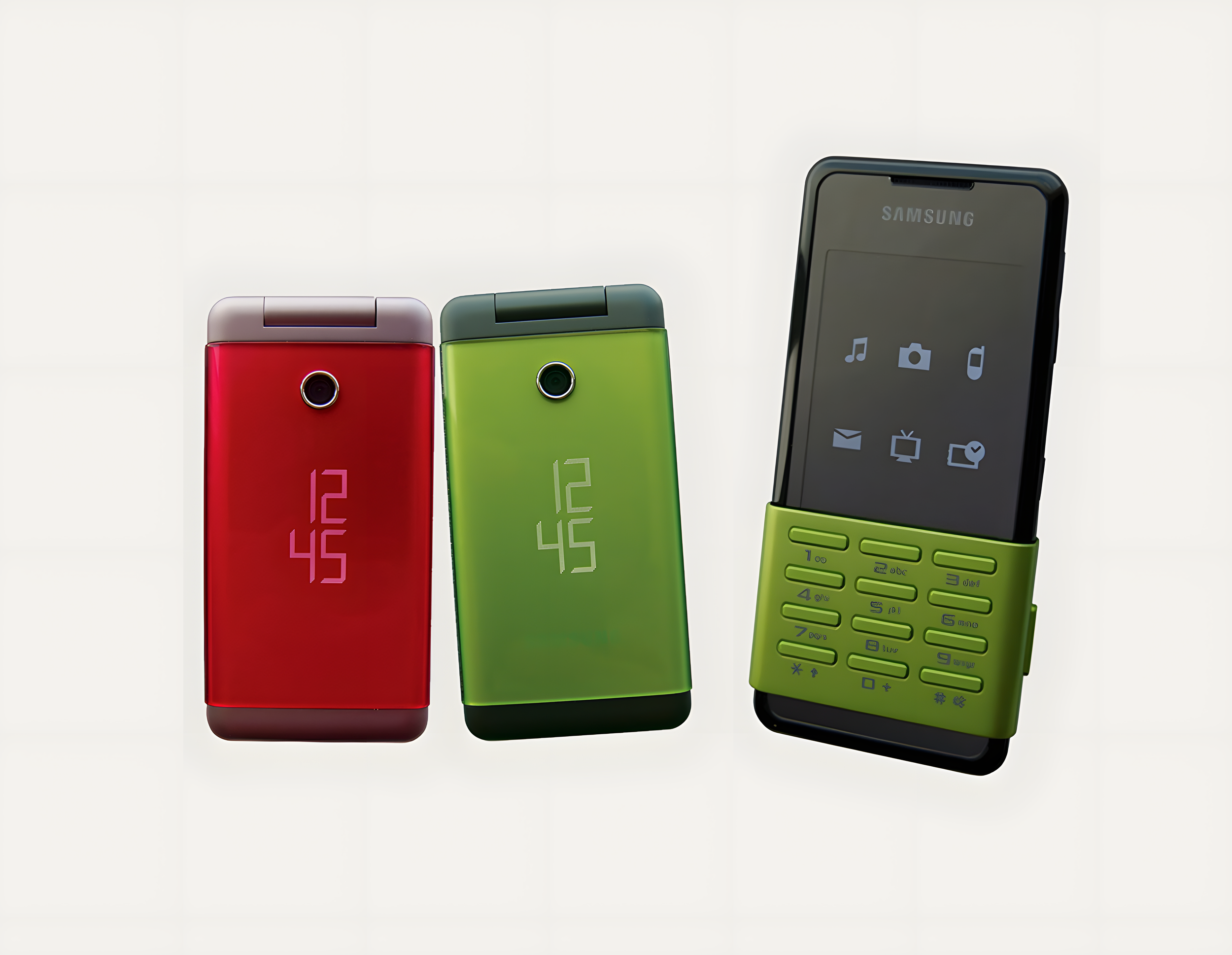
Three modern flip phones in red, green, and black, with the black one opened showing a screen and keypad, displayed on a white background.
Four young people posing together, with a Levi's logo and '501 Jeans' branding in the corner, against a plain background.

BRIEF

SPORTY CASUAL

Envision the Sporty Casual user group, asking who they are and what they care about. Explore the designs that bring personalities.
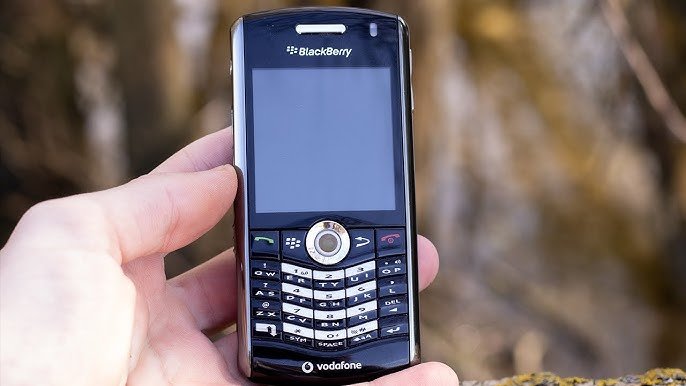
Hand holding a Blackberry cell phone outdoors.

FUTURE OF TEXTING

Envision the future of texting in mobile phones. How might emerging technologies reshape behaviors, and what innovations could enhance the experience for text-heavy users?

Black background with the white Samsung logo in the center.

DESIGN MOCKUPS

Create and present mockups served as future archetypes, demonstrating new directions for Samsung’s design language.

PROJECT 1: IDEATION FOR THE FOLDER PHONE

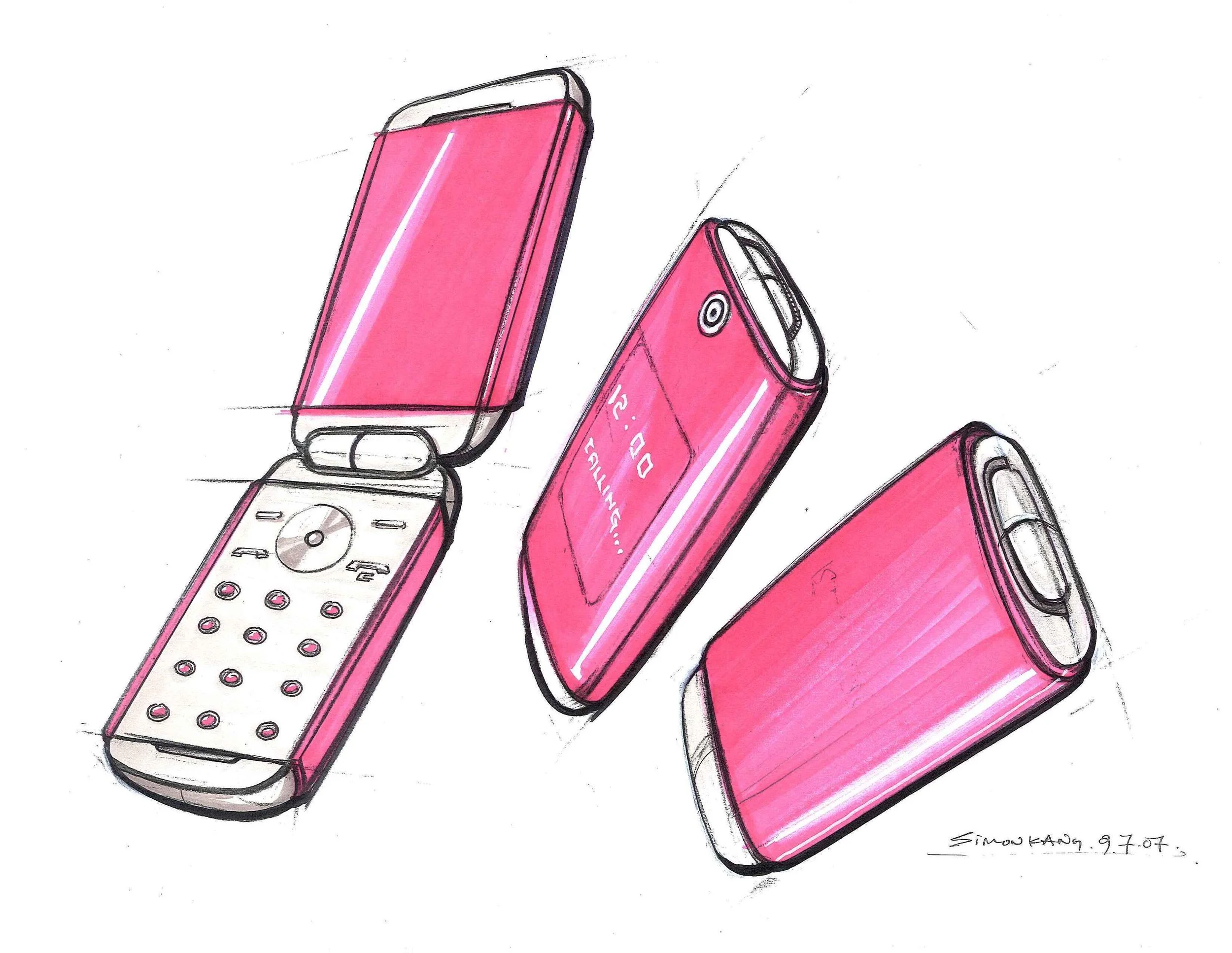
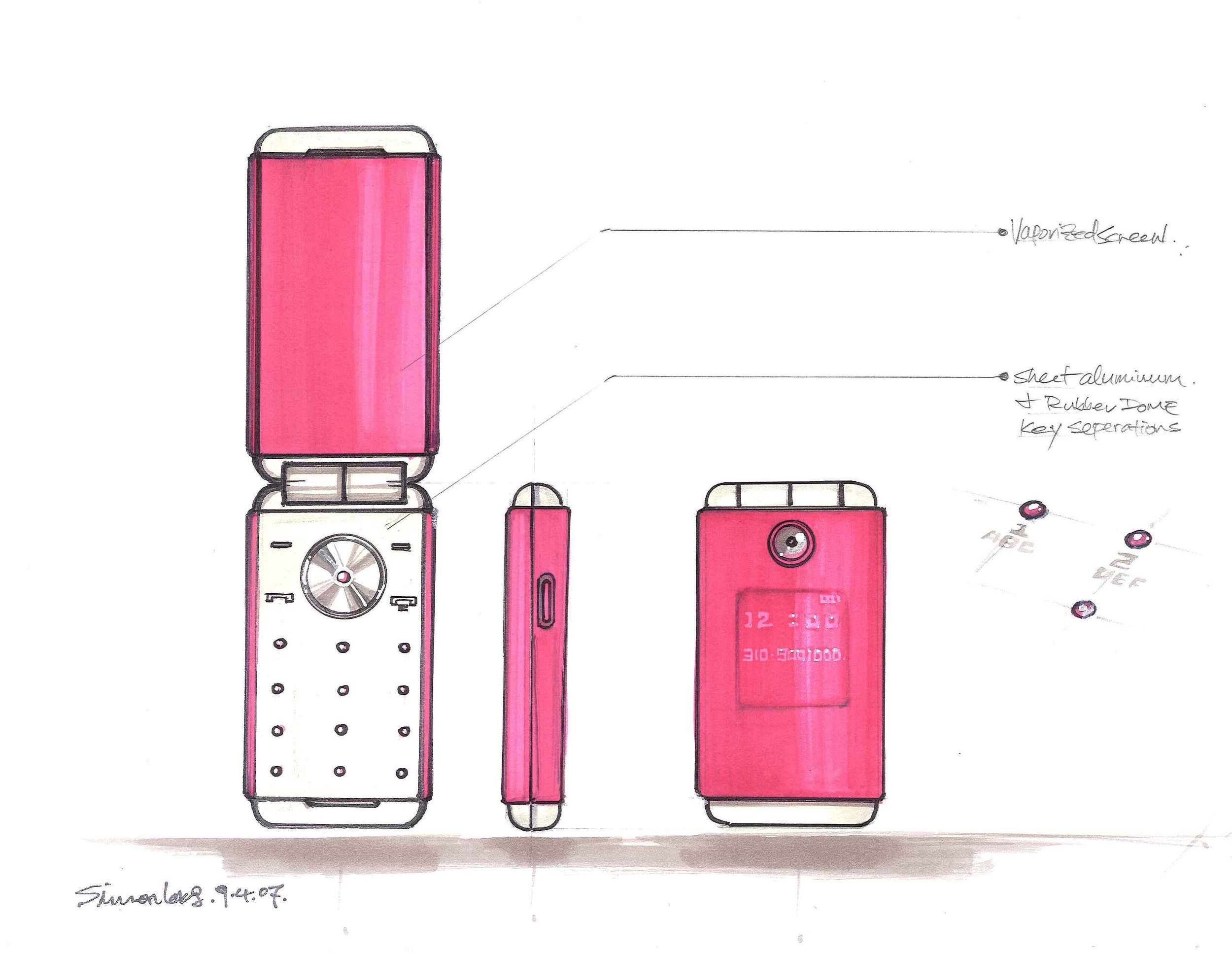
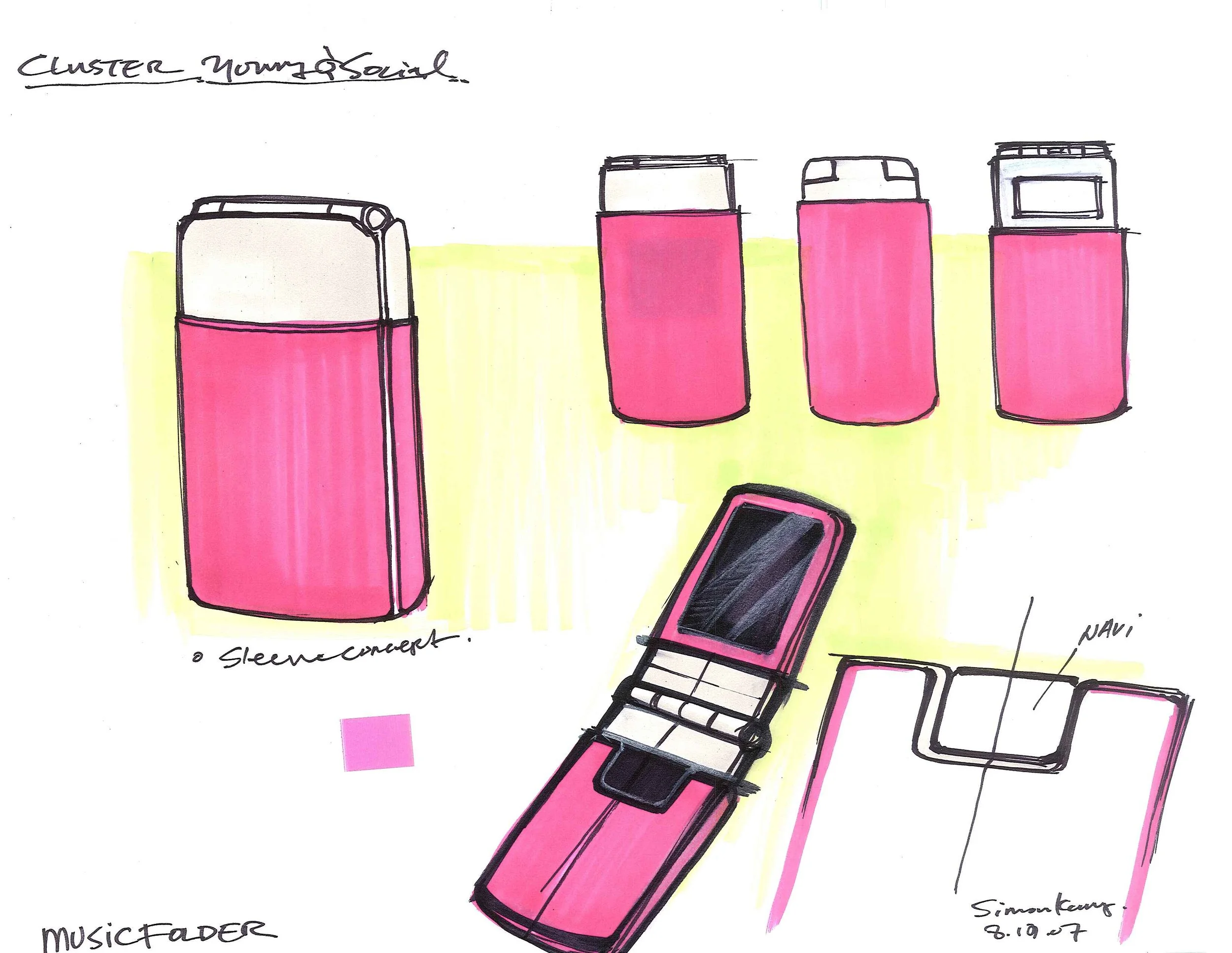
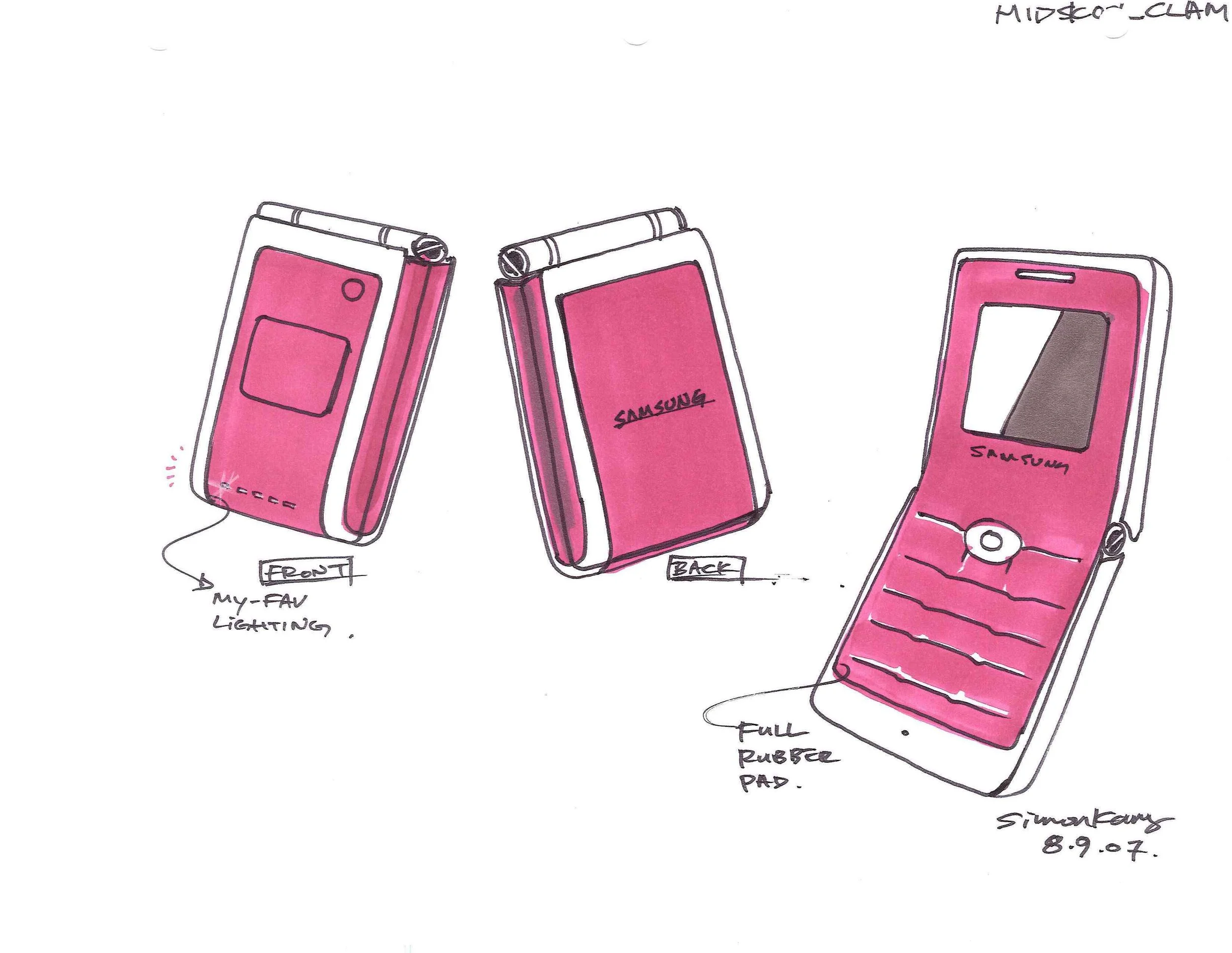
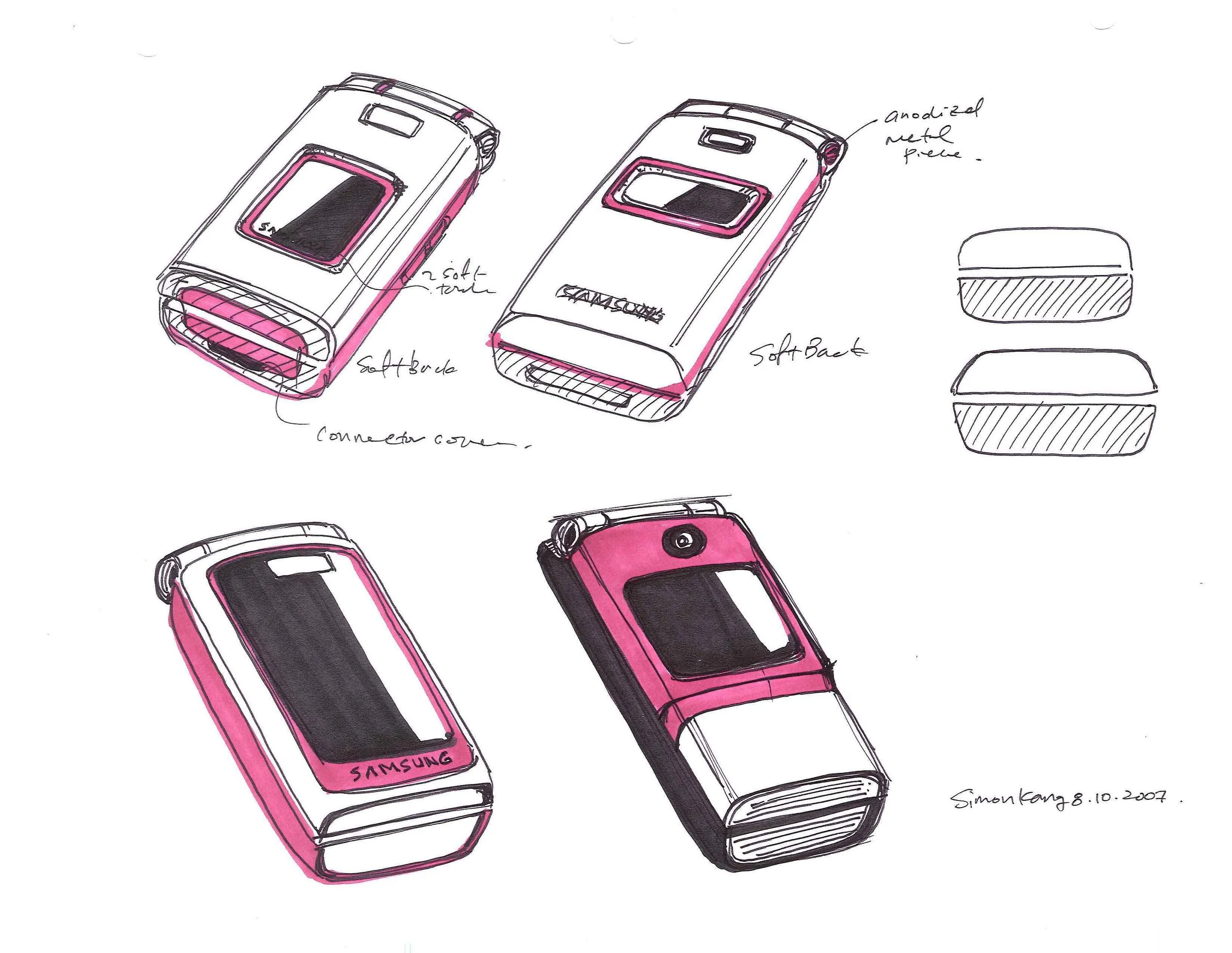
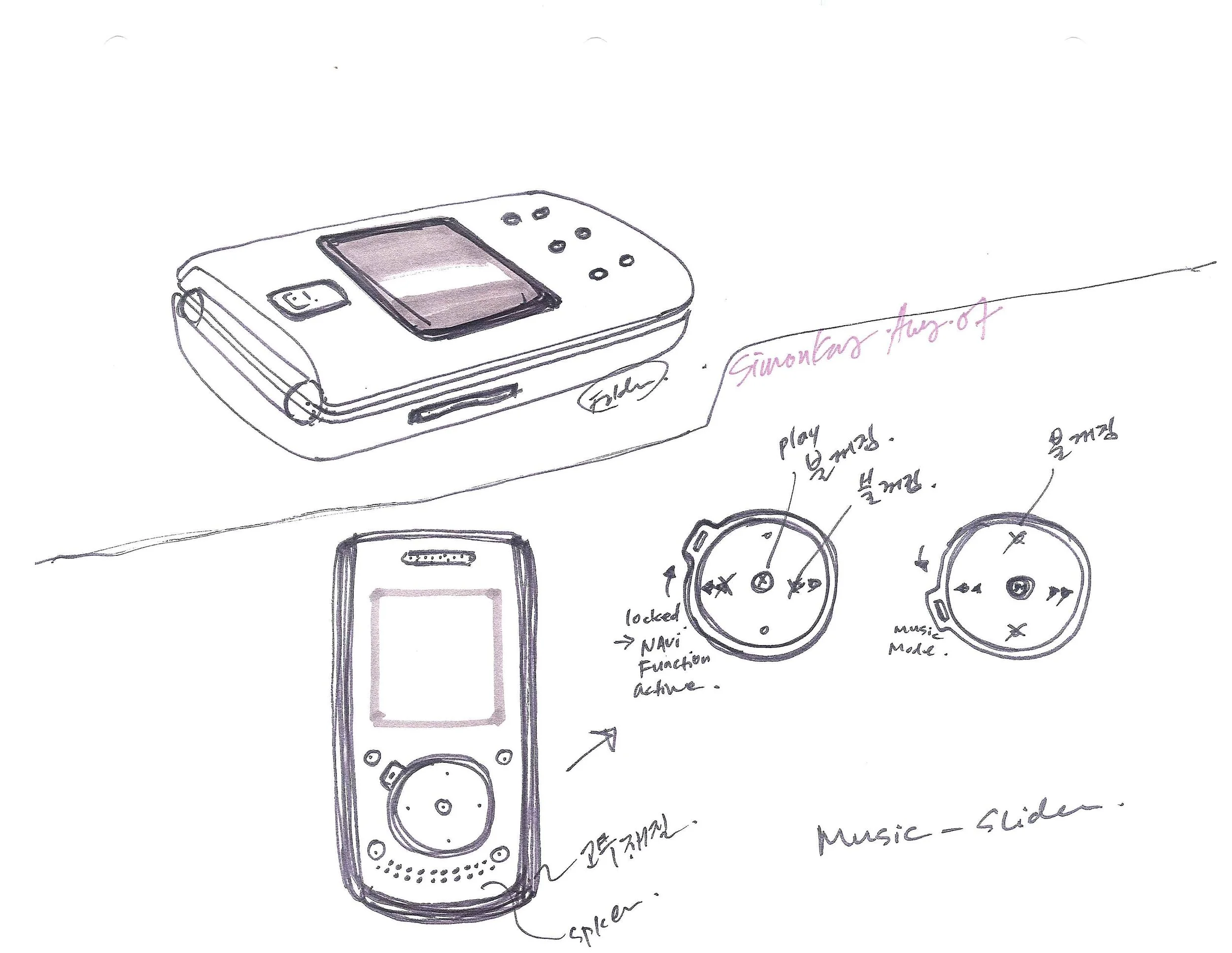
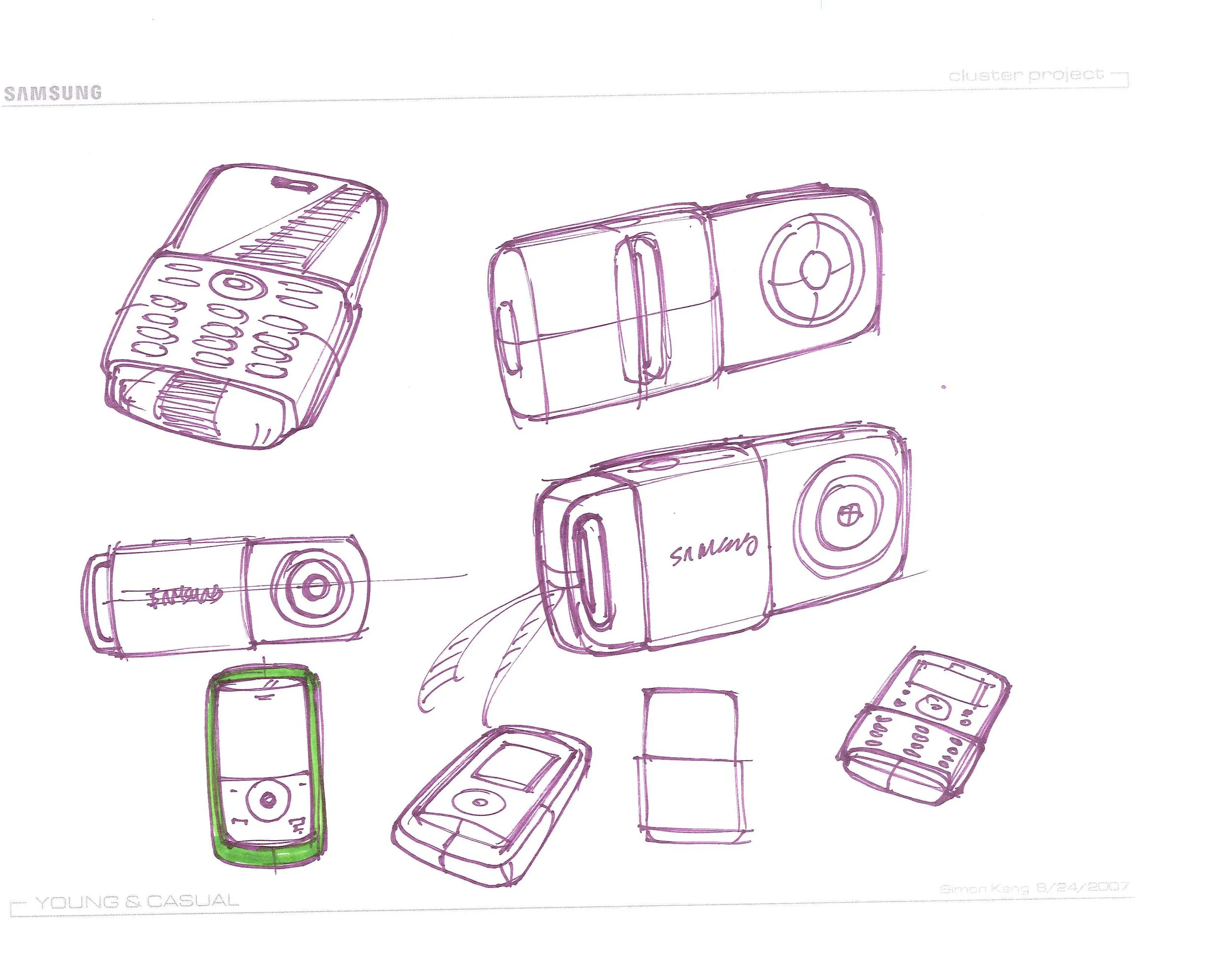
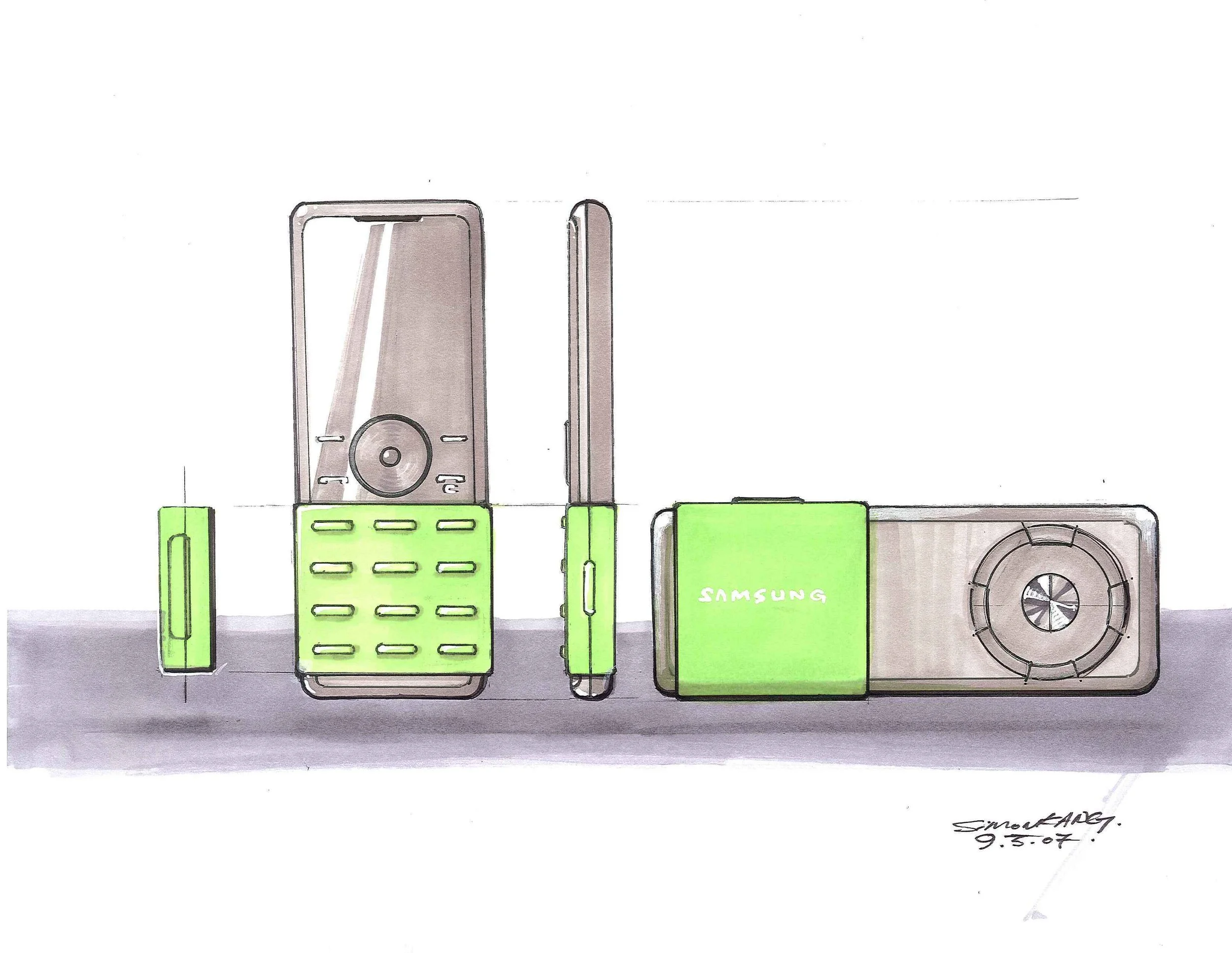
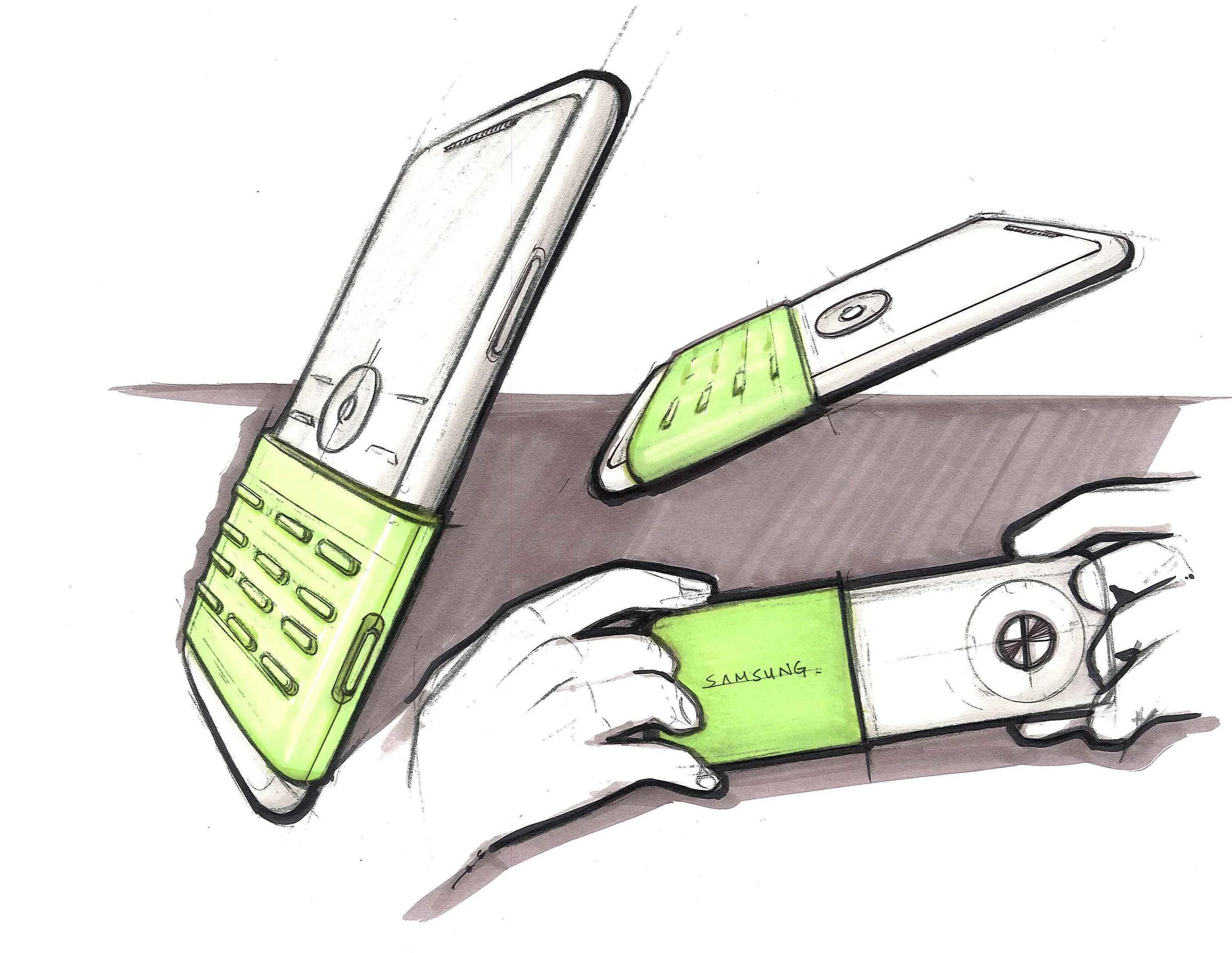
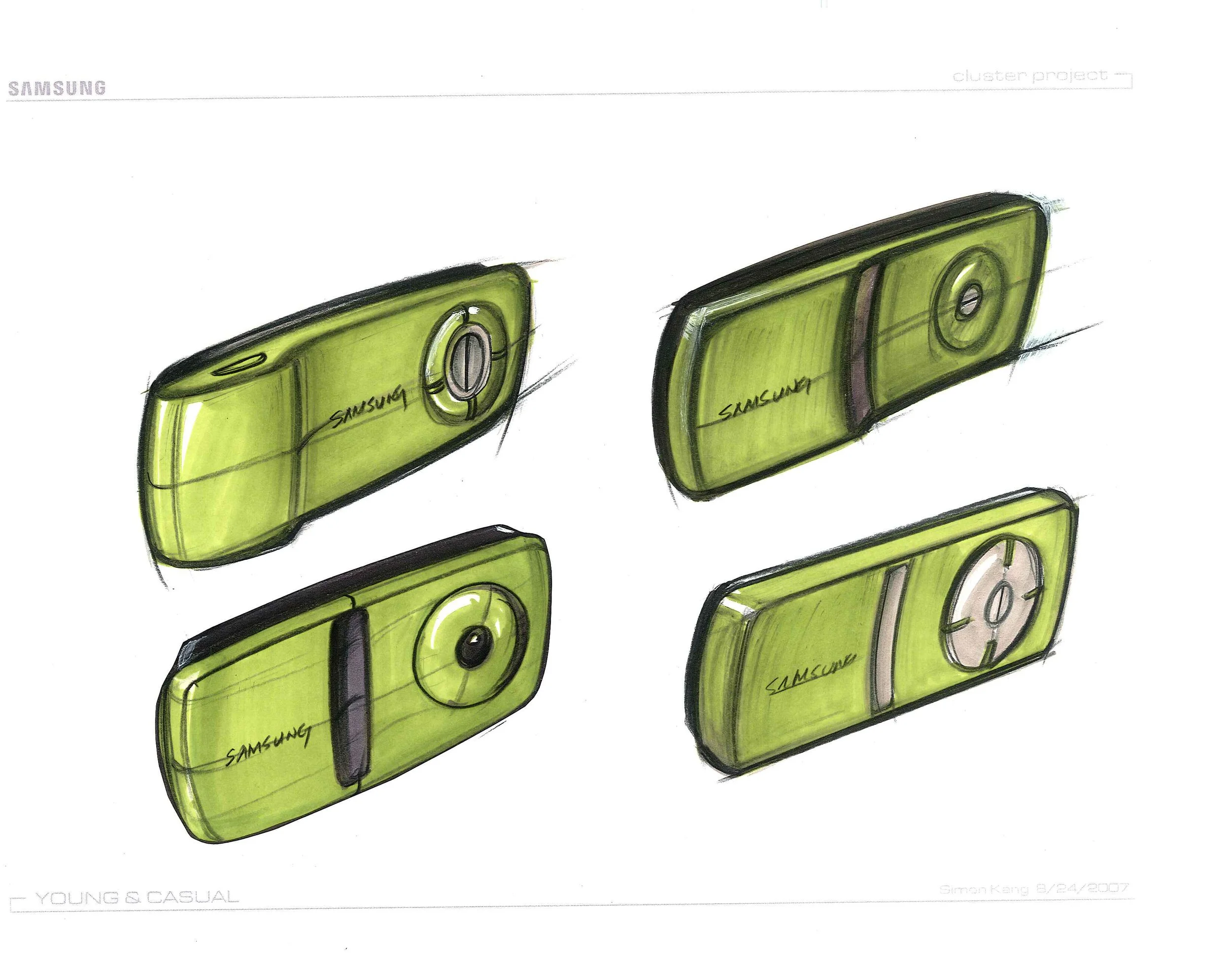
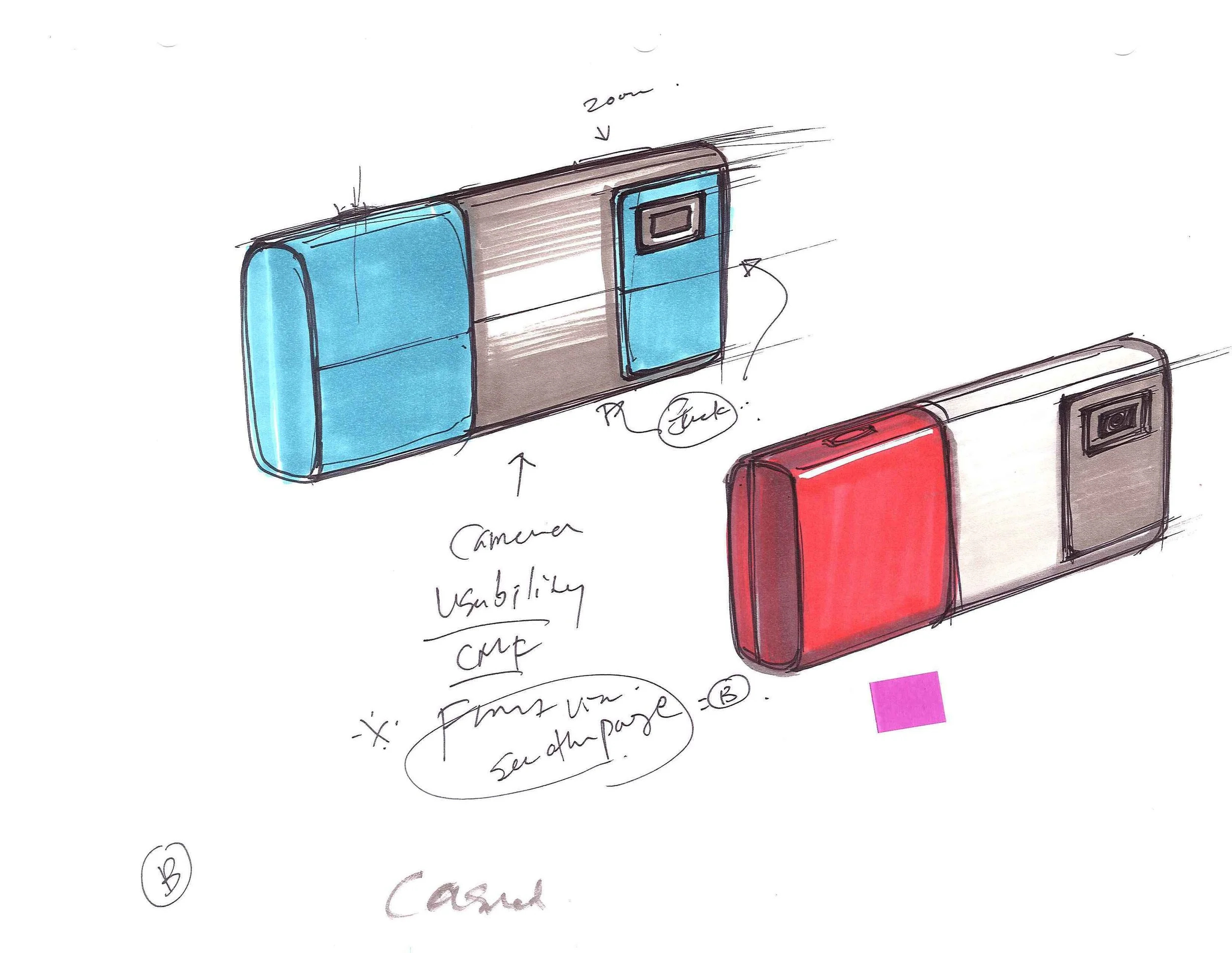
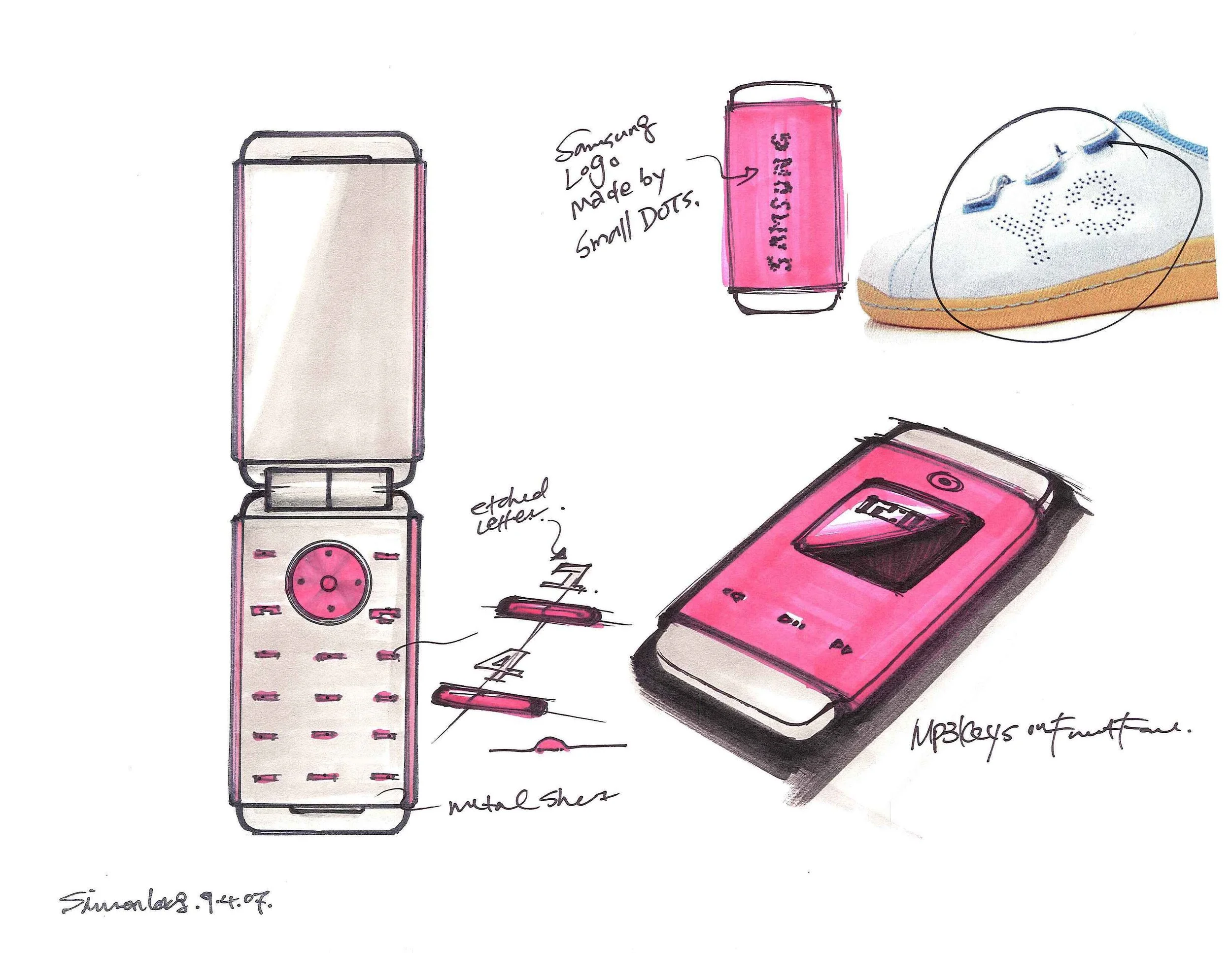
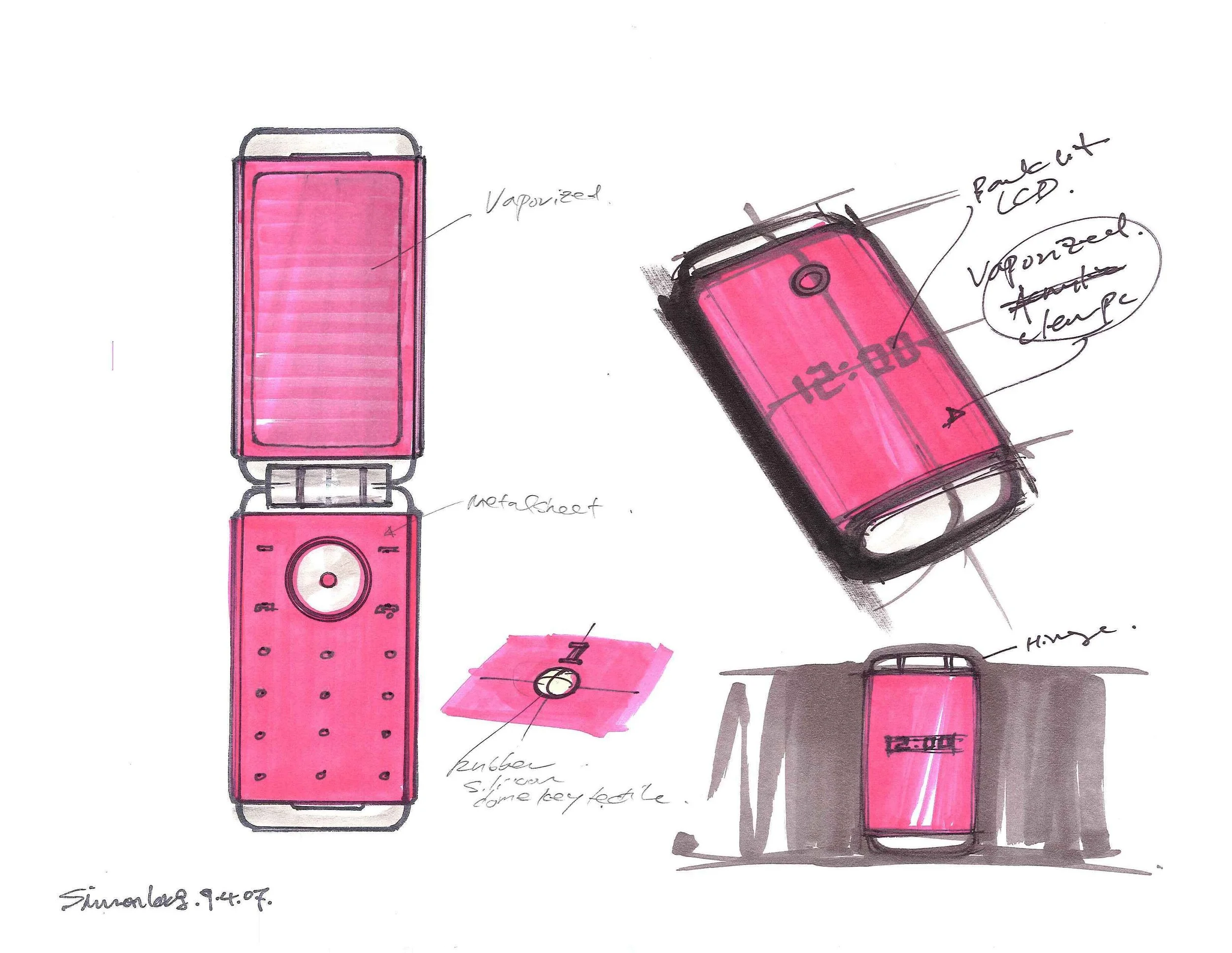
The project began with sketching as a tool of exploration and personal expression. By taking creative liberty, the sketches captured not only the functional aspects of a future Samsung mobile device, but also the emotional qualities that could define its next design language.

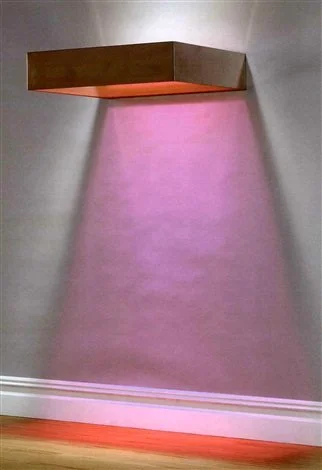
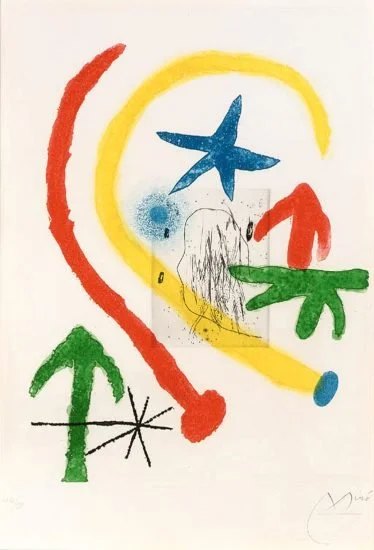
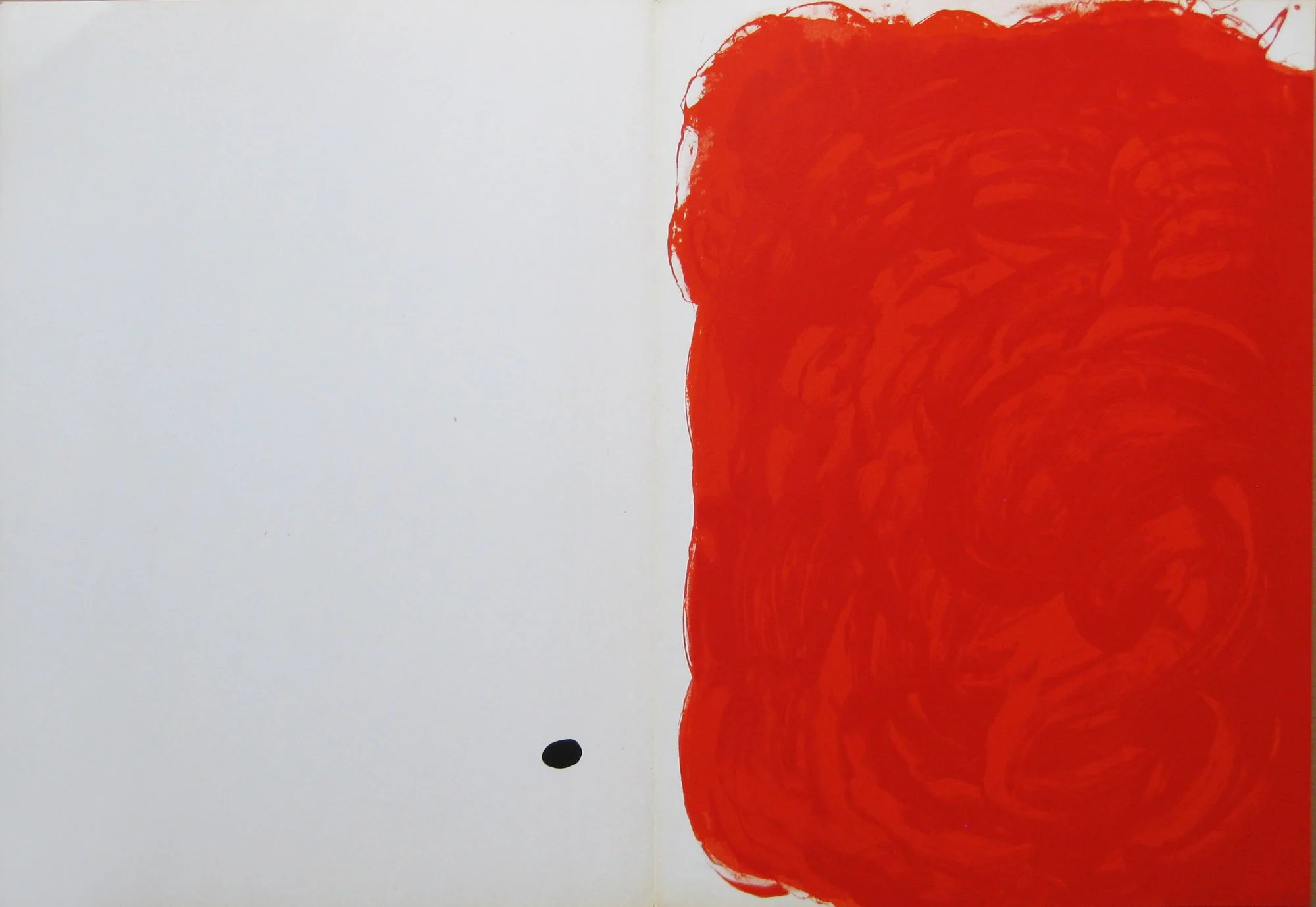
Inspired by modern masters like Donald Judd, Joan Miró, and Picasso’s Cubism, I drew from their bold use of form, color, and abstraction. Color blocks, playful markings, and minimalist clarity informed my sketches, appearing simple at first glance yet layered with depth drawn from art history.

To me, storytelling and the “why” behind design choices are essential. Knowing that the Lee family, who lead Samsung, are passionate art collectors with a renowned museum in Korea, I wanted to create a bridge between their deep interest in the arts and the company’s vision for technology. This project explored how Samsung’s future products could cross those boundaries, connecting design, culture, and artistic expression.
MIRÓ

Sketches of various mobile phones, flip phones, slide phones, and gadgets, with some being colored and others in black and white, showcasing different designs and features.
Sketches of various mobile phone models, mostly pink and some green, with design notes and labels.
A wall mounted wooden light fixture emitting pink and red light onto a wall.
Abstract painting with yellow upper section and red lower section.
Abstract artwork with colorful brushstrokes and shapes, including a blue star-like shape, red and green arrow shapes, a yellow spiral, and black lines on a white background.
Abstract painting with a large red swirl pattern on the right side and a small black dot on the left side against a light background.
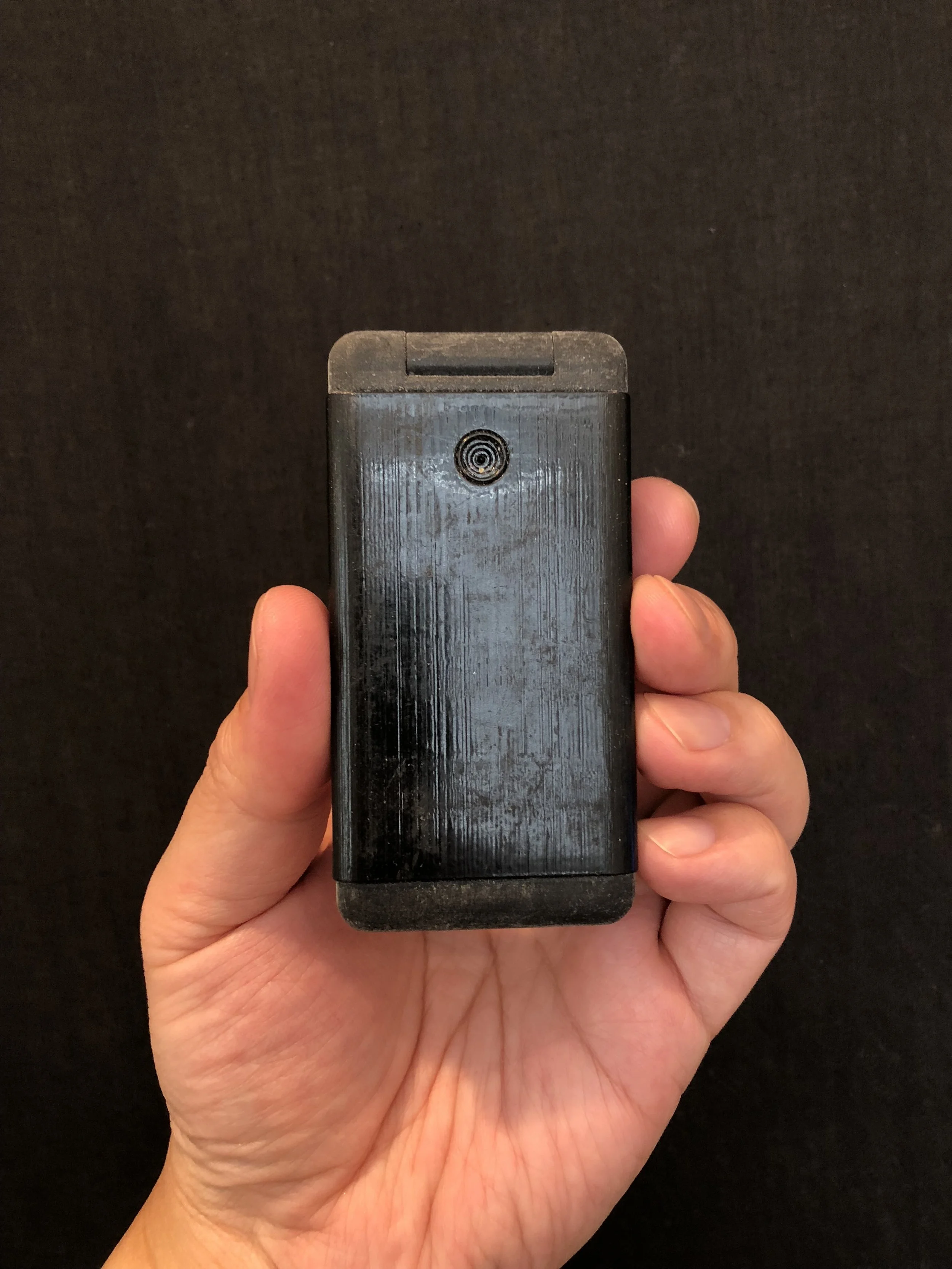
A person's hand holding a black, rectangular remote control device with a rotary dial on the top against a dark background.
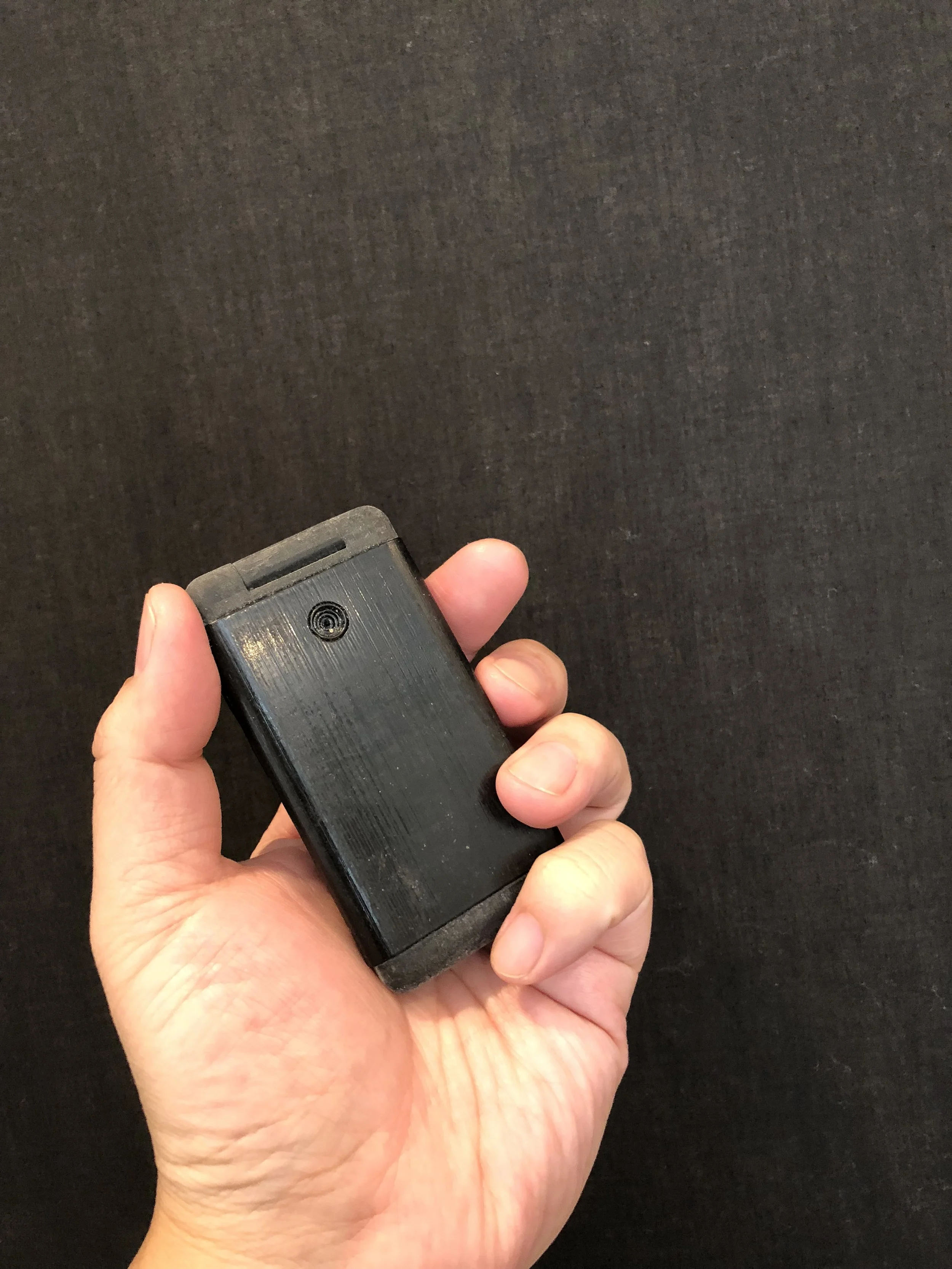
Hand holding a small black electronic device against a dark background.
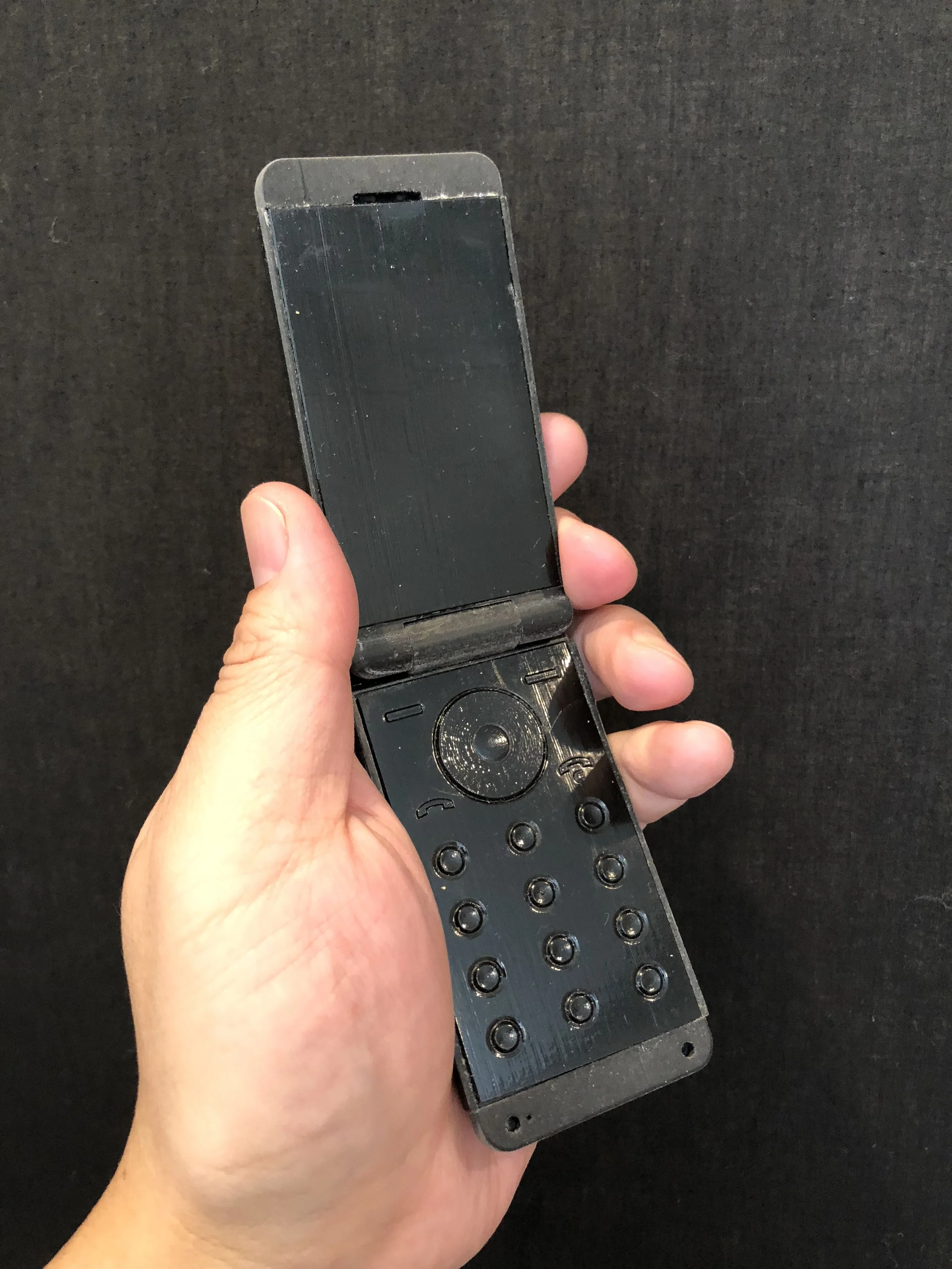
A person holding an old flip phone with a small screen and keypad against a dark background.

STORY BEHIND THE DESIGN (MIRÓ)

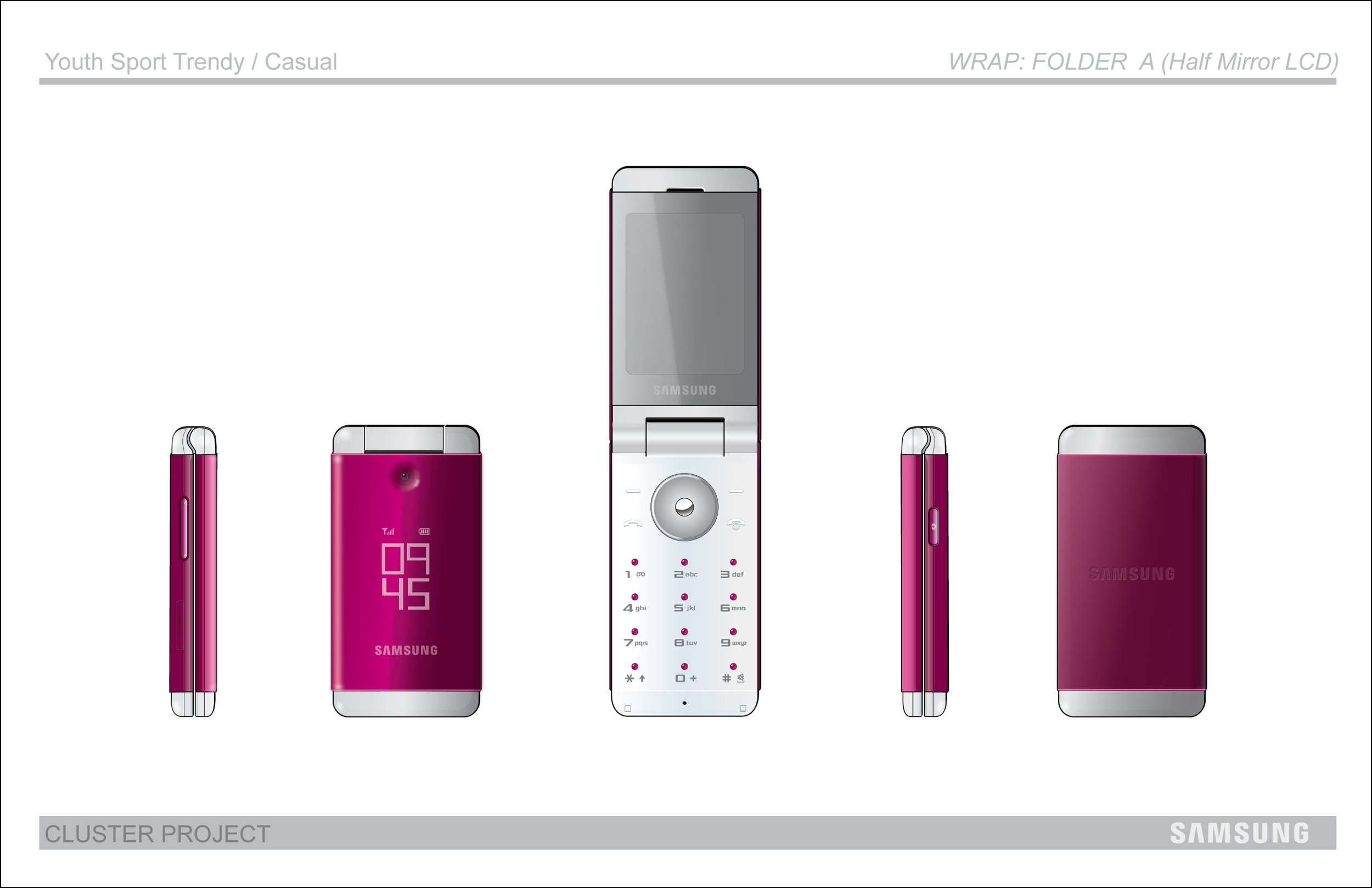
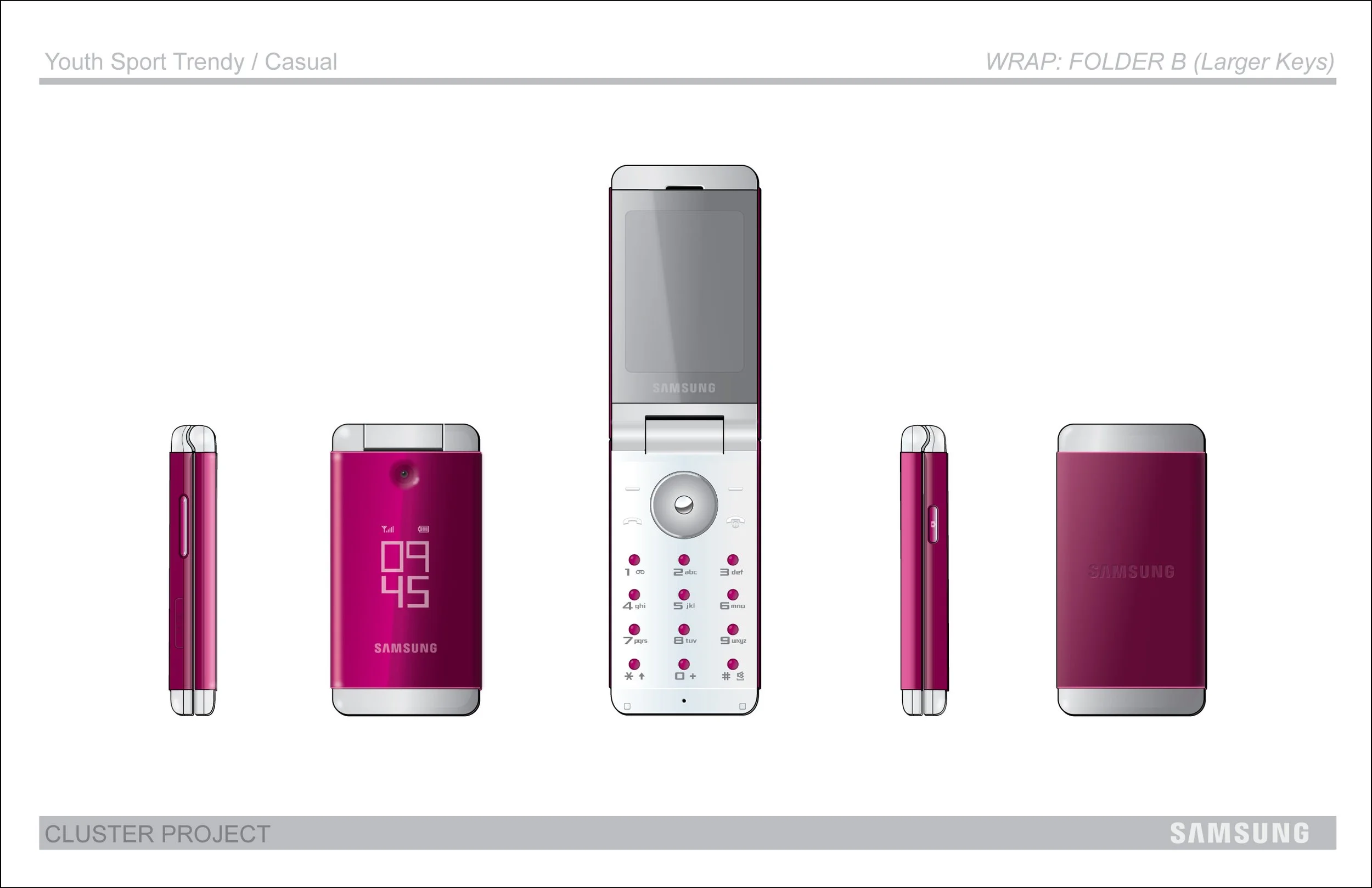
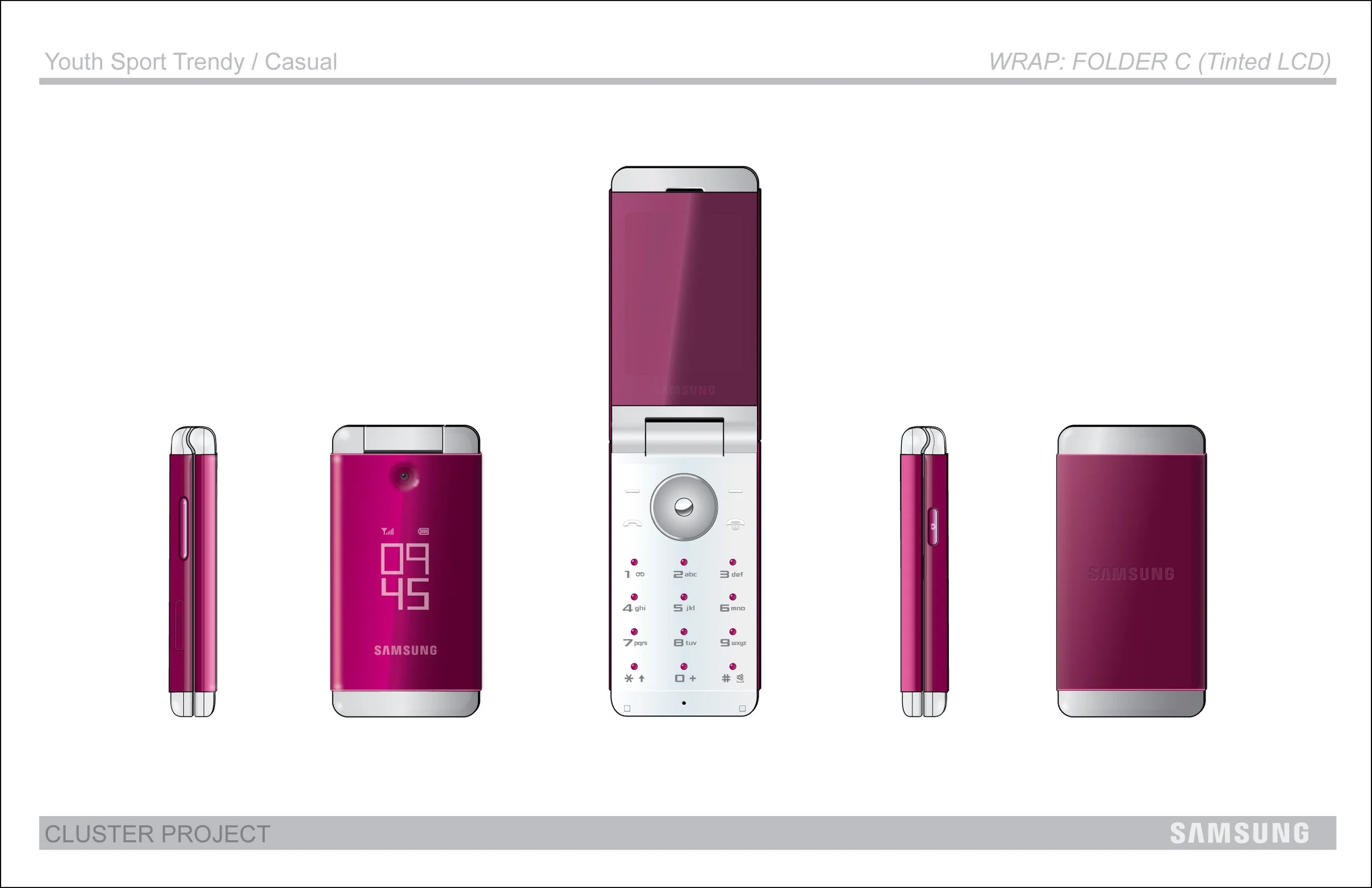
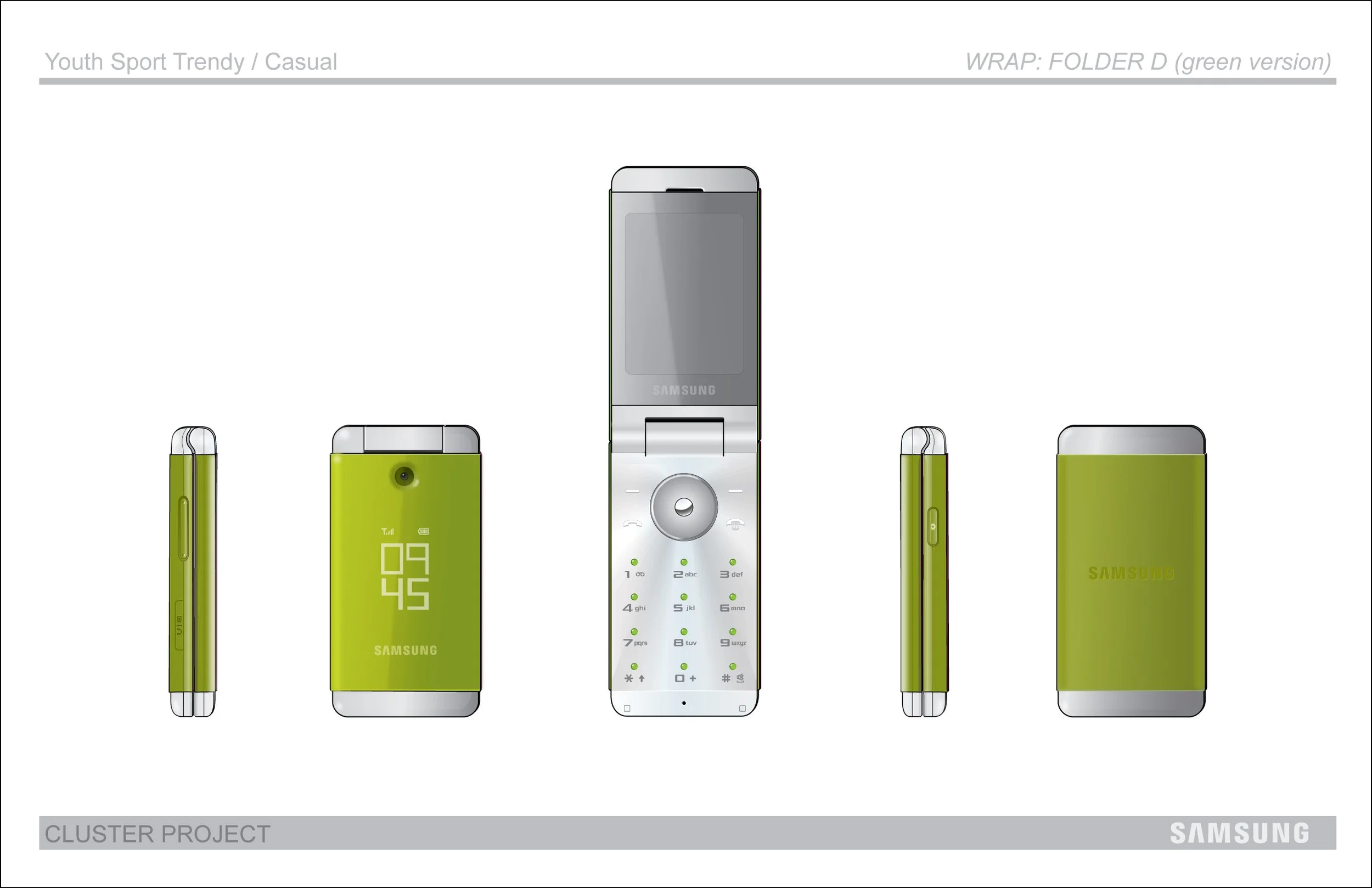
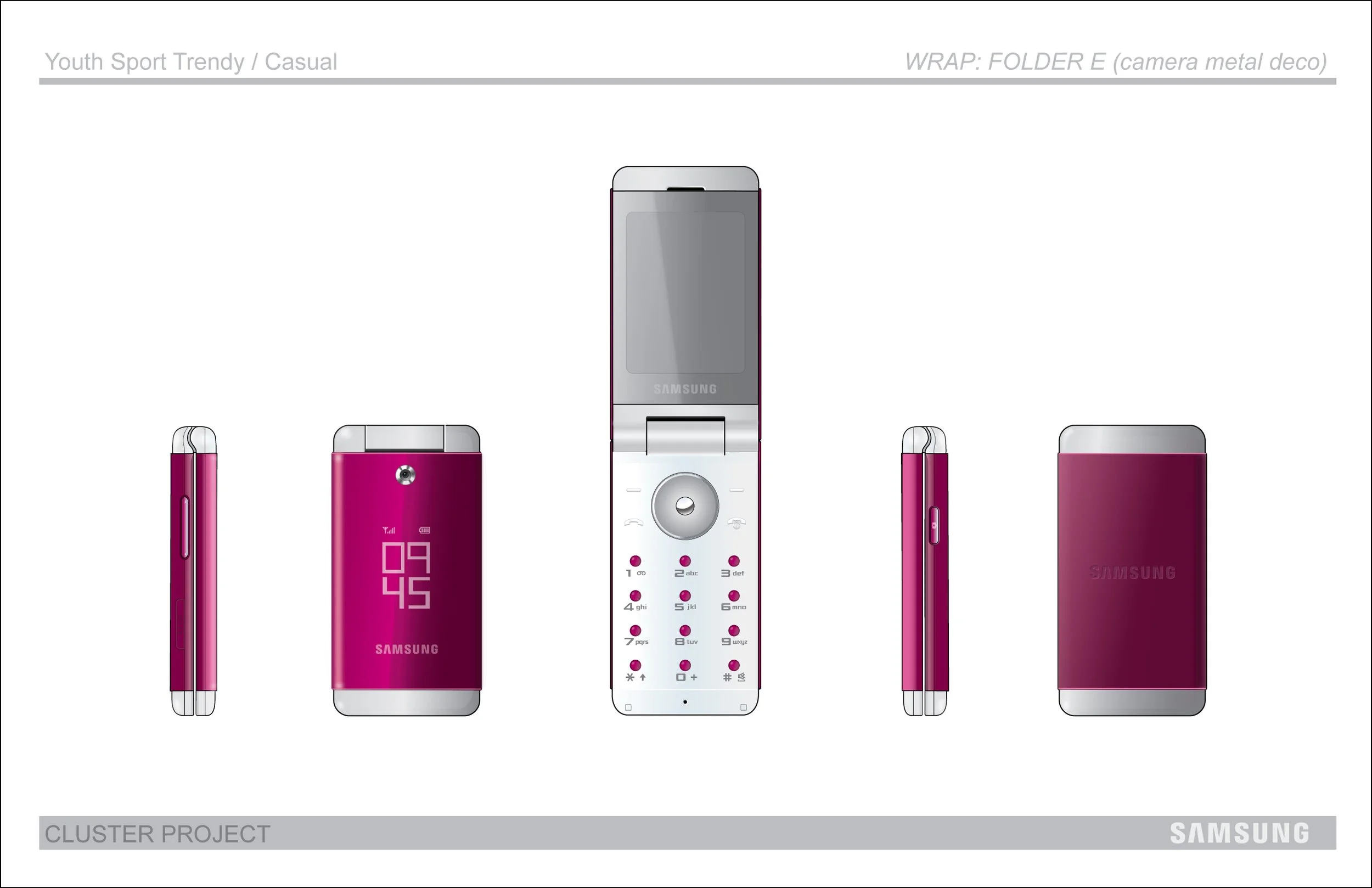
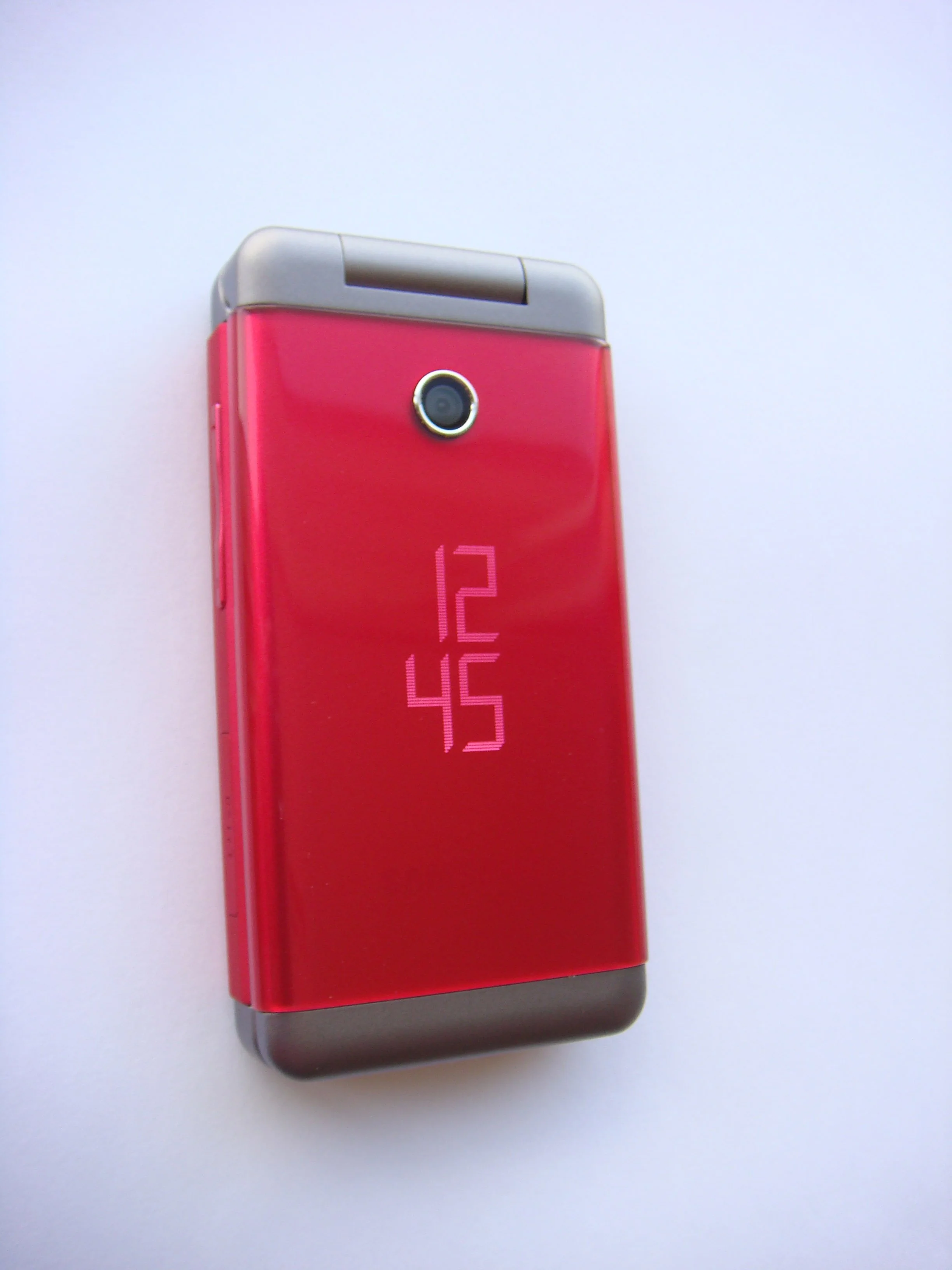
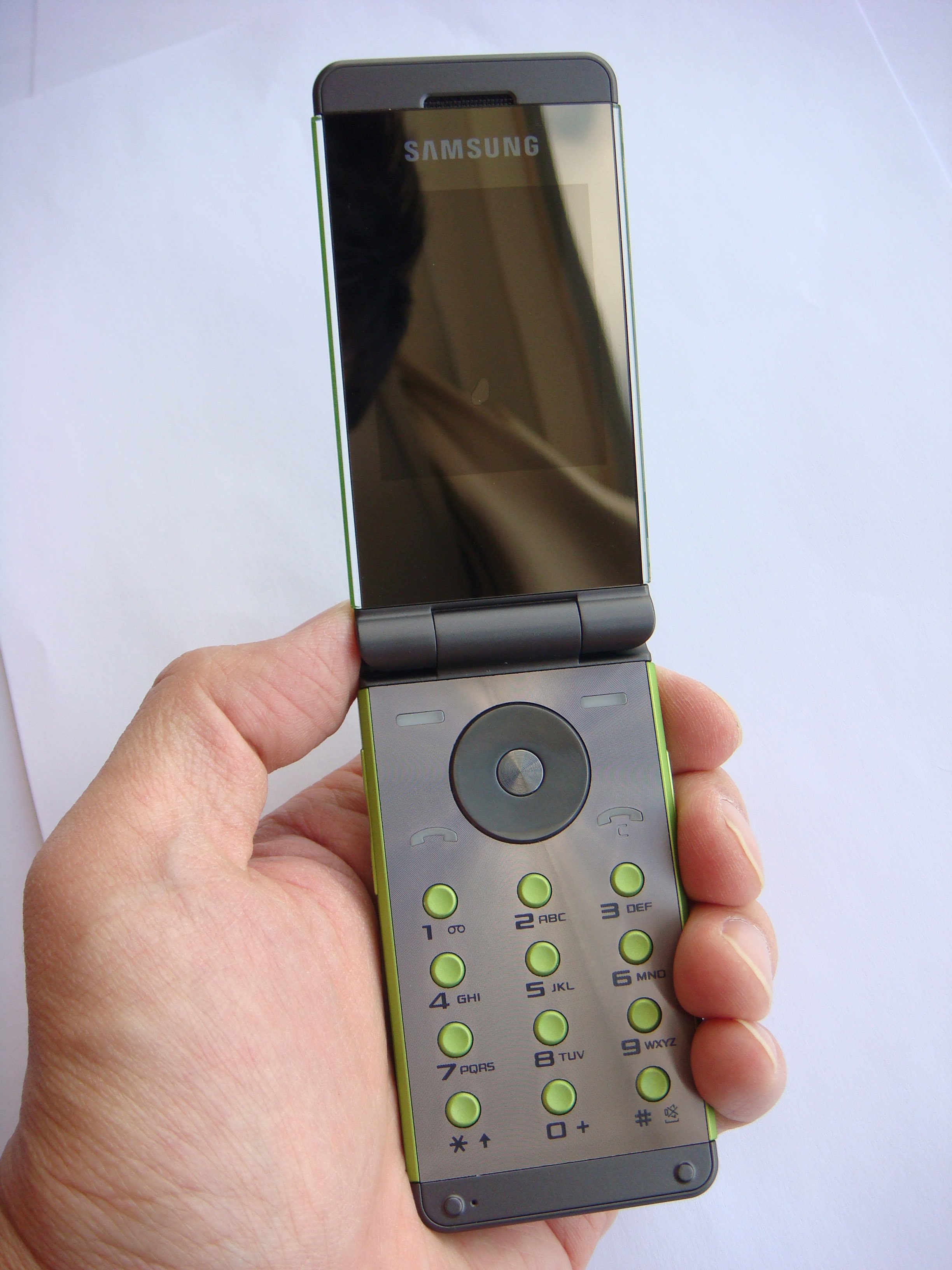
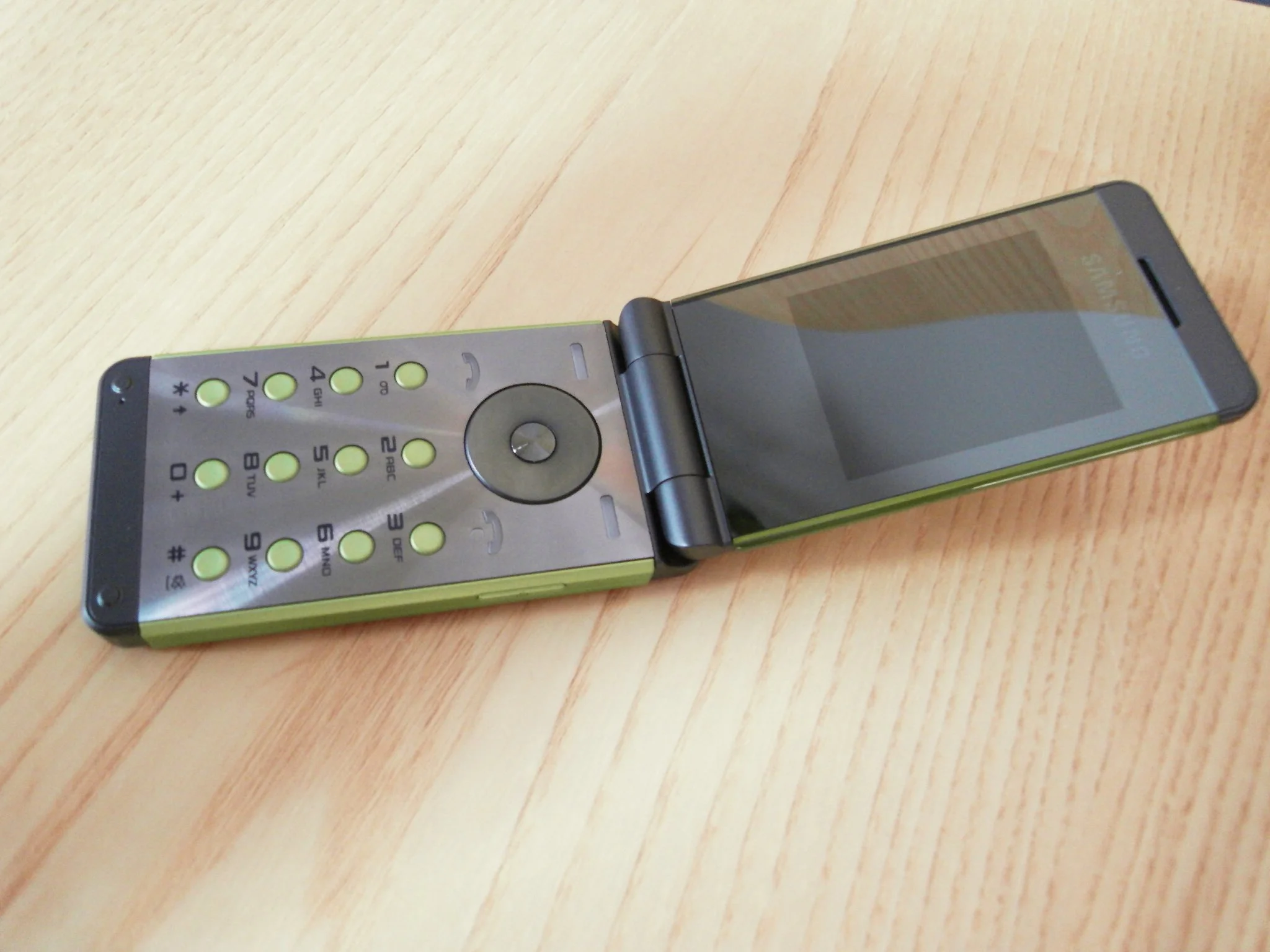
The foldable phone design was inspired by whimsical color and the playful abstraction of JOAN MIRÓ, bringing artistic expression into everyday technology.

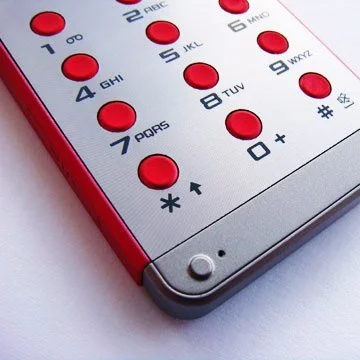
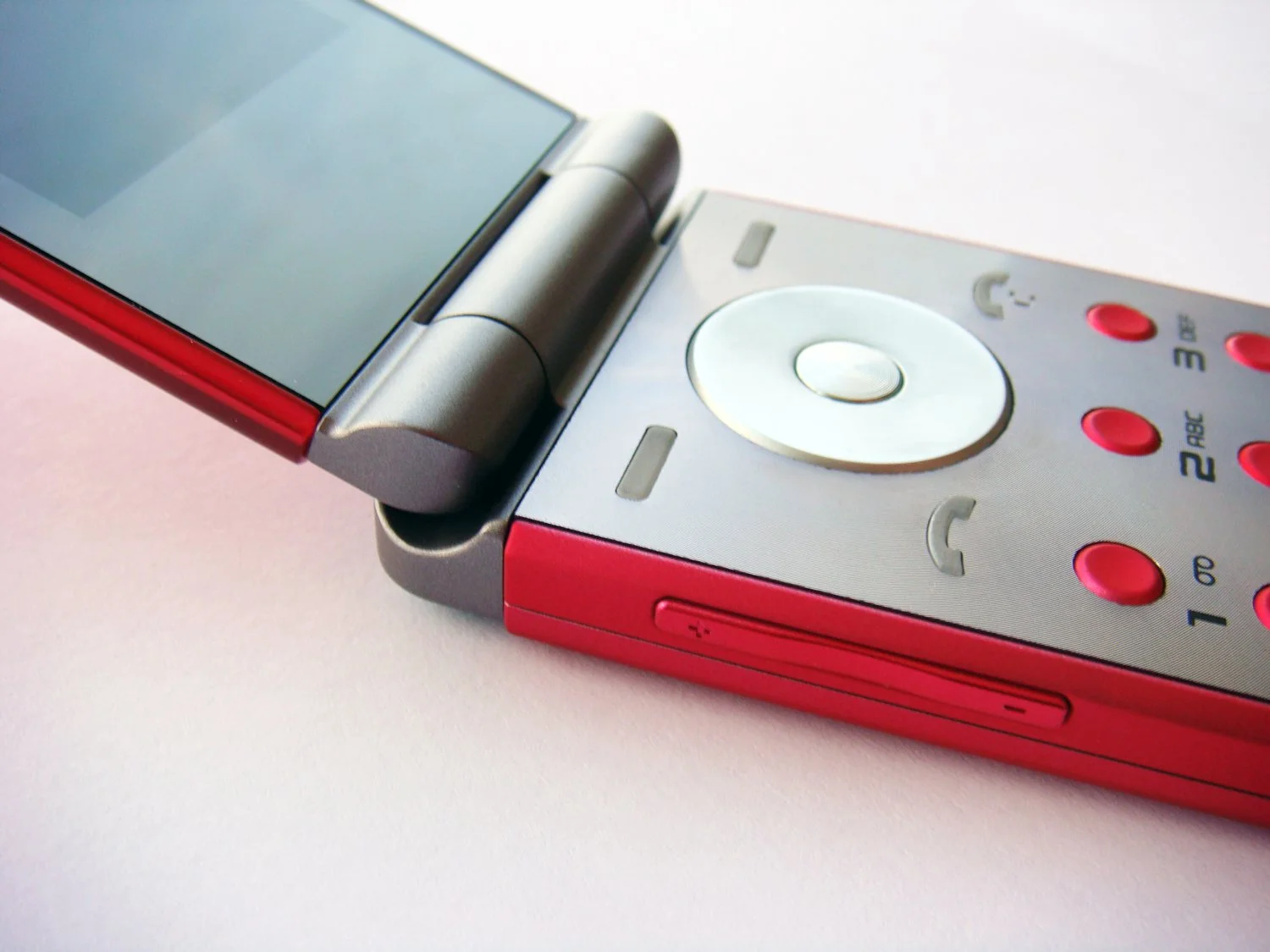
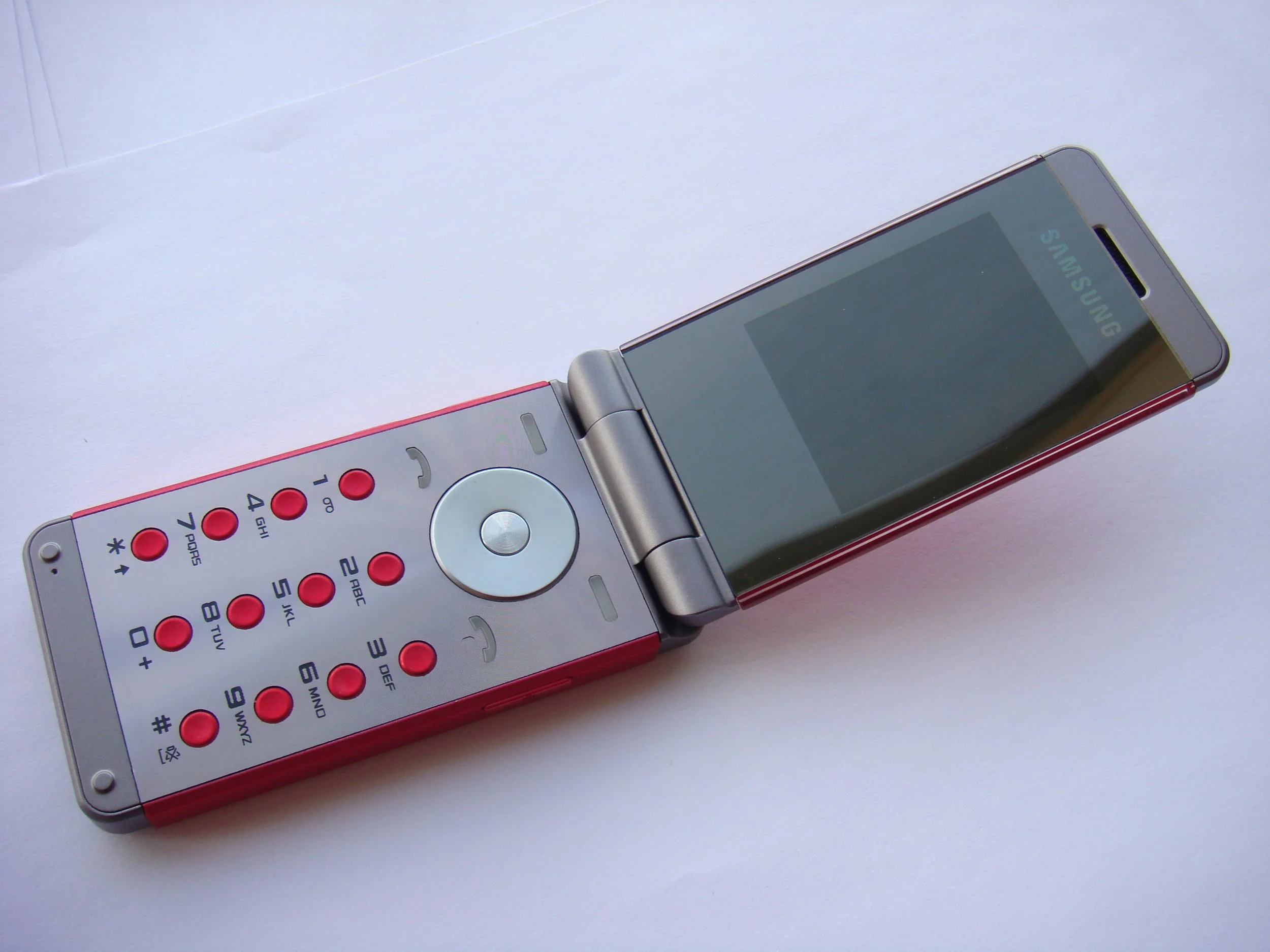
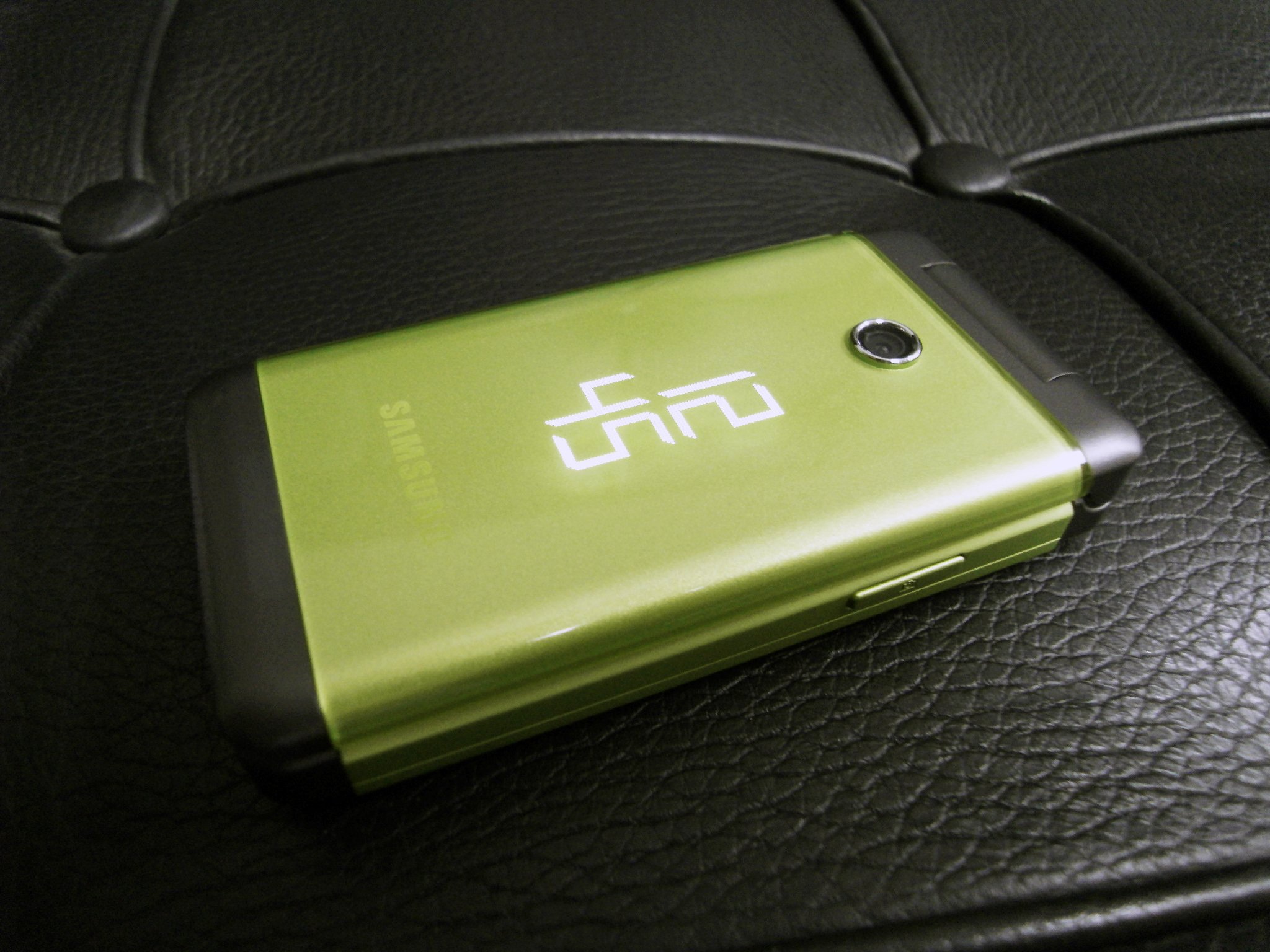
LED lighting that indicates time emerges from the electroplated faceplate, creating a sense of magic in the interaction. The Samsung logo was intentionally subdued, treated as a subtle design element rather than a dominant mark. Taking a graphic design approach, I carefully considered font, text proportions, and button sizes to achieve visual balance. The call and end buttons were reduced to simple, intuitive icons instead of relying on conventional text or awkward shapes.

The choice of materials such as metal, silicone, polycarbonate, paint coating and half mirror ion-plating was deliberate, each contributing to a CMF story that conveys refinement, tactility, and expressive detail.
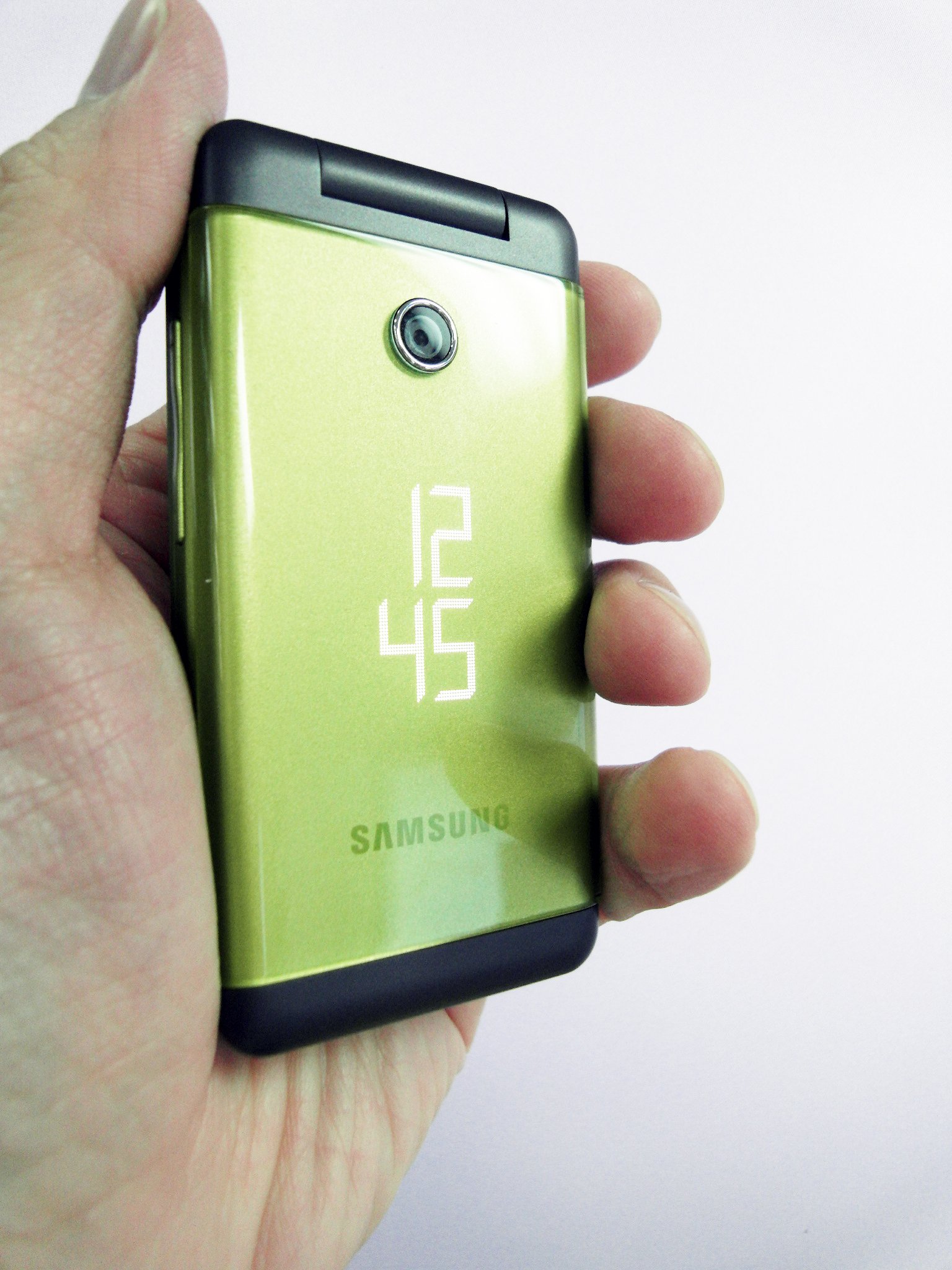
A person holding a green Samsung flip phone with a digital clock display showing 12:45.
A green Samsung flip phone with a digital clock display on the front, lying on a black textured surface.
Close-up of a white and red landline telephone keypad with red buttons and gray accents, showing numbers 0-9, star, and pound keys.
A close-up of a vintage flip phone with a silver faceplate and red sides, featuring a circular navigation pad and red and black buttons.
A flip phone with a silver and red design, open on a white surface, showing a screen and keypad.
A flip phone with a pink exterior, display shows the time 12:45, set on a white surface.
A person holding a vintage flip phone with a large screen and a circular navigation pad, displaying the Samsung logo.
A flip phone with a green and gray design on a wooden surface.

PROJECT 2: IDEATION FOR THE TOUCH SCREEN PHONE

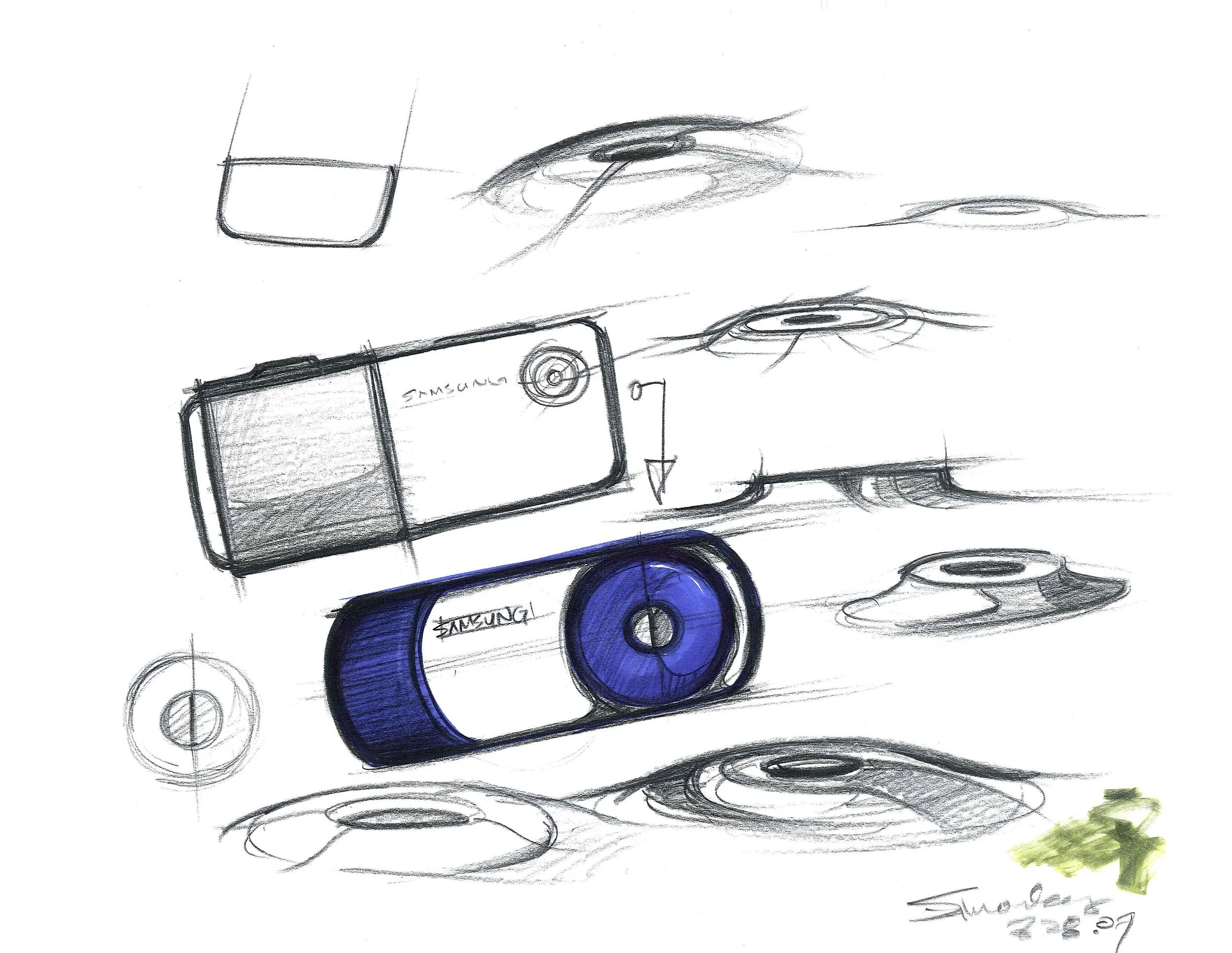
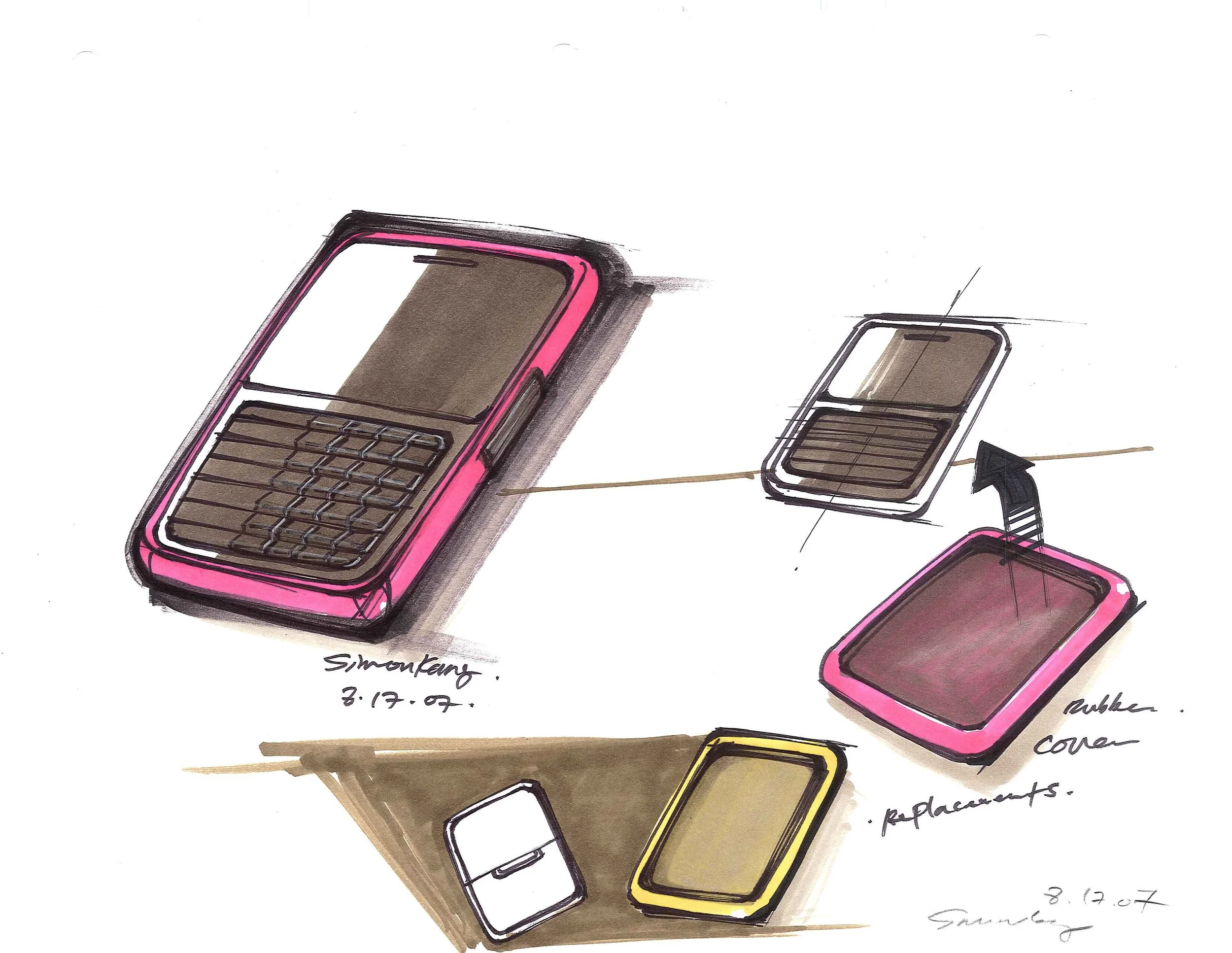
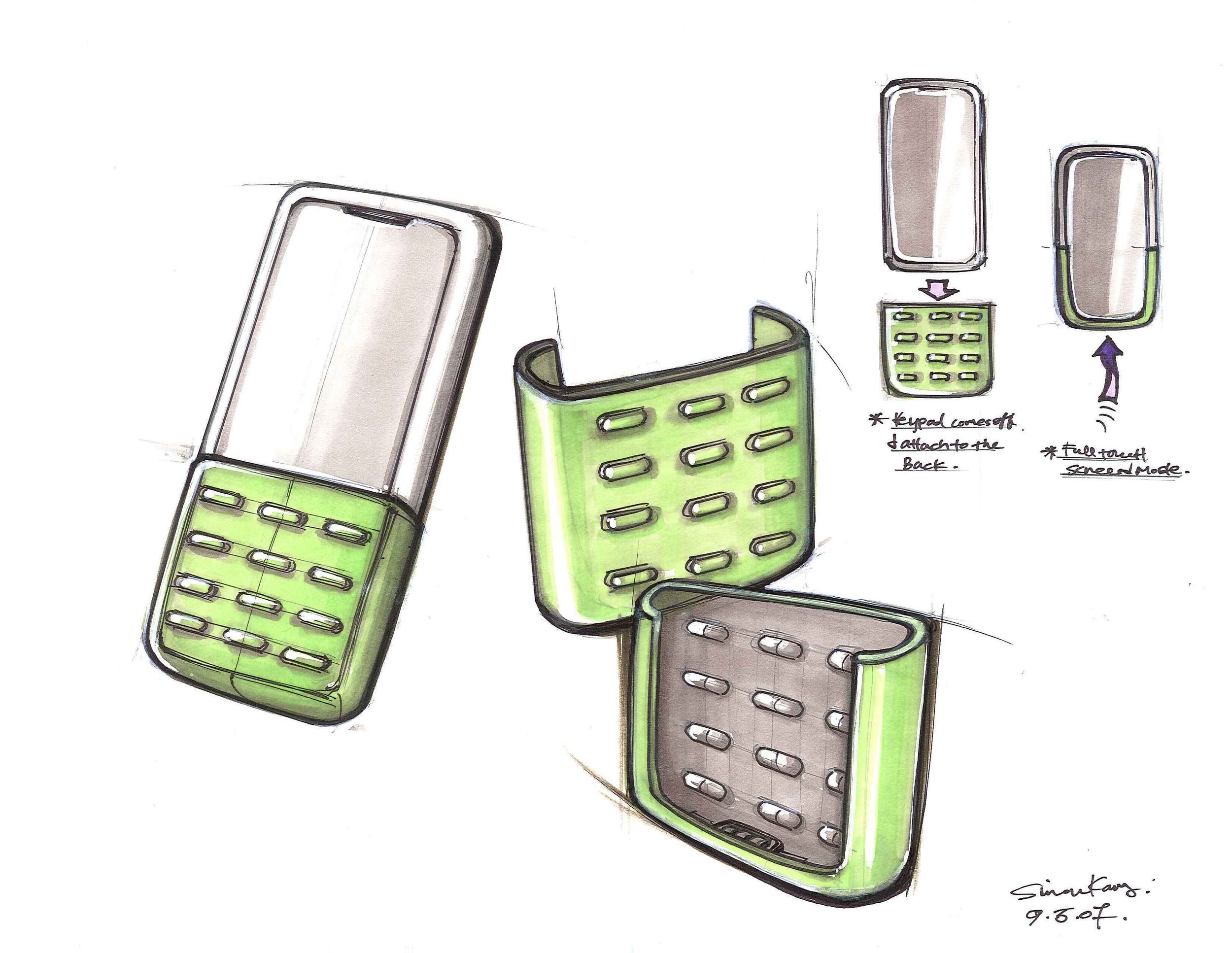
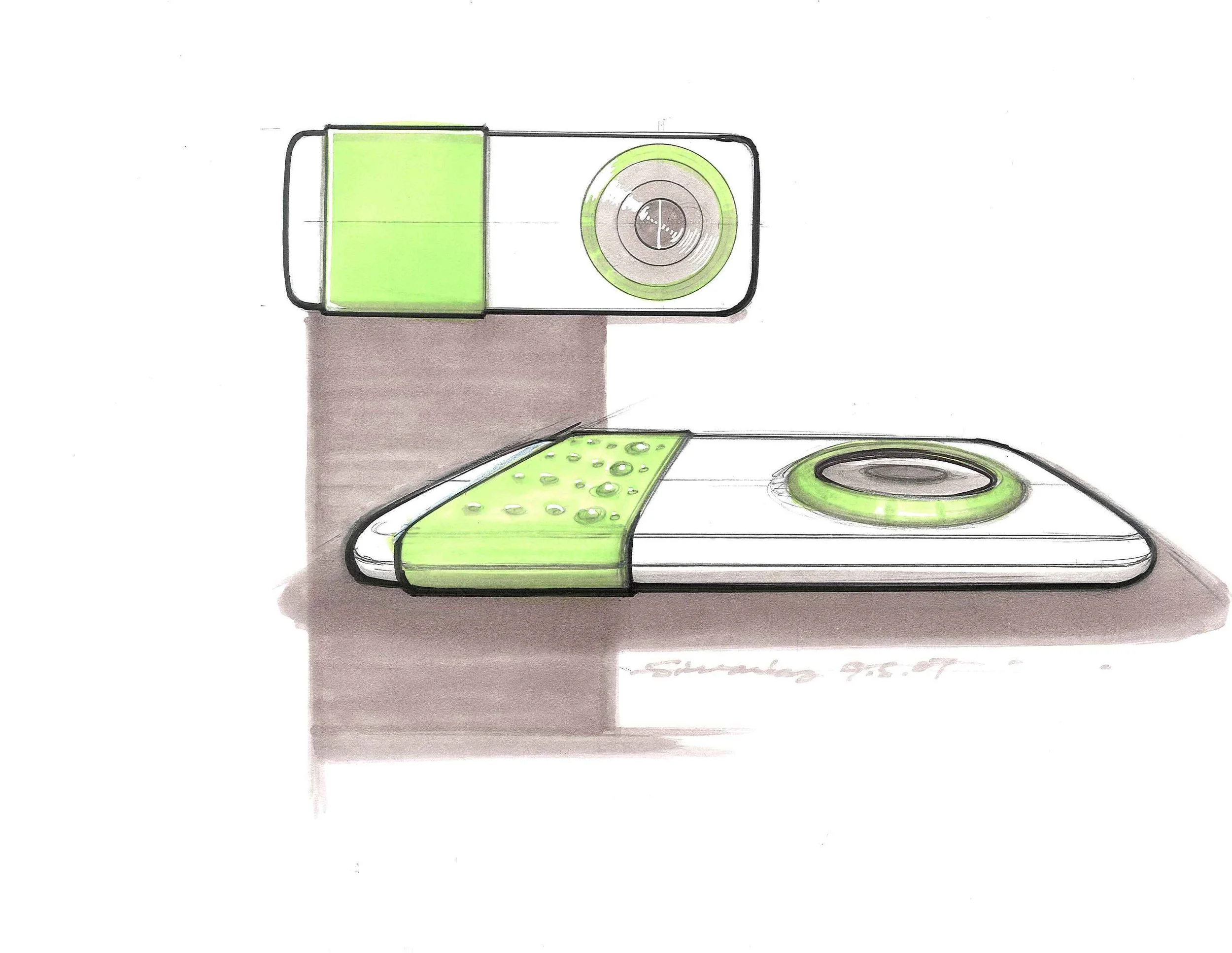
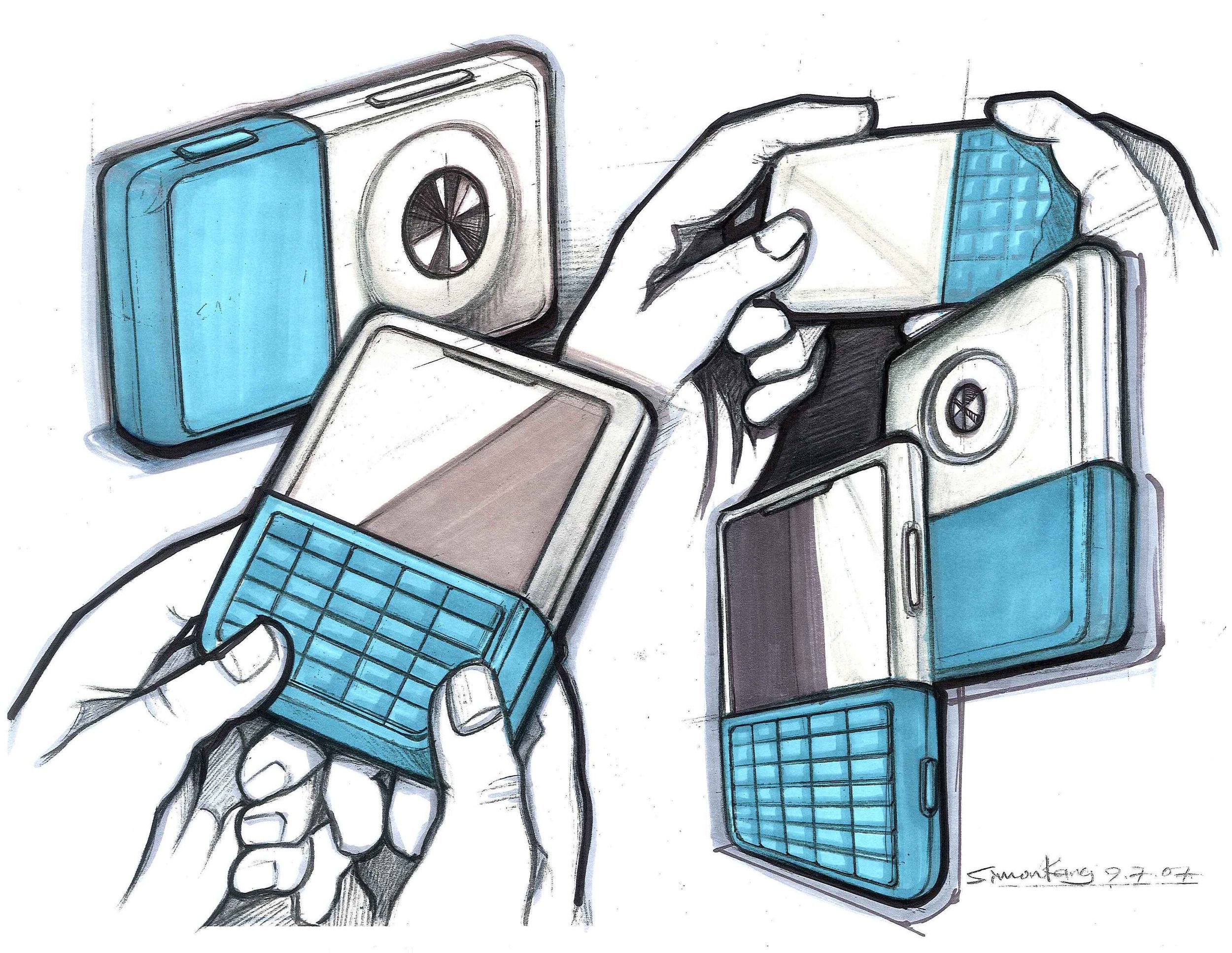
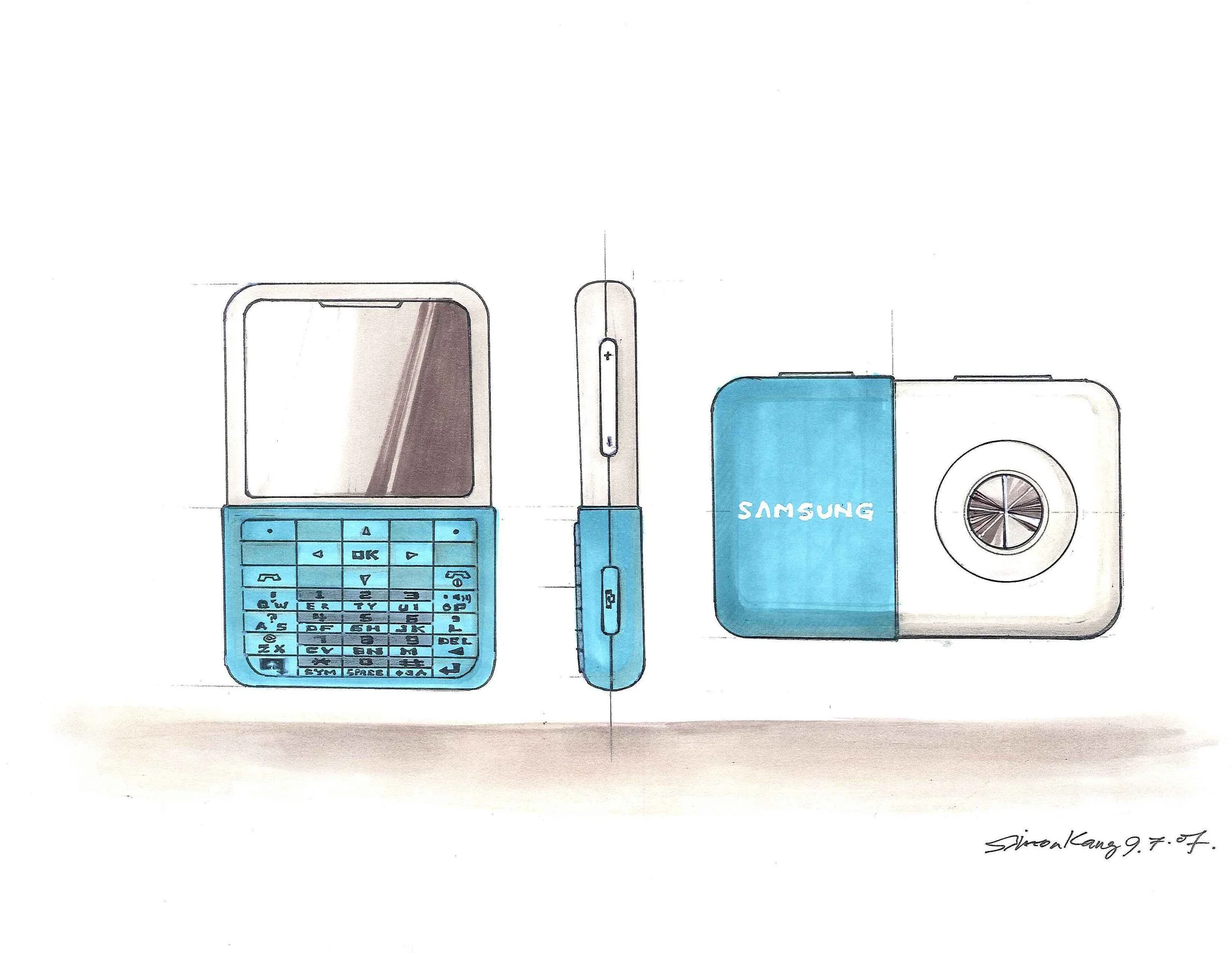
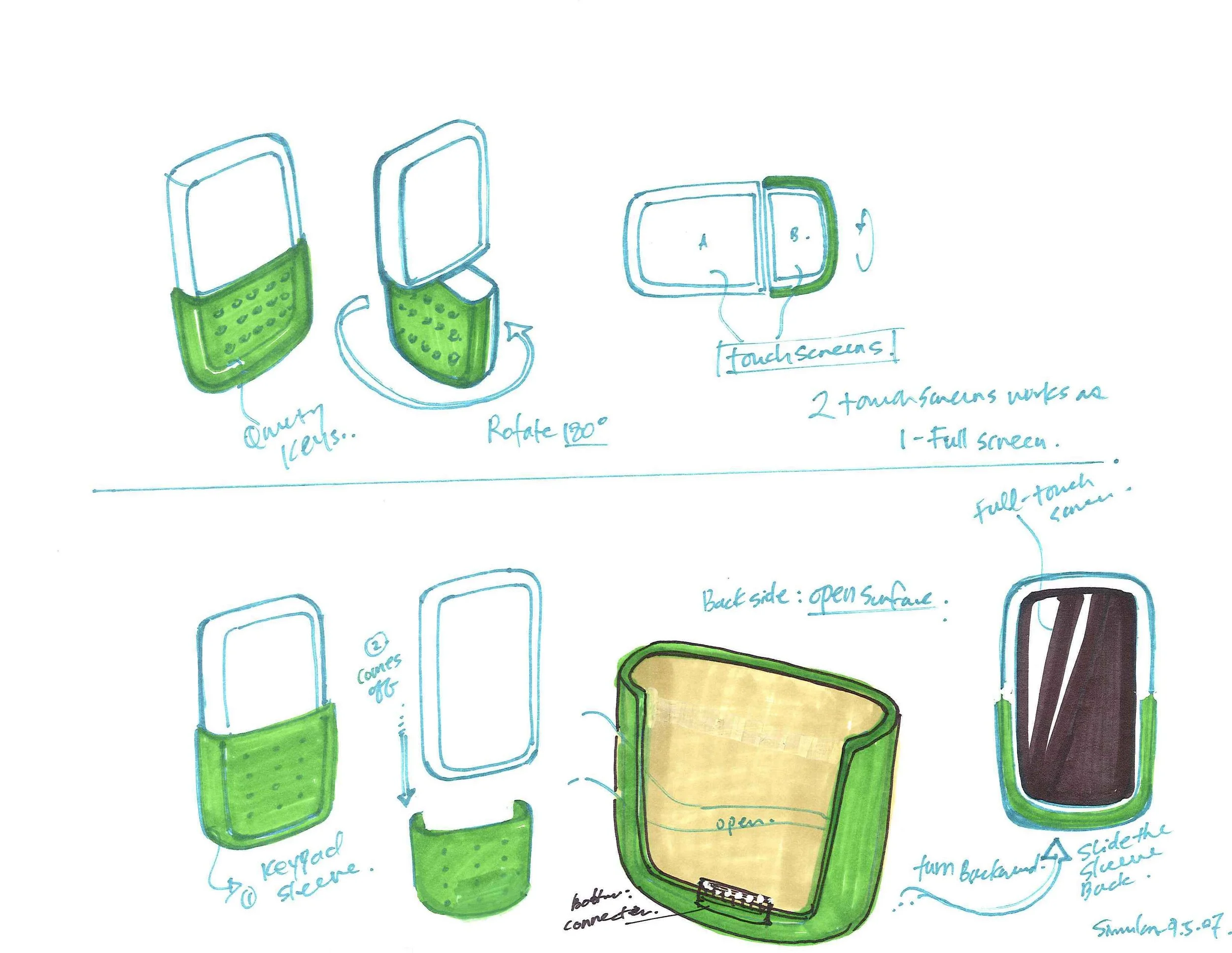
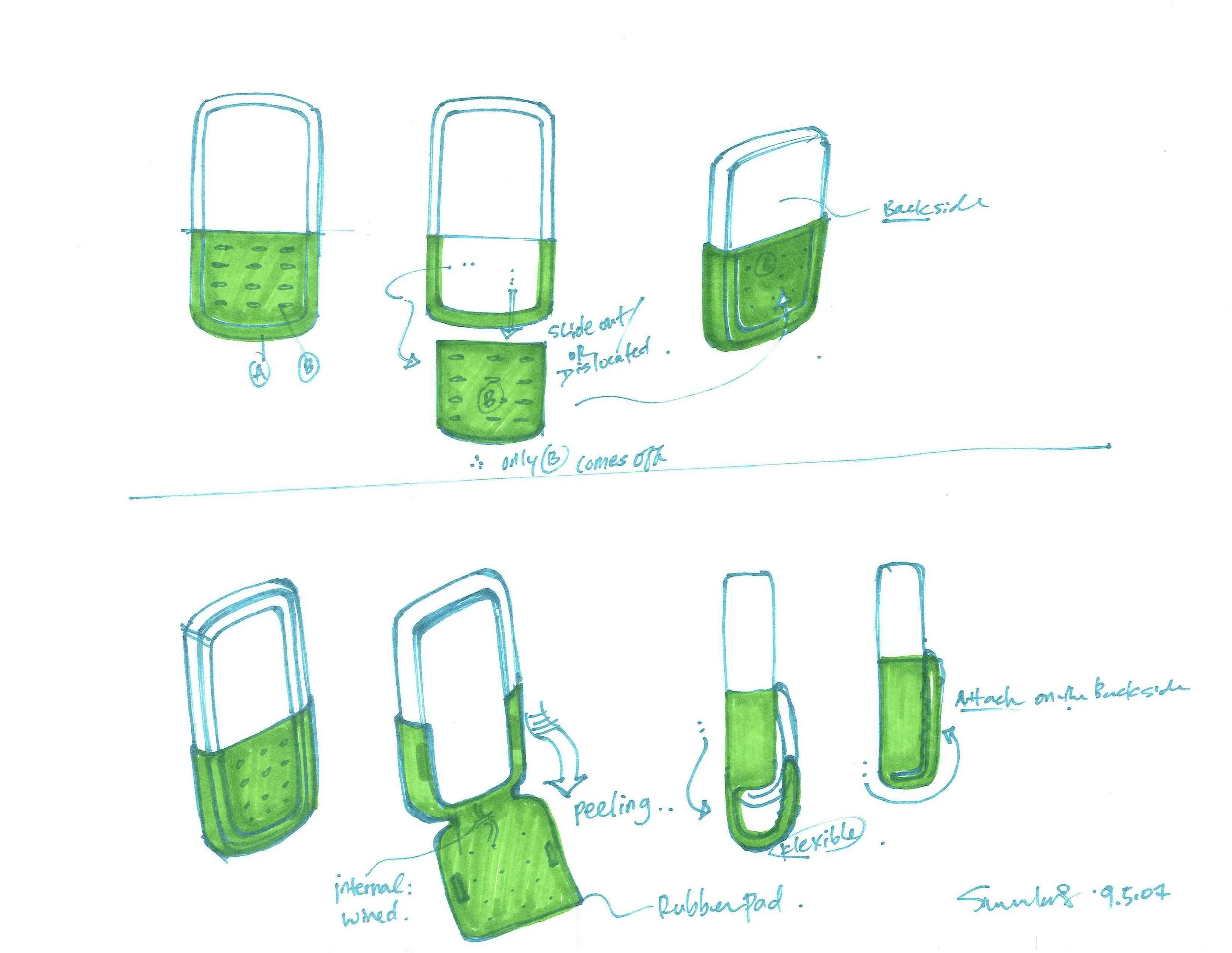
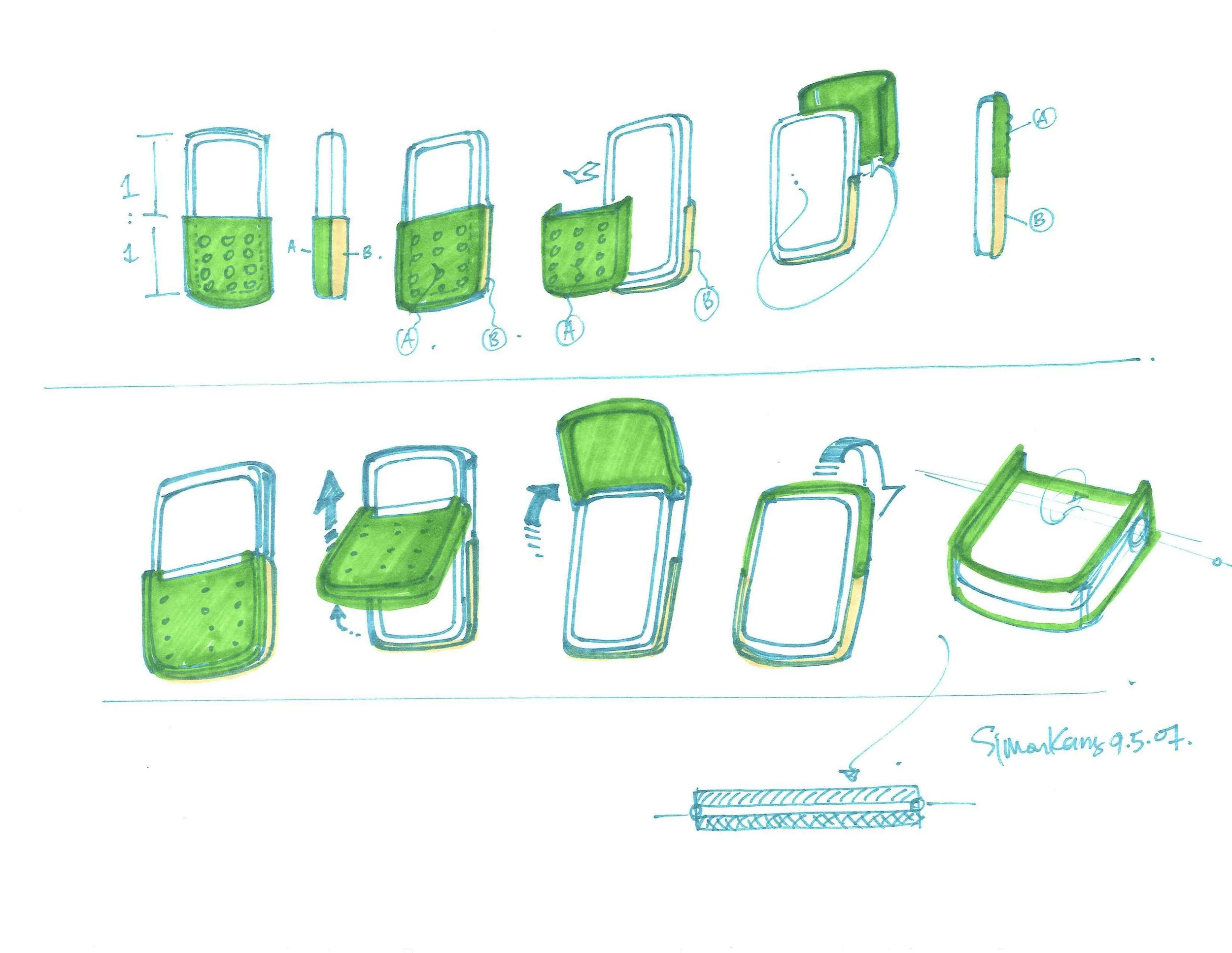
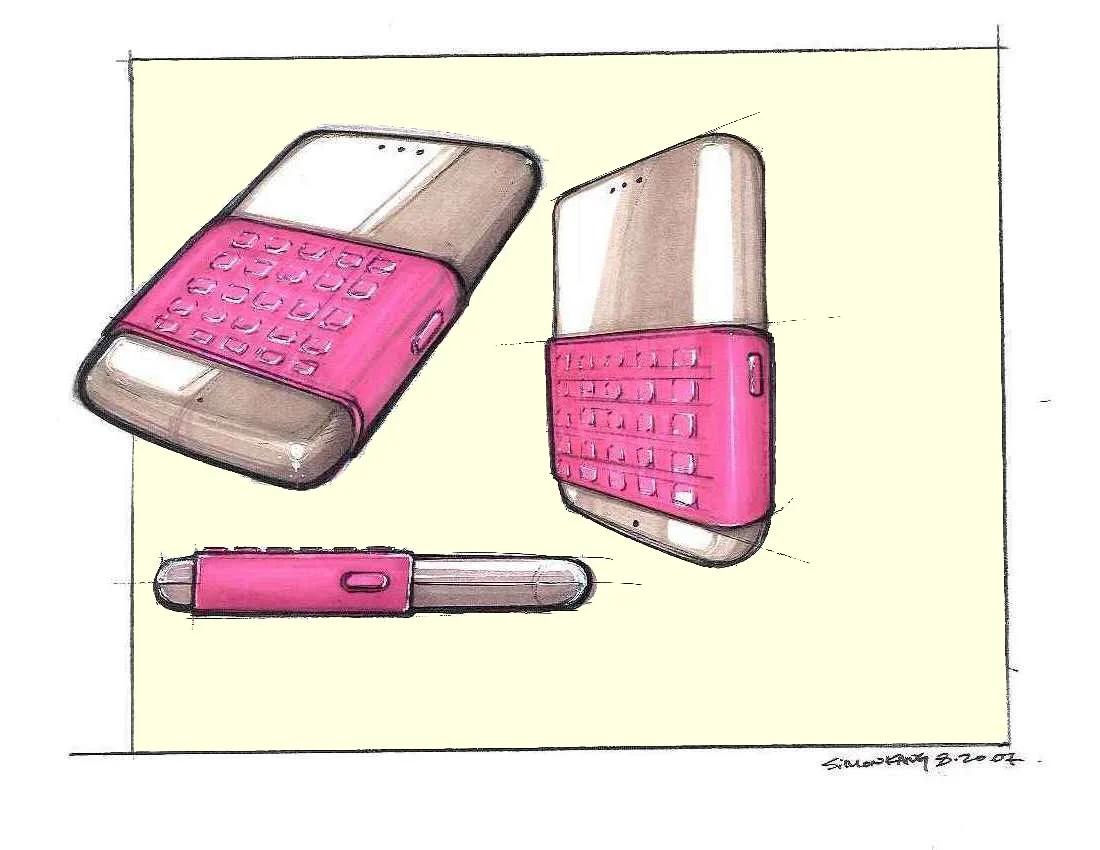
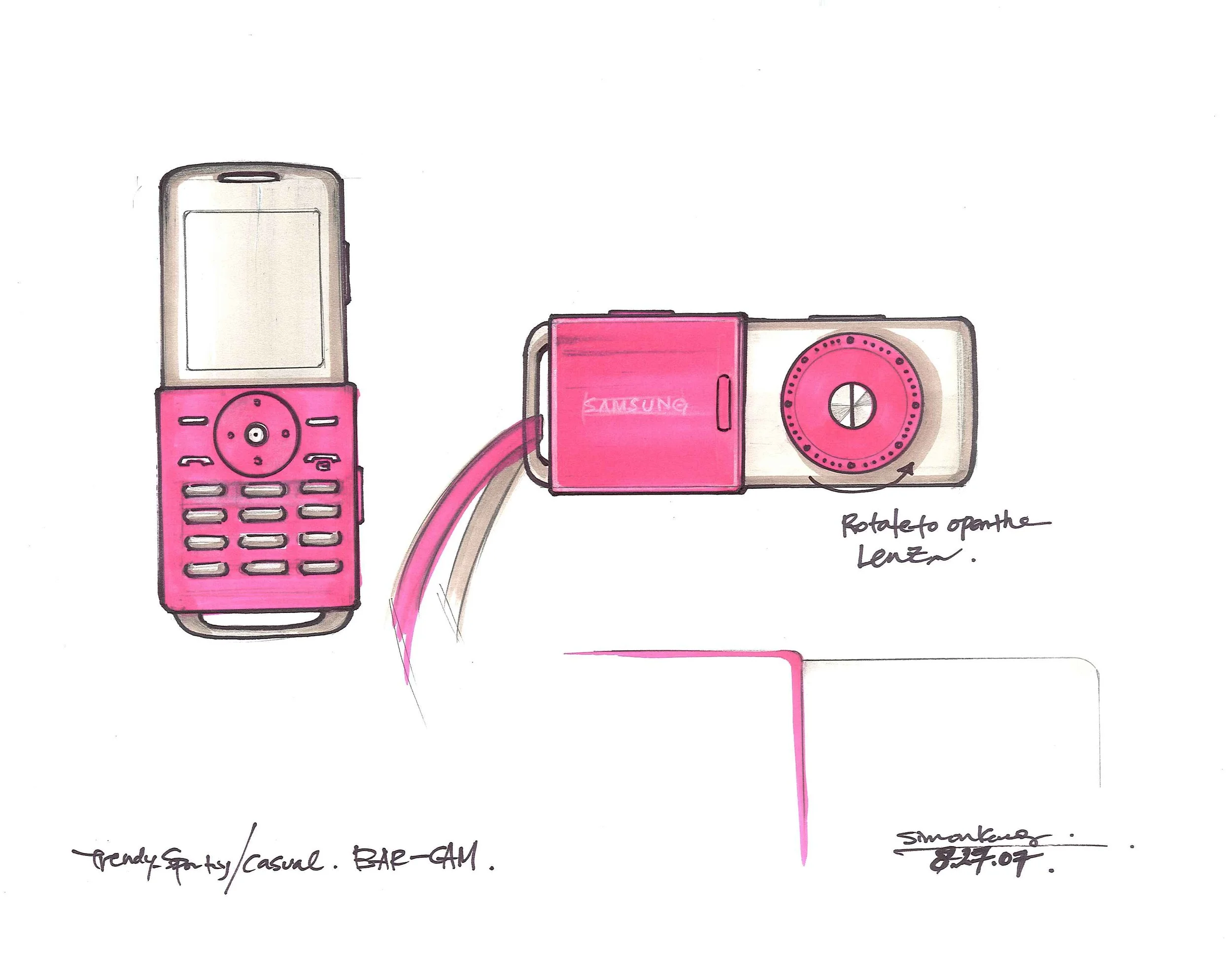
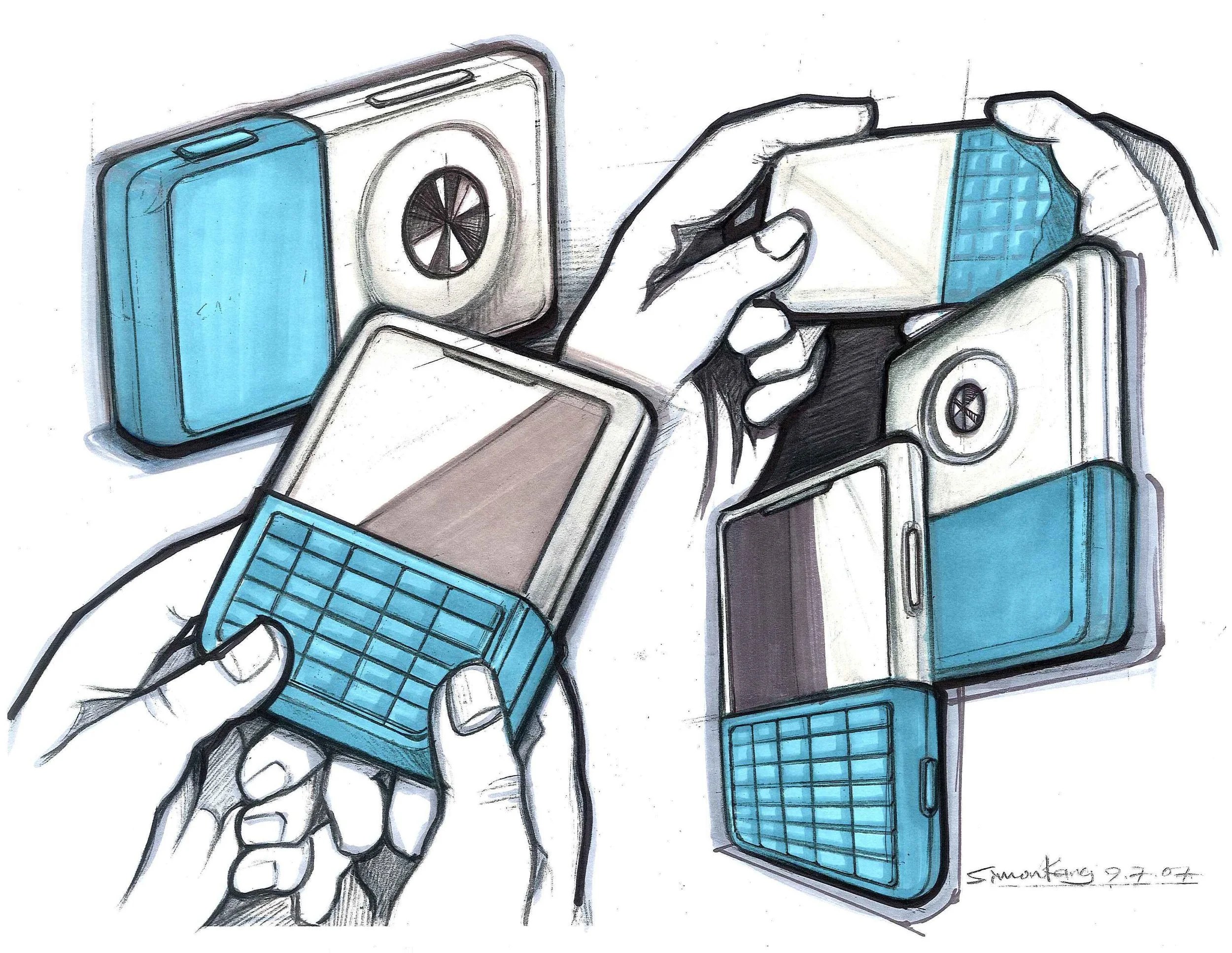
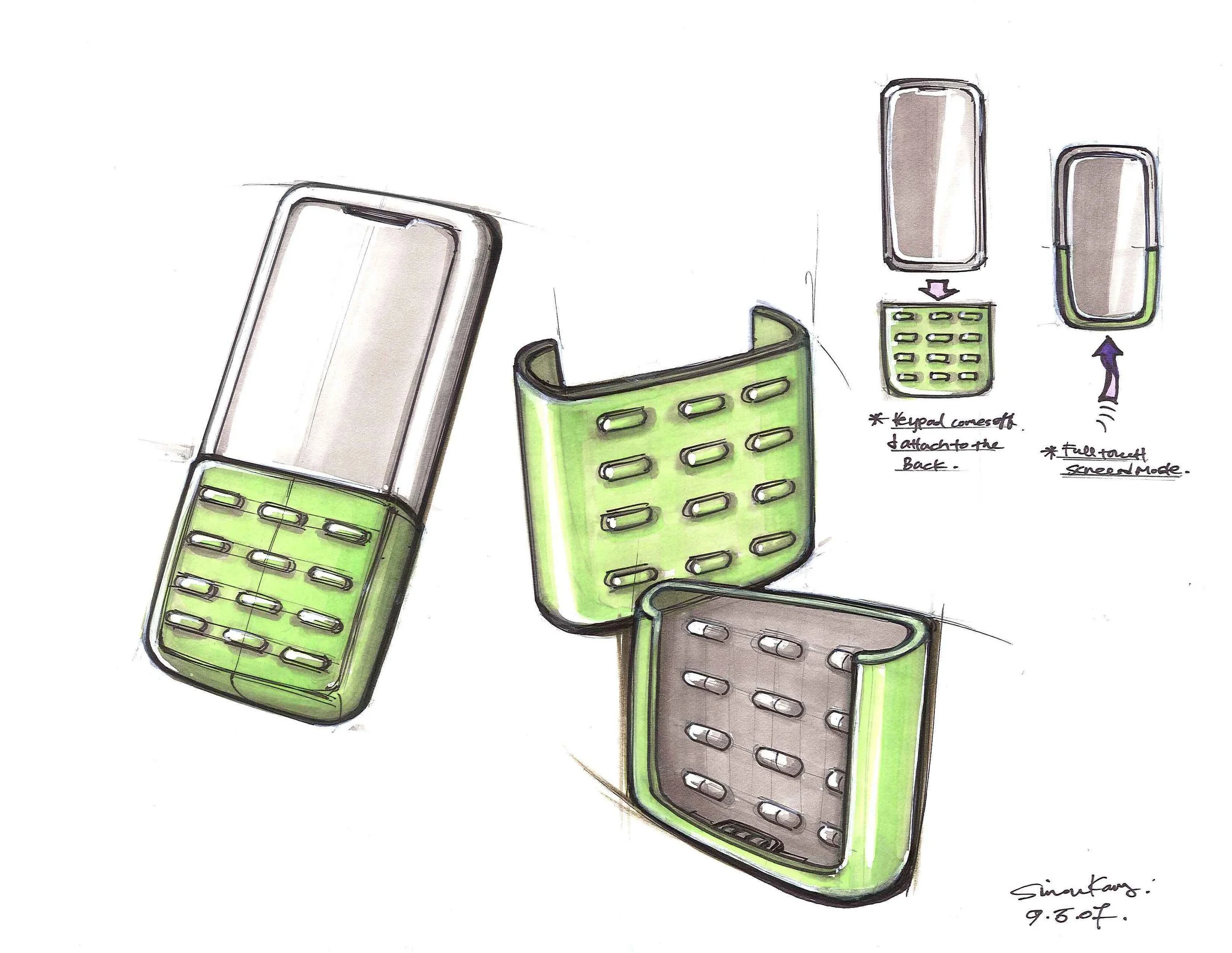
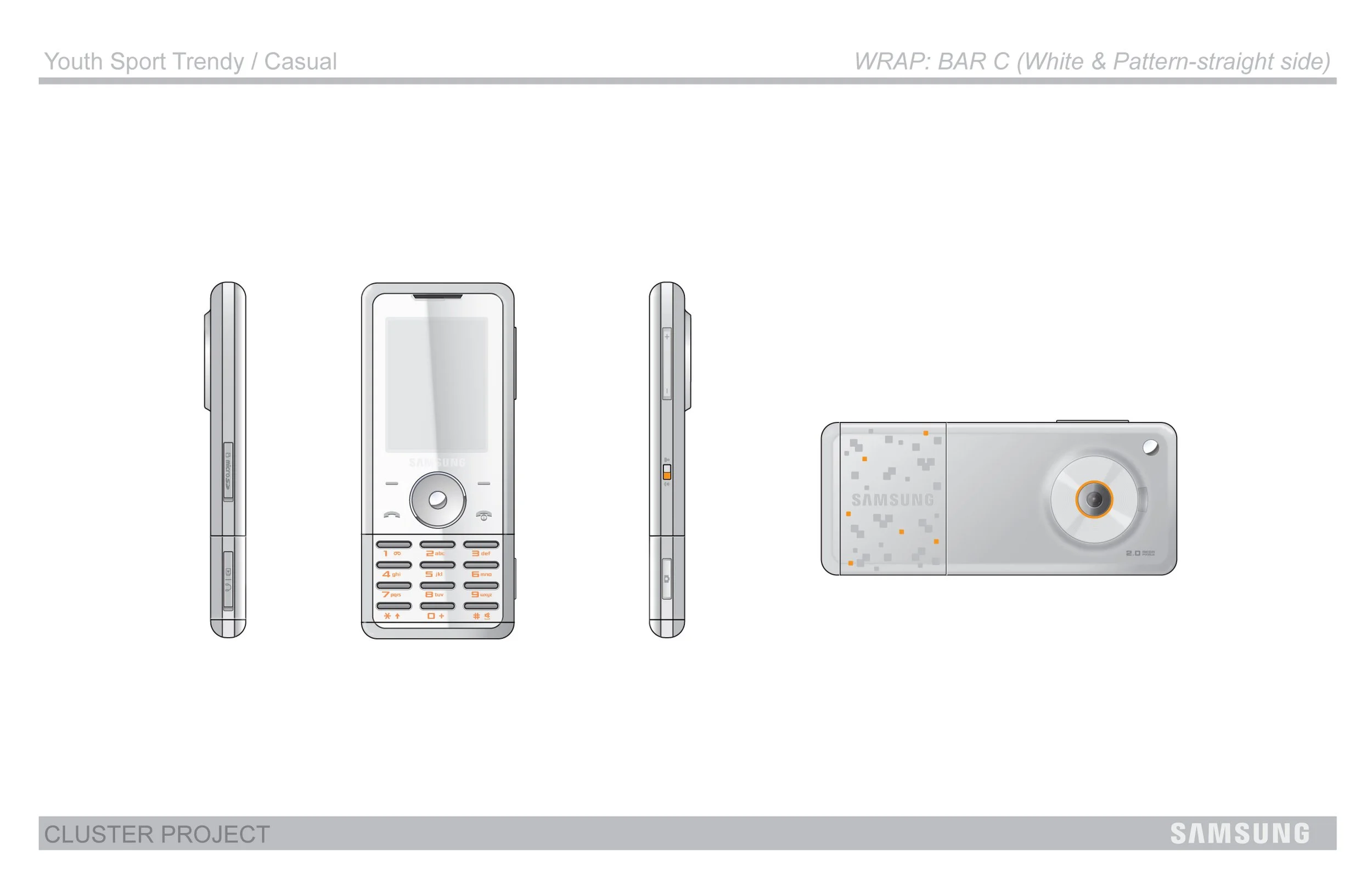
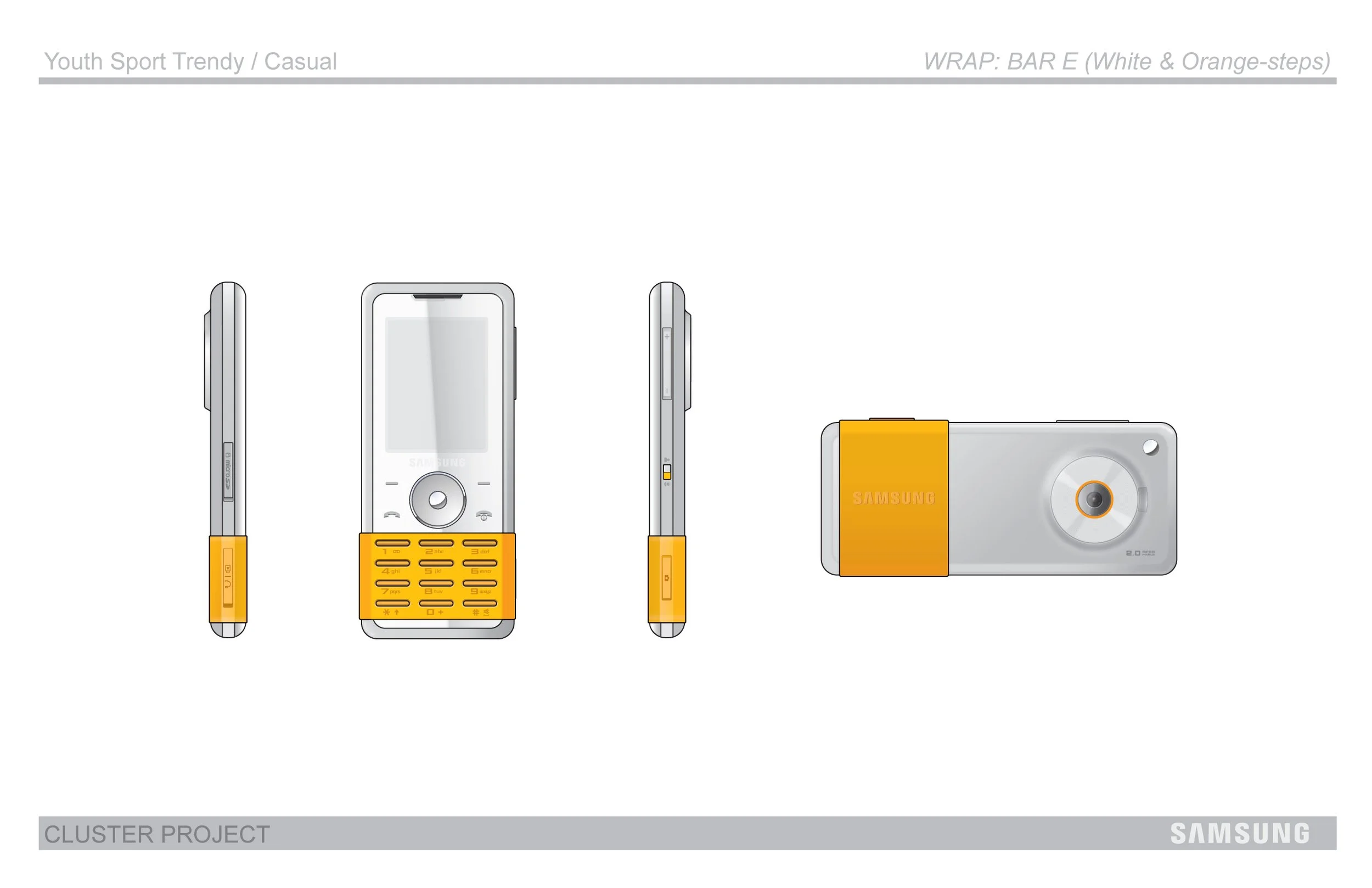
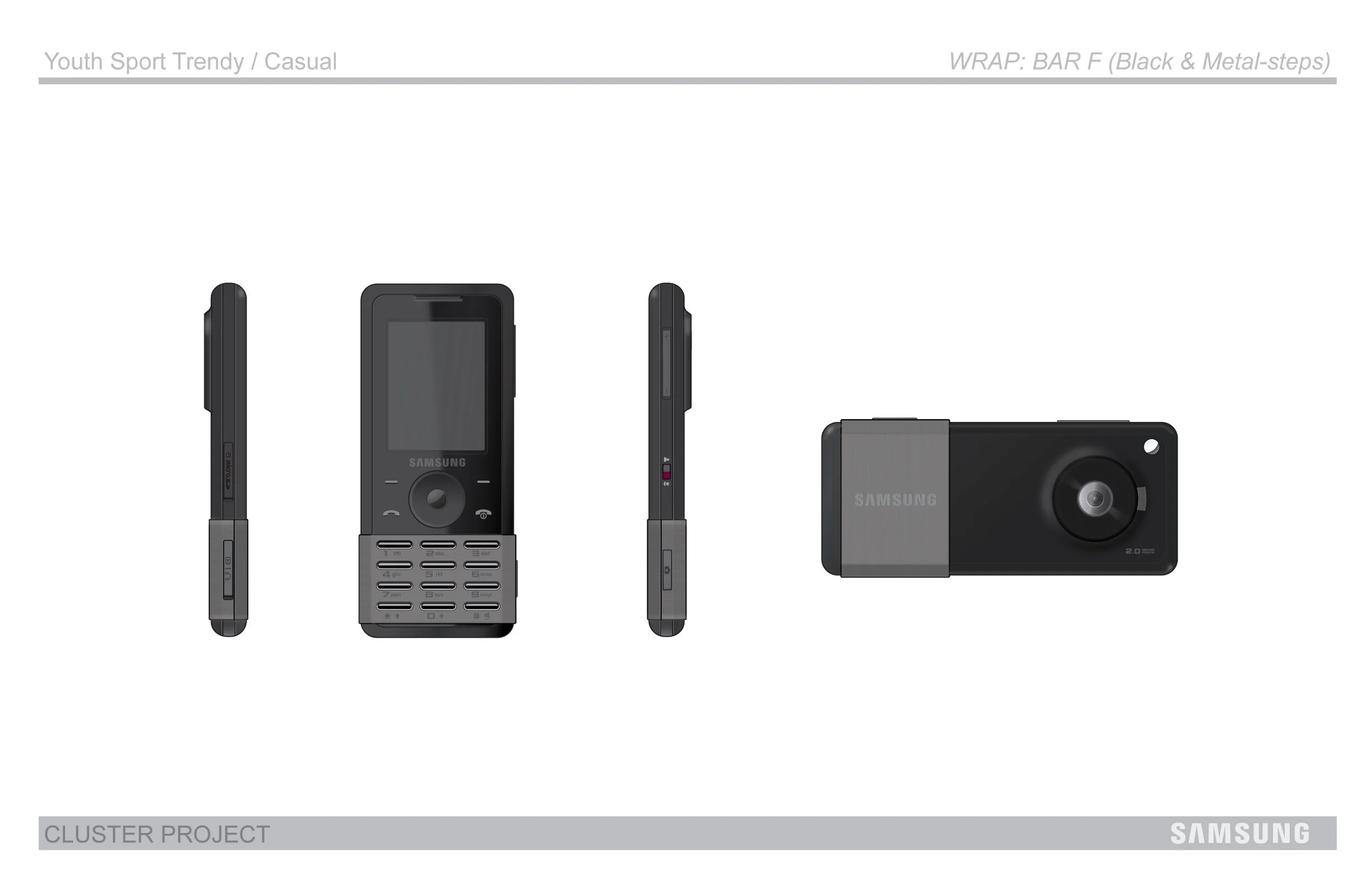
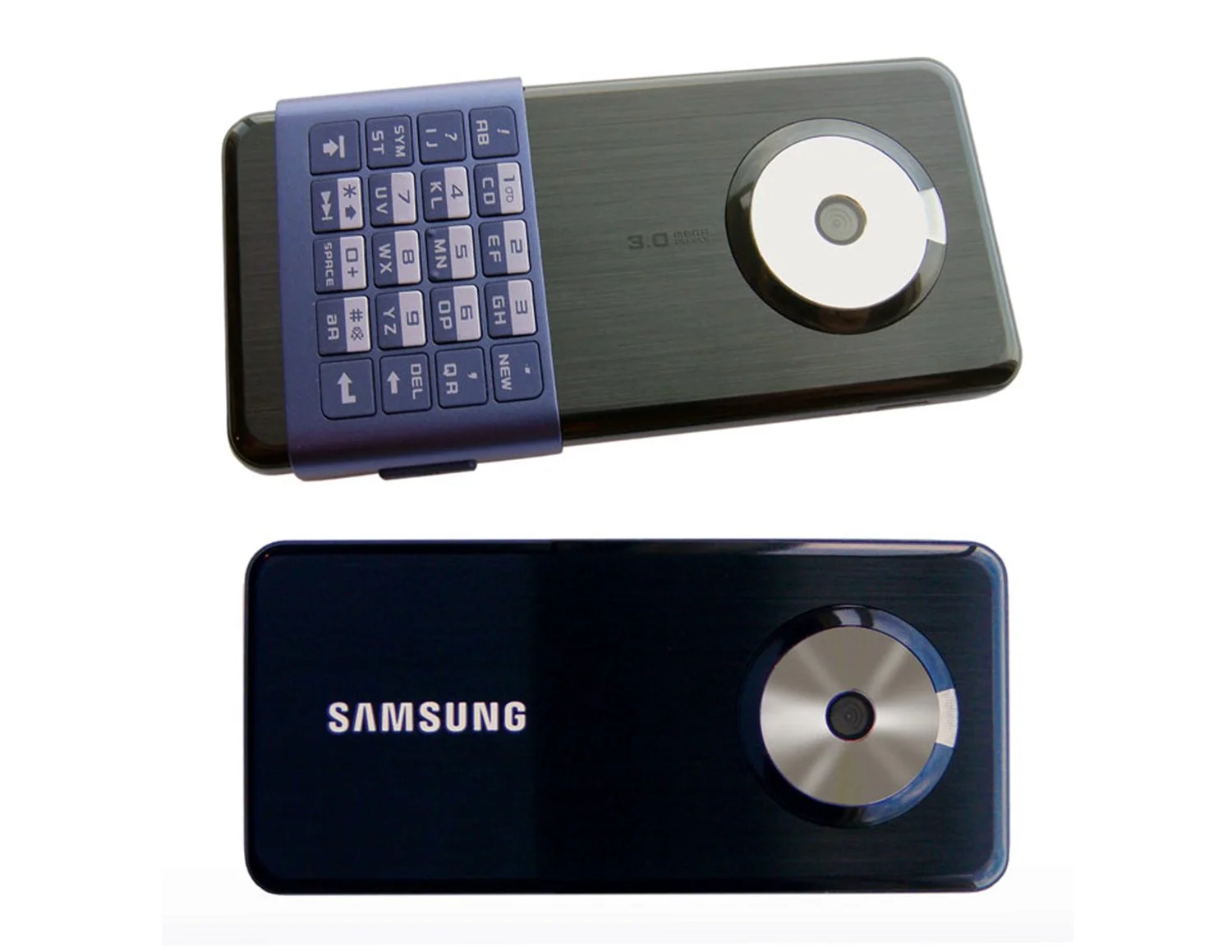
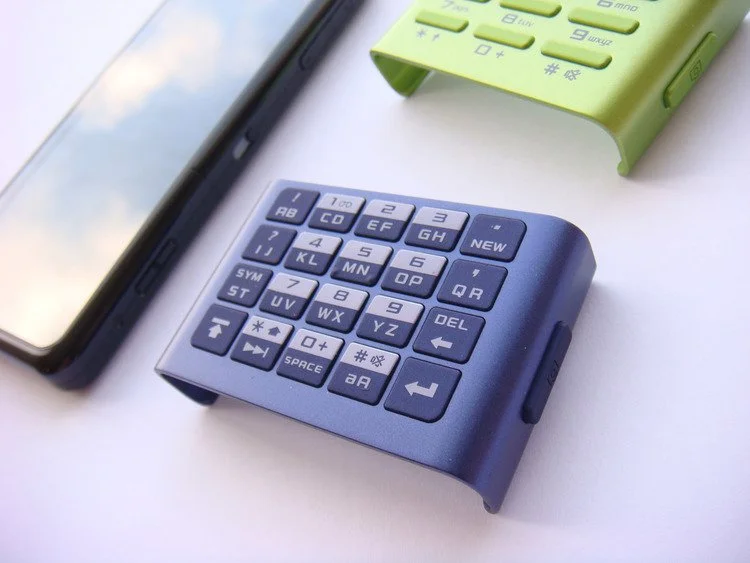
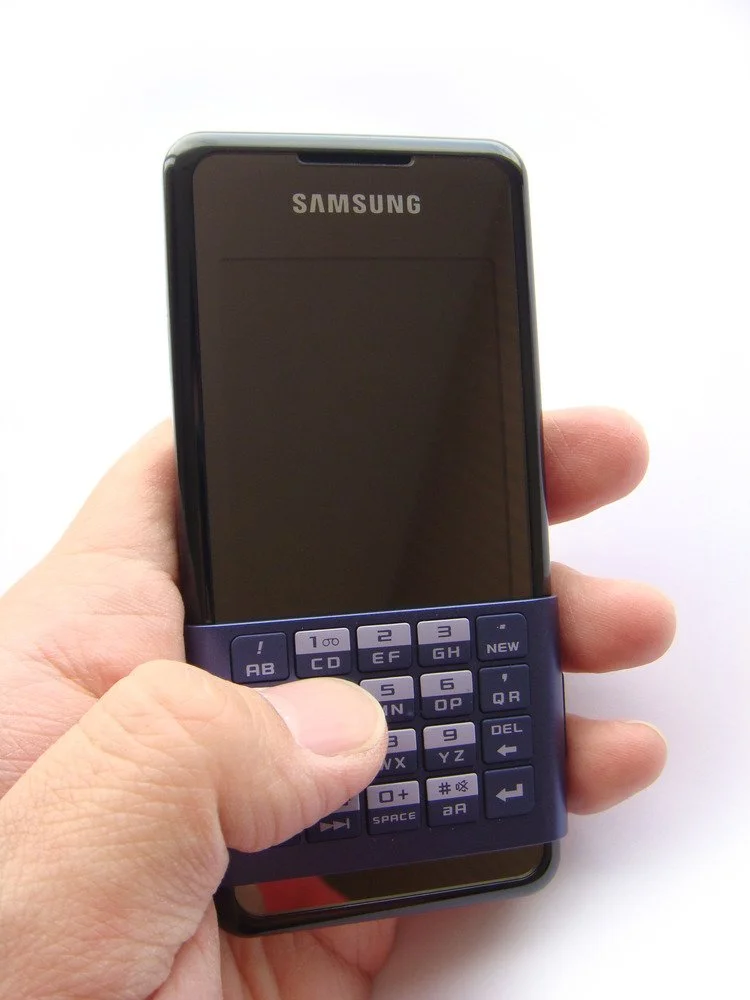
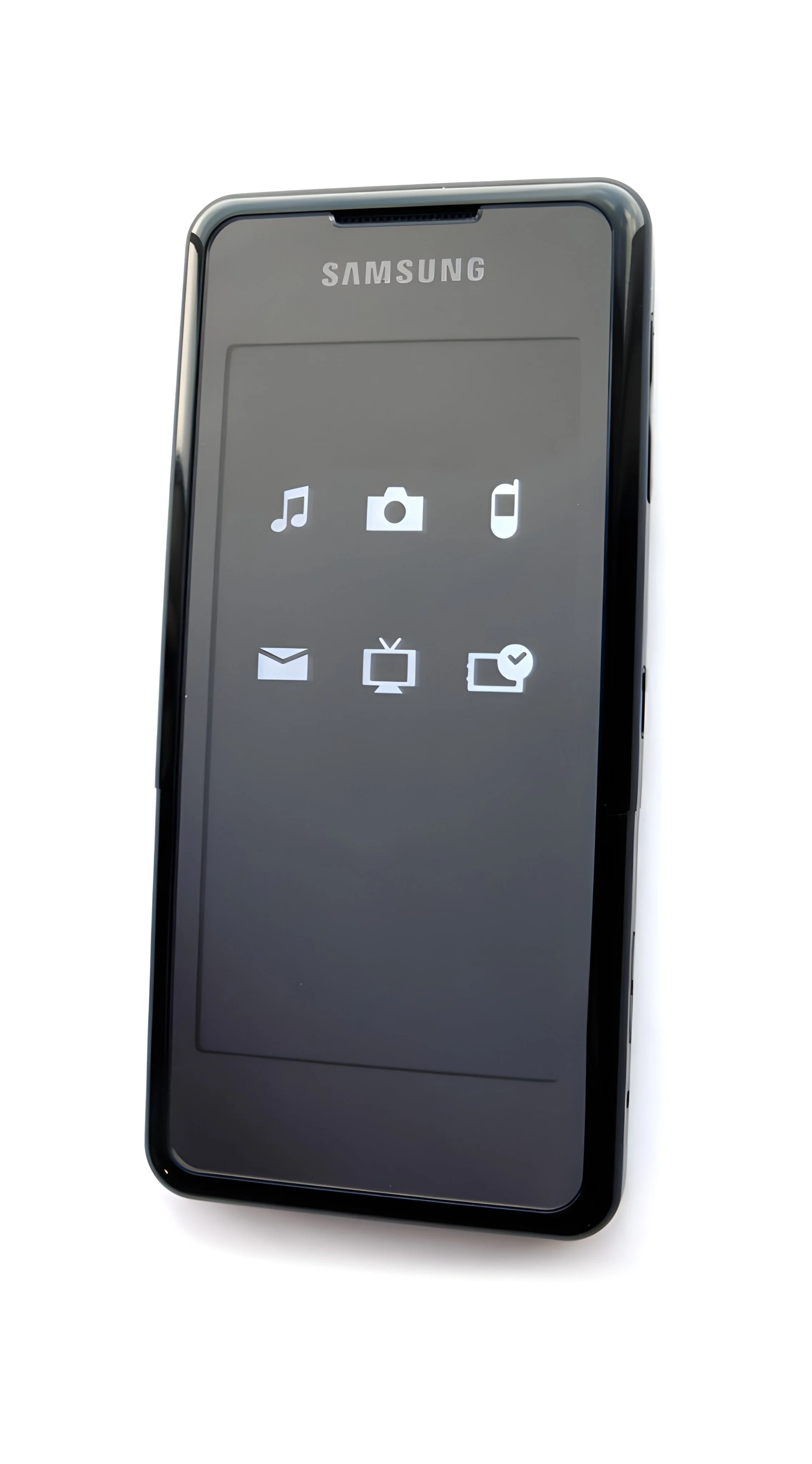
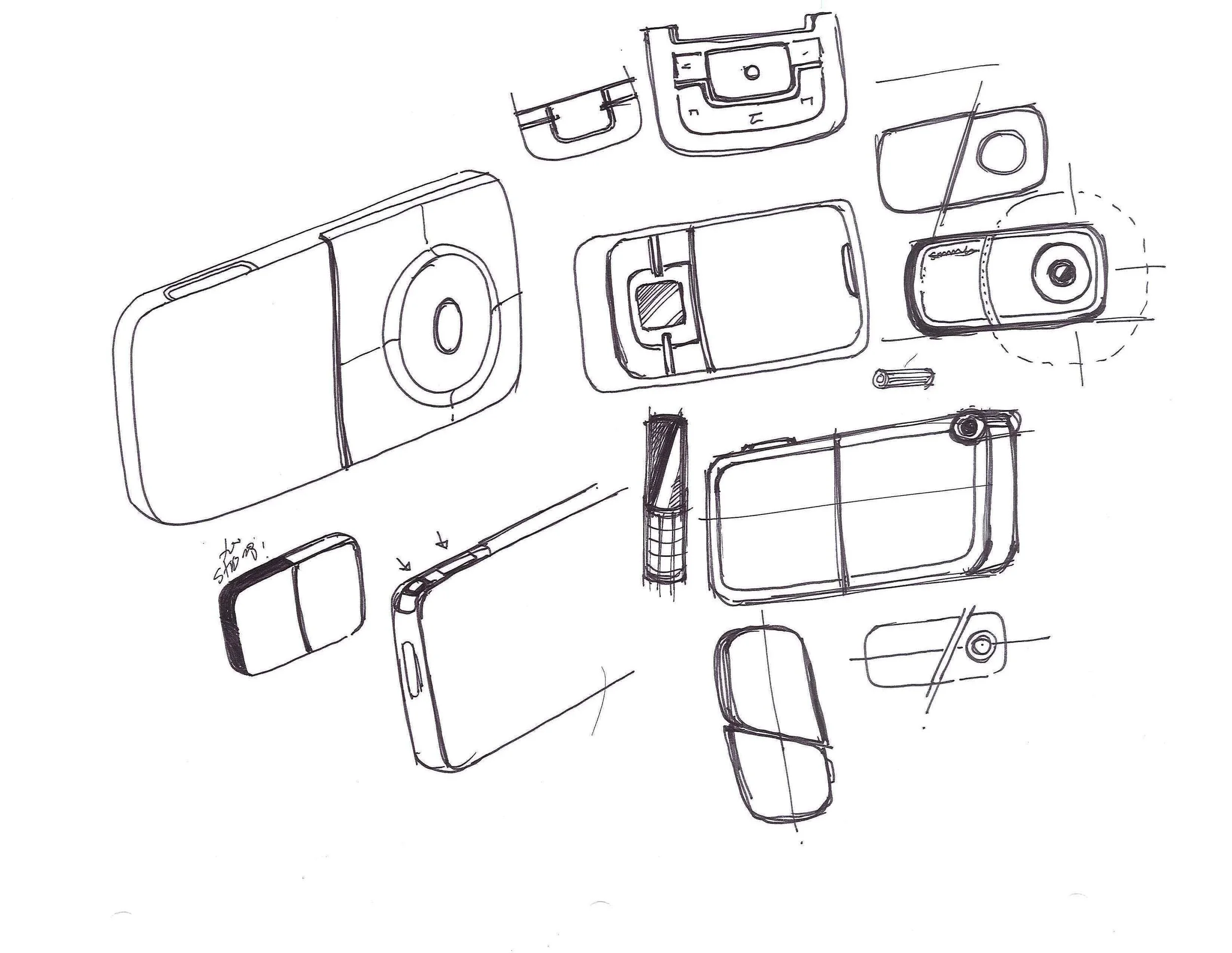
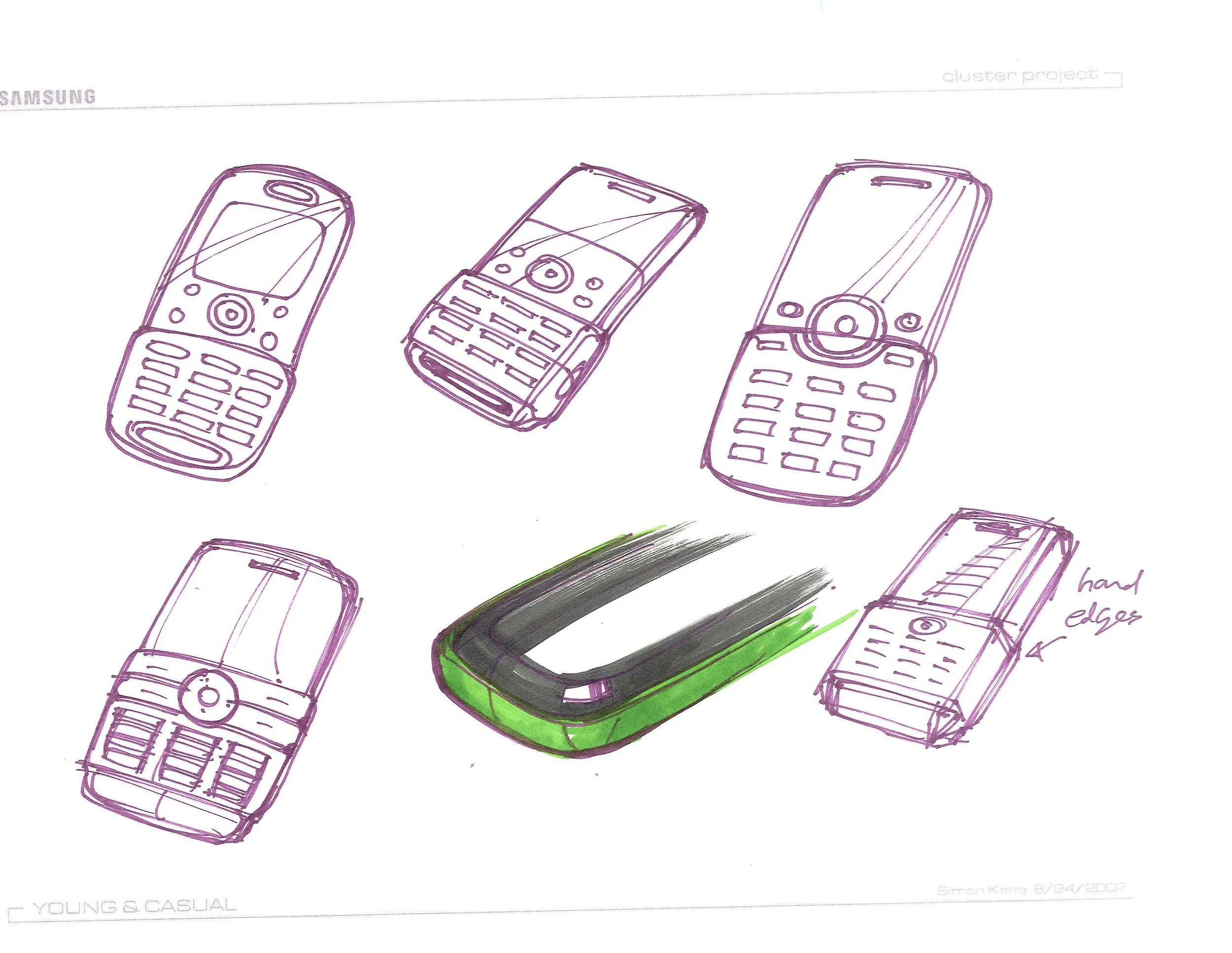
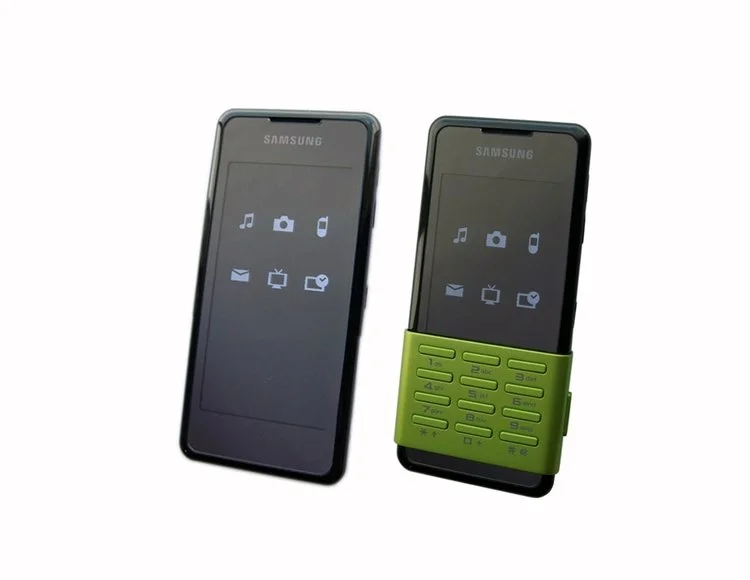
This concept explored how Samsung could enter the emerging era of touchscreens. At the time, texting was central and BlackBerry devices still defined mobile interaction. I envisioned a removable cover with physical buttons that could clip on for typing and slide to the back when not in use, allowing users to shift easily between tactile input and full-screen experiences while highlighting the growing role of the camera.
PICASSO
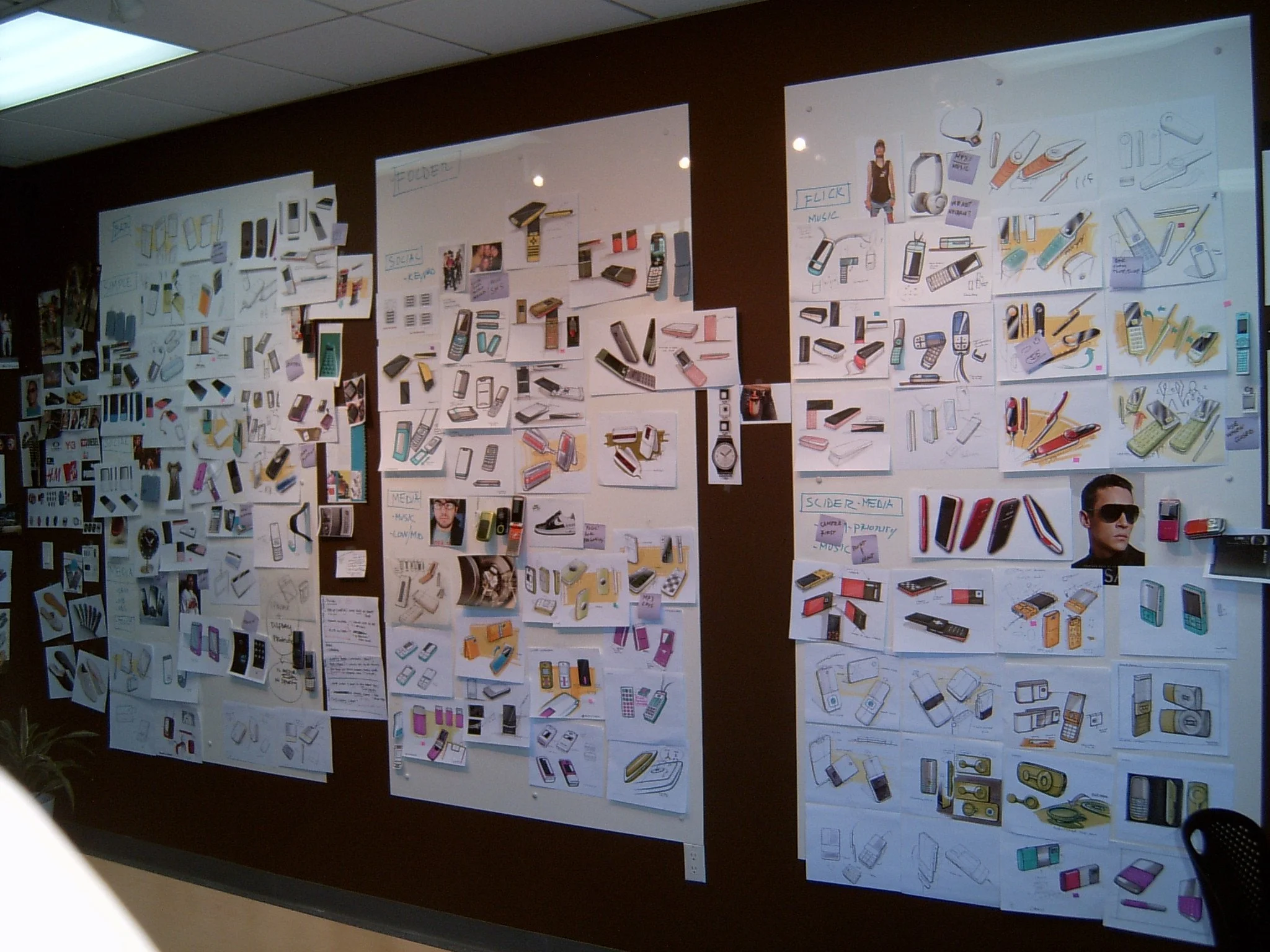
A wall covered with posters and sketches of various mobile phones, accessories, and related products, organized into sections with handwritten labels.
Drawing of hands holding mobile phones with keyboard attachments, surrounded by camera devices, suggesting a collage of mobile photography tools.
Sketch of a flip phone with collaboration notes. The phone has a green outer shell and a gray keypad. Additional views and a disassembled step are shown, with handwritten notes about the parts.
A woman with closed eyes, wearing a pink garment, red jewelry, and a red dress, is lying down with her head tilted back. The background features a patterned design in black and red.
Cubist-style painting of a person holding a guitar, with abstracted geometric shapes and muted earthy colors.
Cubist-style painting of a woman with black curly hair, wearing a blue top and a pearl necklace, against a multicolored background.

STORY BEHIND THE DESIGN (PICASSO)

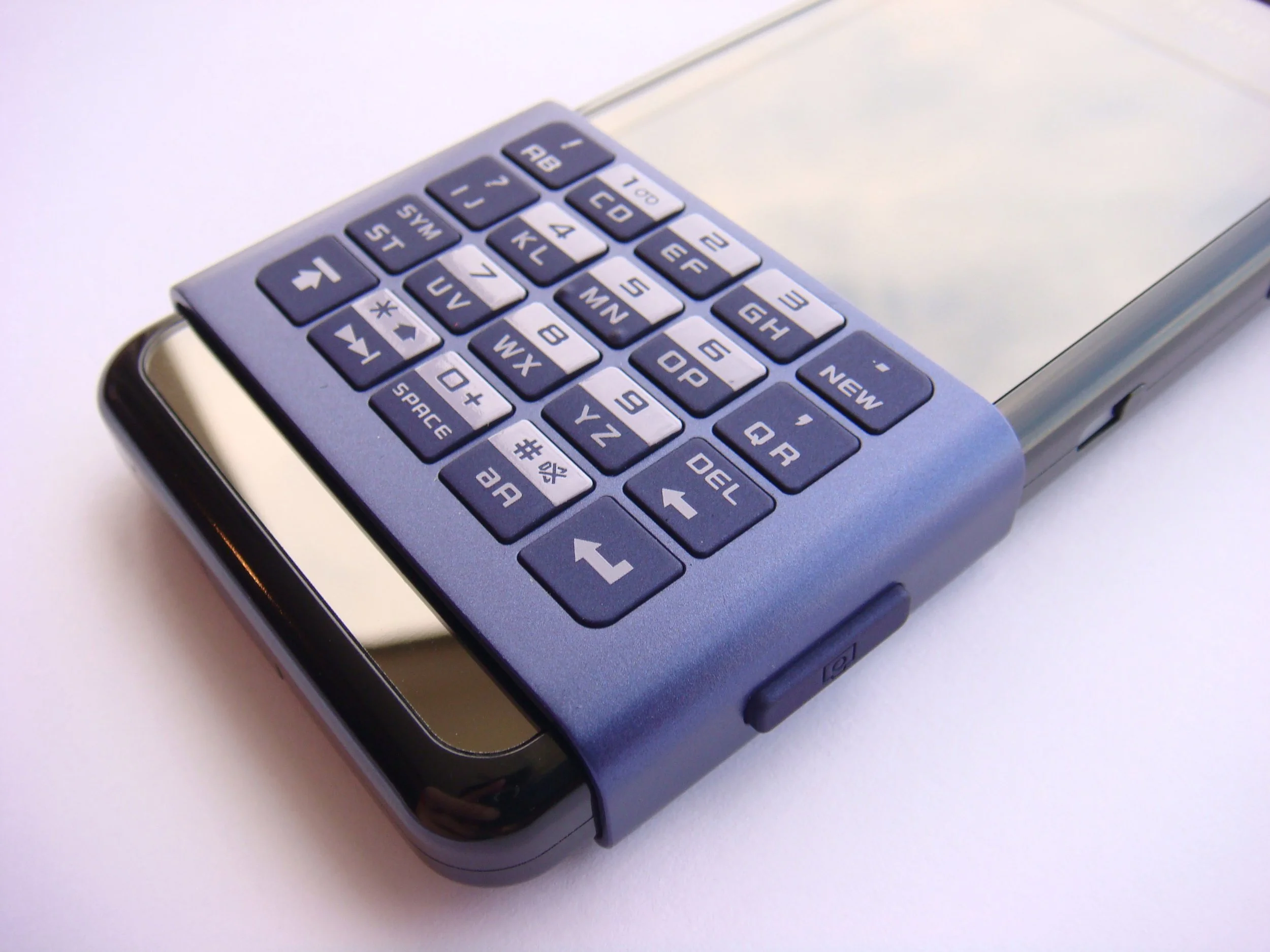
Removable covers offered tactile keys in different styles, from QWERTY layouts to numeric keypads, allowing users to swap based on preference. The idea was inspired by PICASSO’s Cubism, where faces are portrayed from multiple angles and merged into one composition. In the same way, the phone could deconstruct and reconstruct its interface, offering different perspectives of interaction within a single device.
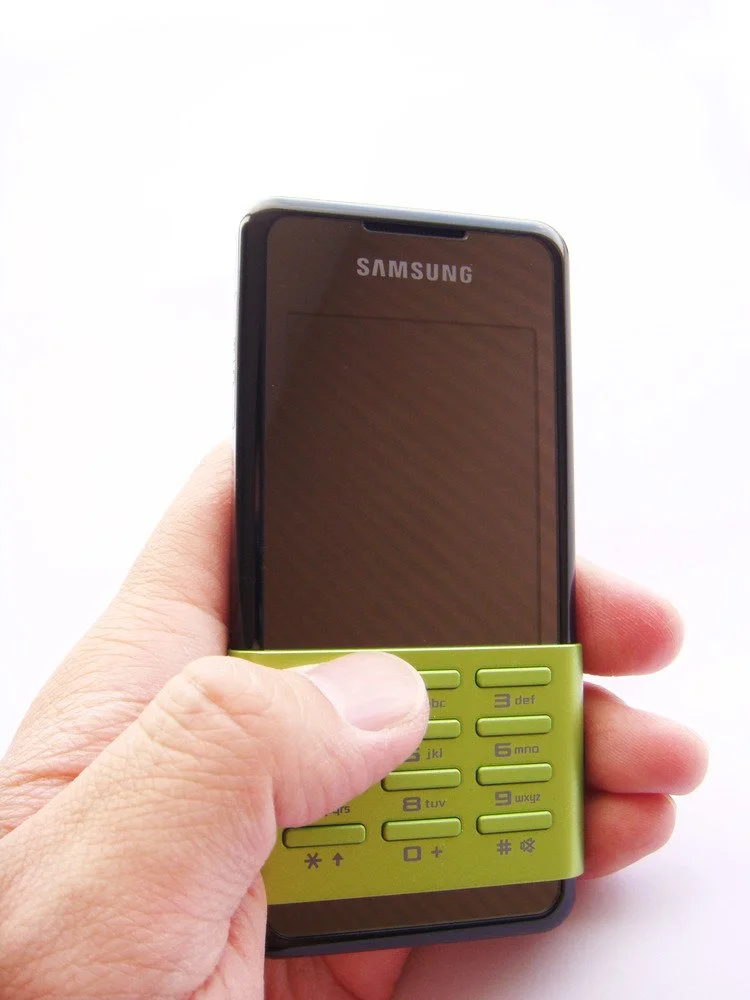
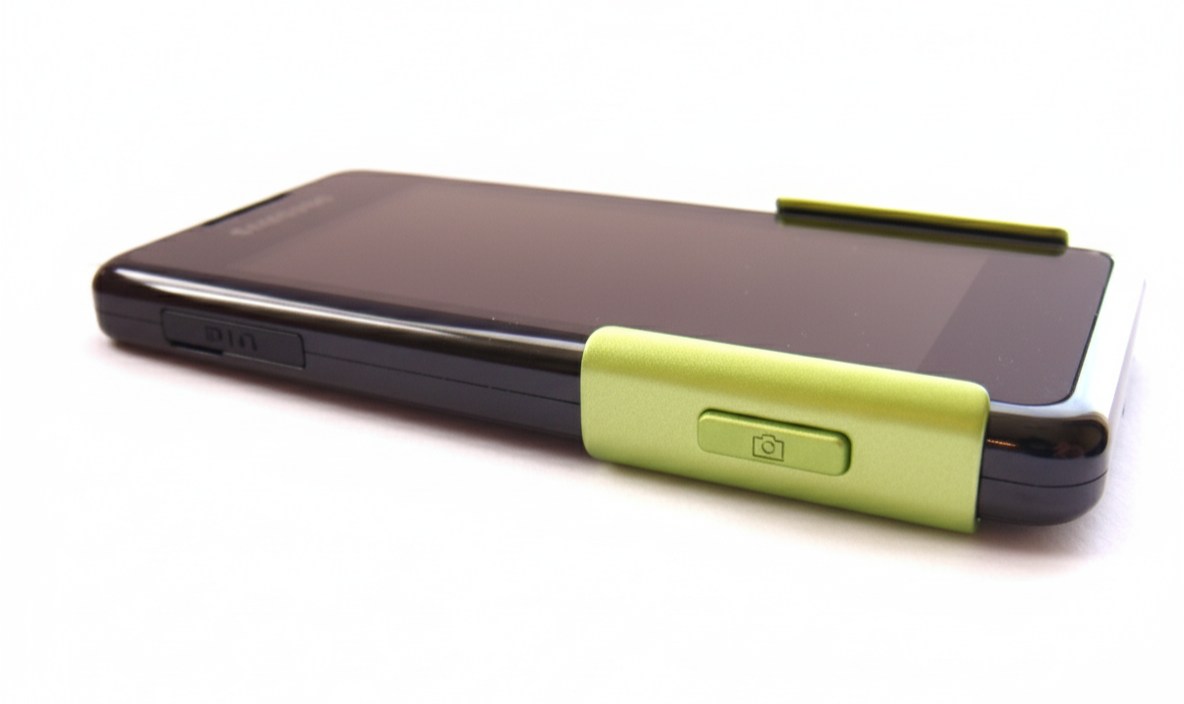
Hand holding a Samsung smartphone with a bright green keypad cover.
Two Samsung feature phones with black screens, one with a green keypad, displaying icons for music, camera, and messages.
Close-up of a mobile phone with a blue keyboard cover and a black bottom edge on a white surface
Two Samsung smartphones with circular camera lenses on back, one facing front with a blue slide-out keypad.
Portable blue keyboard with numbers and letters, a smartphone with a black case, and a green calculator on a white surface.
A hand holding a Samsung feature phone with a small screen and physical keypad.
Samsung flip phone with touchscreen displaying icons for music, camera, phone, email, TV, and messenger on a white background.
A mobile phone with a green and black stylus attached to its side.

FROM CONCEP TO REALITY

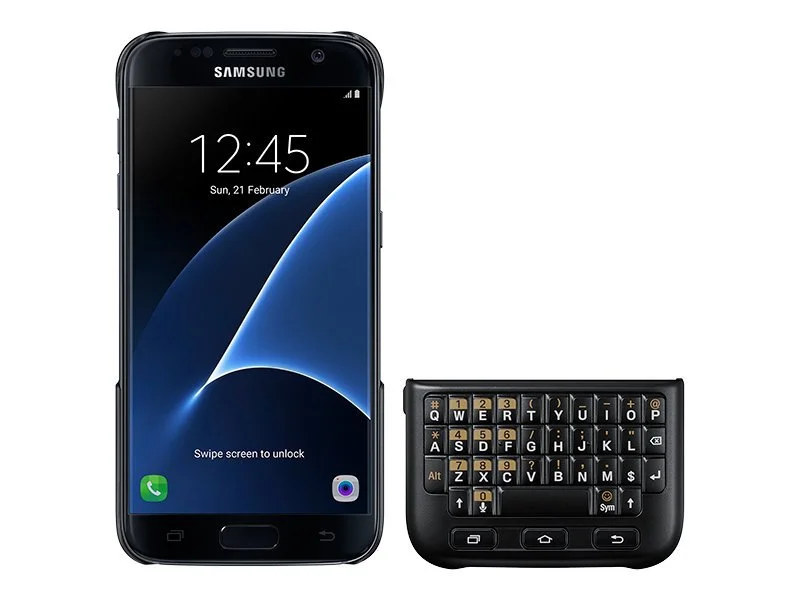
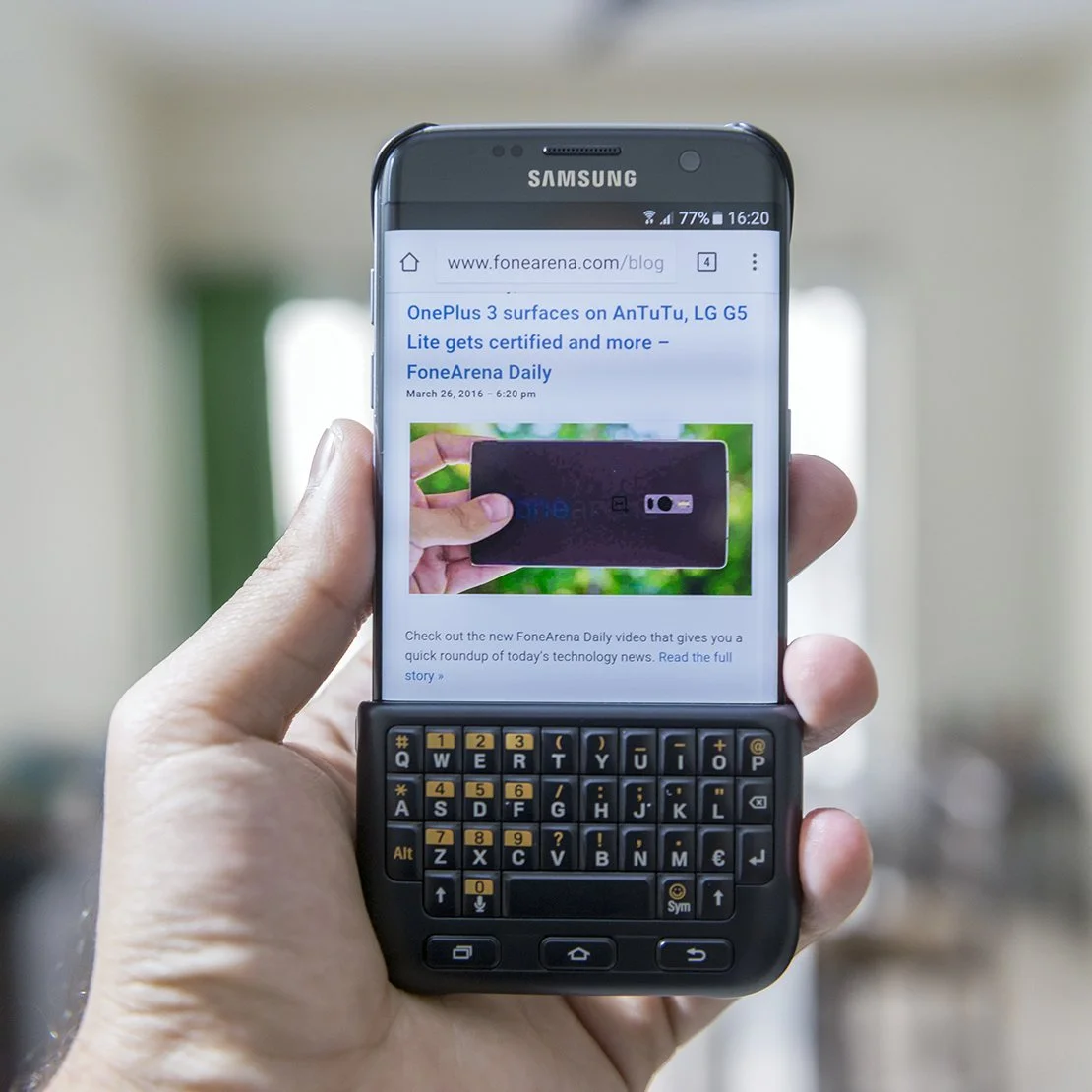
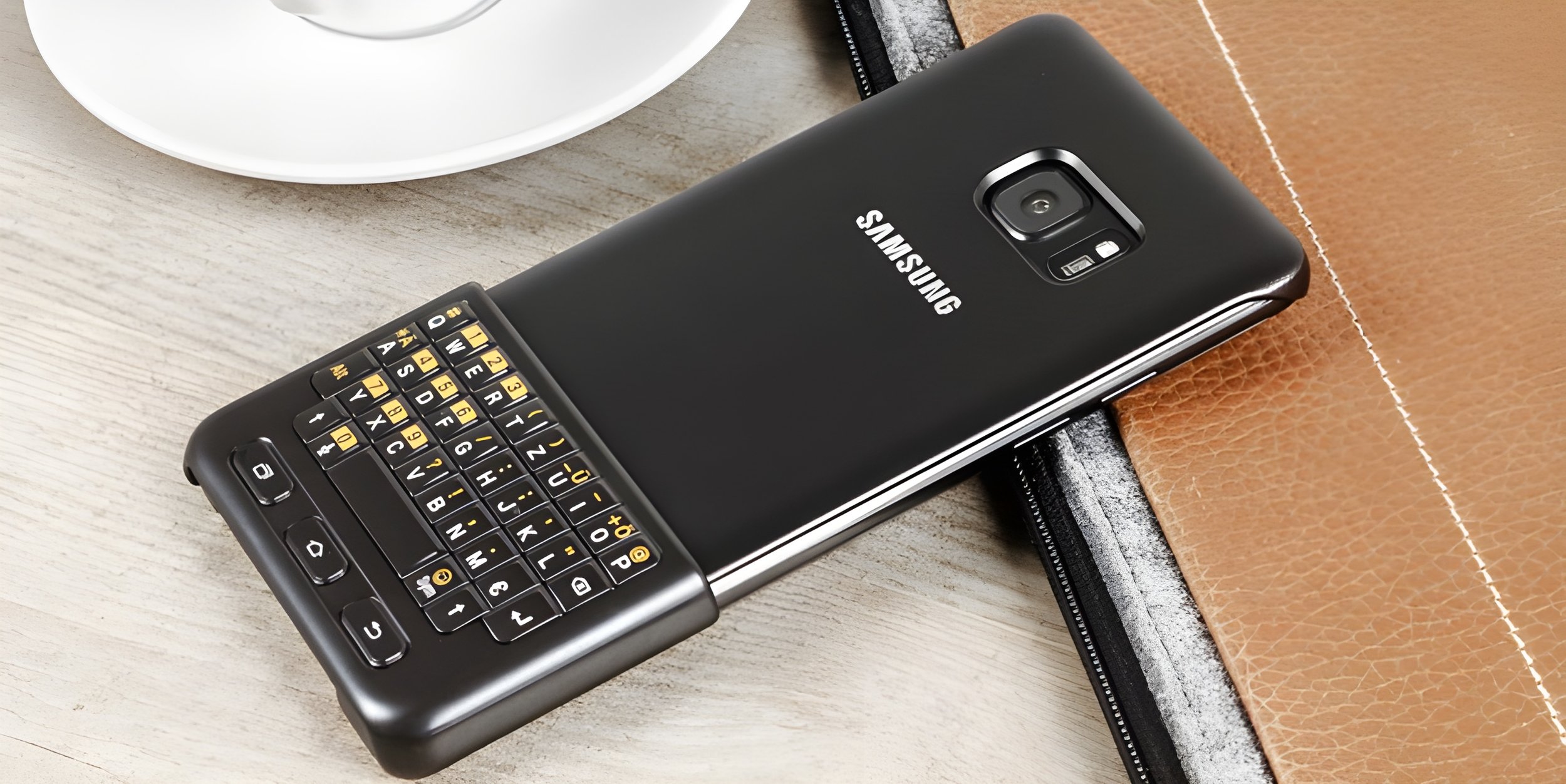
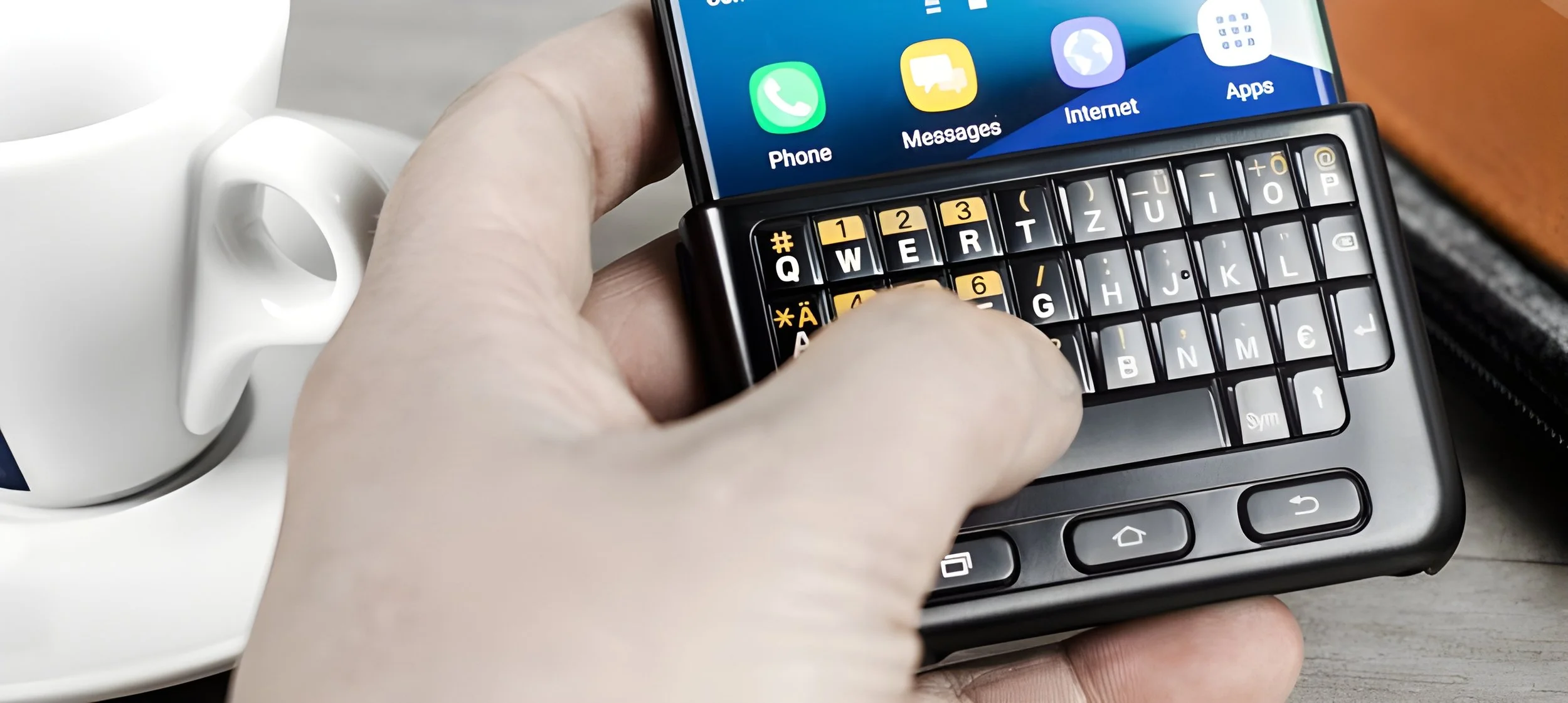
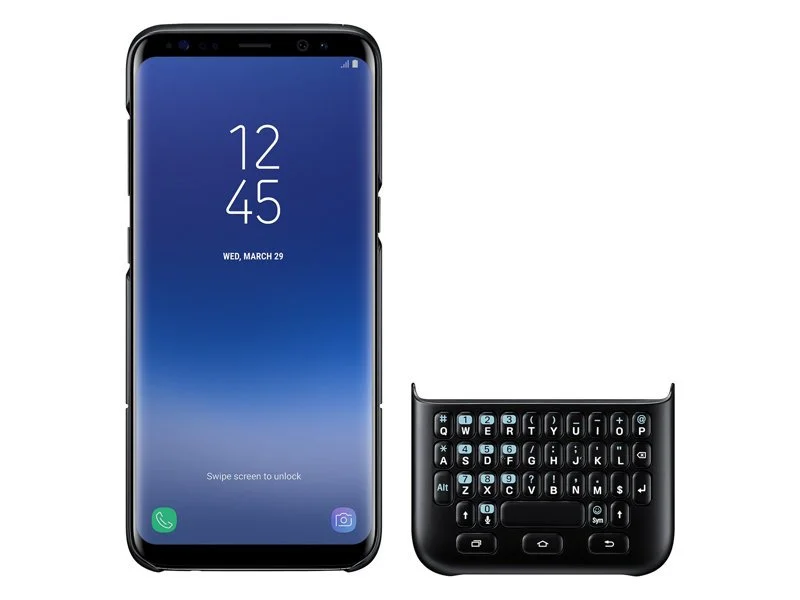
This concept anticipated a feature later realized by Samsung, which introduced its first smartphone keyboard covers in 2015, eight years after the touchscreen era began in 2007.
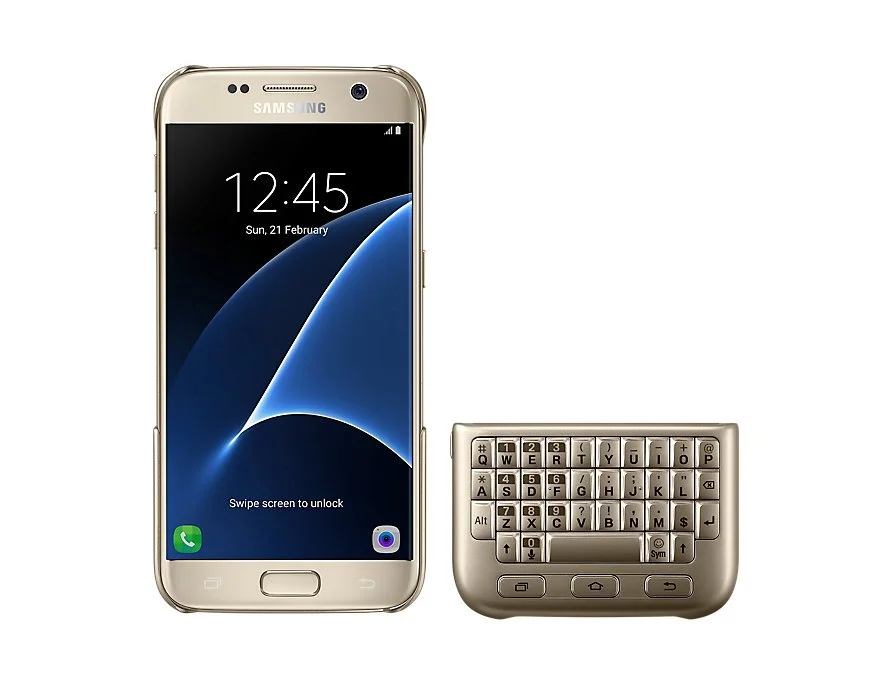
A Samsung smartphone with a touchscreen, displaying the time 12:45 and a date of Sunday, February 21, along with a small green phone icon and a camera icon at the bottom. Next to it is a compact, gold-colored keyboard with small raised keys and a trackball, featuring various alphabetic keys, special characters, and navigation buttons.
Smartphone with a digital clock display and a physical QWERTY keyboard auxiliary device.
A Samsung smartphone next to a compact black projection keyboard.
A person holding an older model Samsung smartphone with a physical QWERTY keyboard, displaying a webpage about OnePlus 3 smartphones.
A black Samsung smartphone with a physical keyboard placed on a light wooden surface. Part of a white plate, a black book or journal, and a brown textured item are visible nearby.
A person using a small mobile phone with a physical QWERTY keyboard and a smartphone screen displaying app icons. The phone is held over a wooden surface with a white earbud and a gray zippered item nearby.
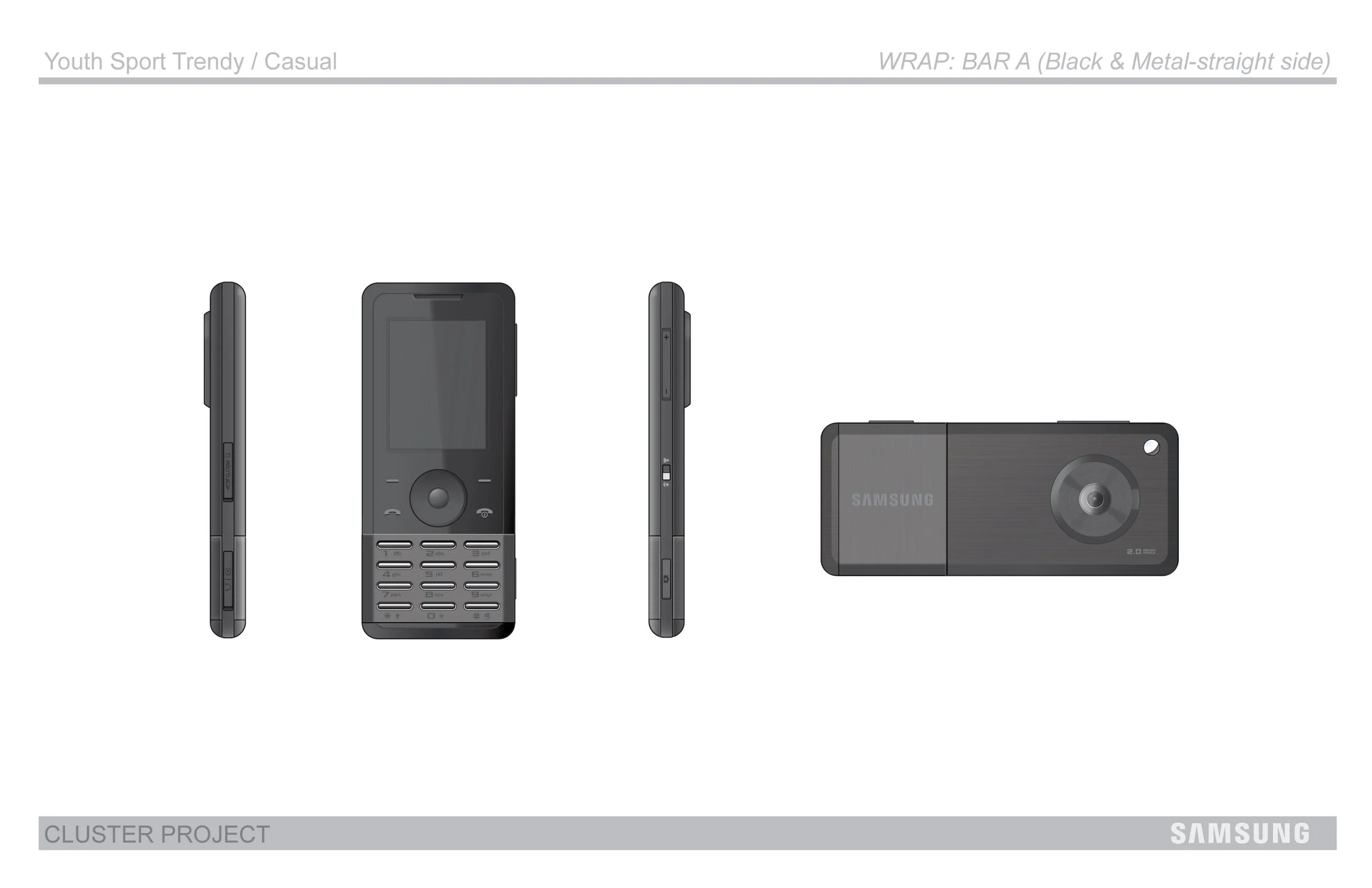
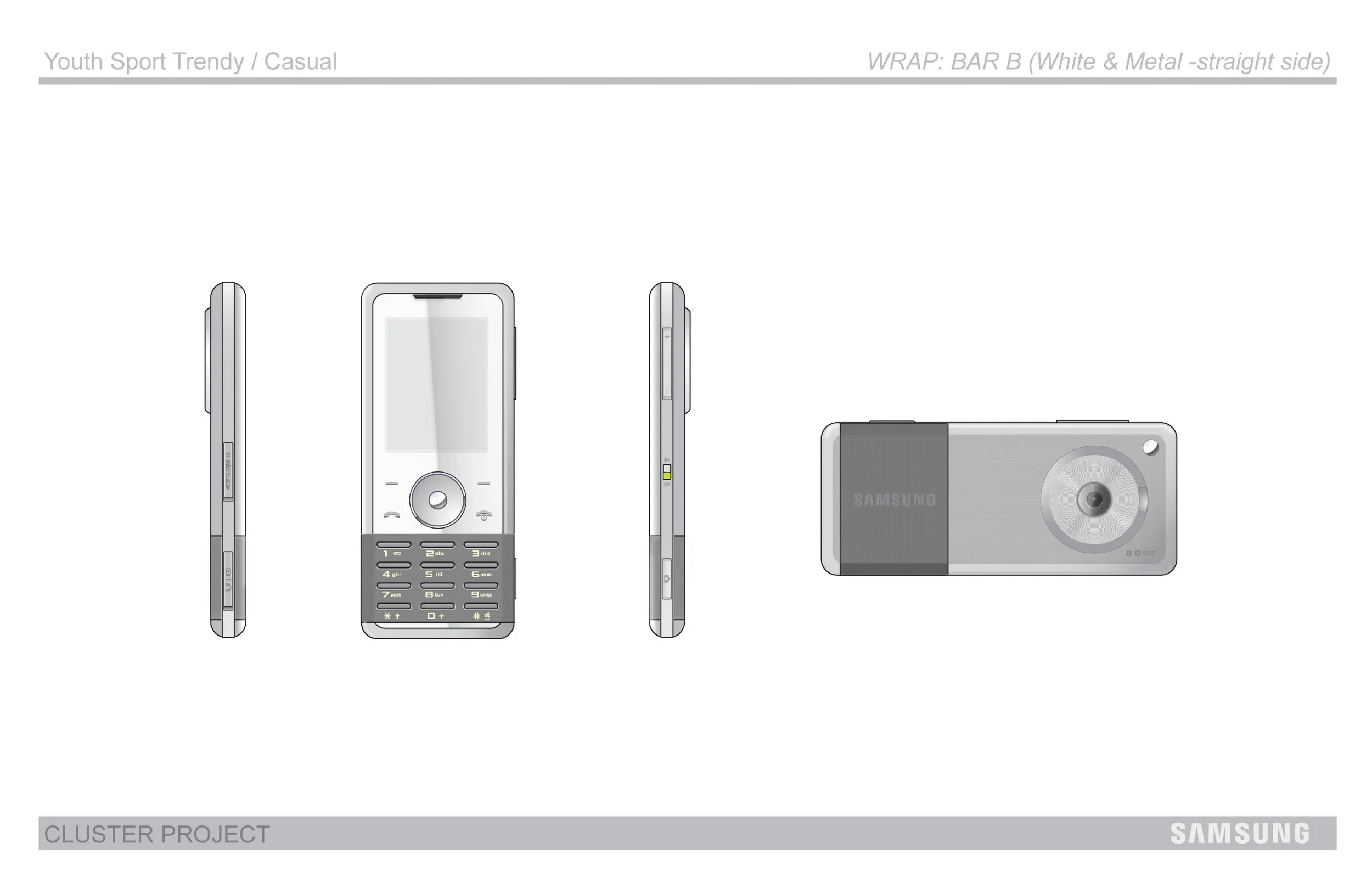
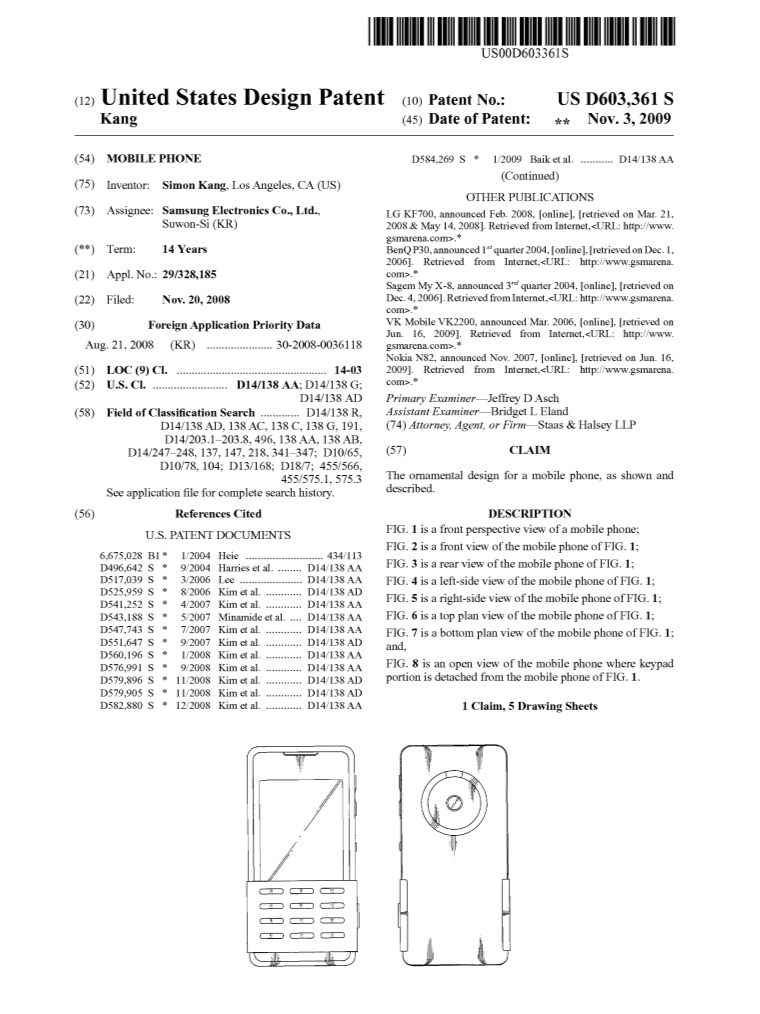
Drawing of a cellphone with front and back views.
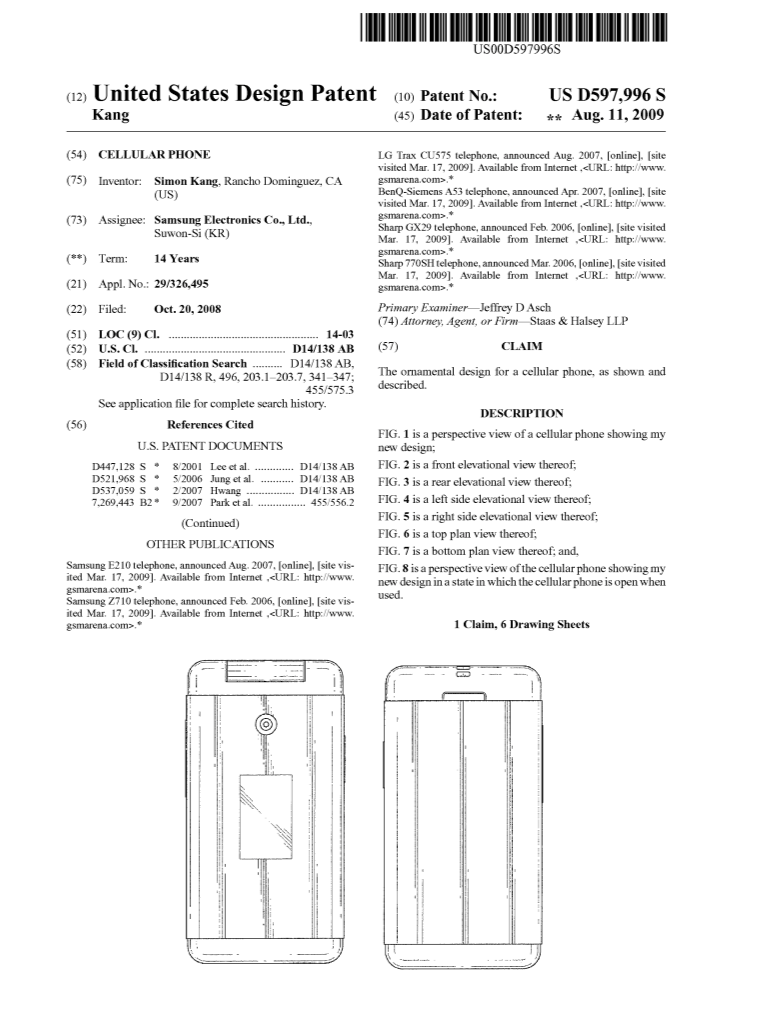
Patent diagram of a mobile phone showing front and back views with keypad and camera.